Insights
Industry insights, integration guides, and product updates from the CXTMS team.

Freight Capacity Is Tightening Before Demand Has Fully Recovered
Truckload capacity is tightening before freight demand fully rebounds, forcing shippers and forwarders to manage spot-rate risk earlier than expected.
 CXTMS InsightsJune 6, 20266 min read
The Freight Recession’s Maintenance Hangover Is Becoming a Capacity Risk
Deferred fleet maintenance from the long freight recession is turning into a shipper risk as utilization recovers and truckload capacity tightens.
CXTMS InsightsJune 6, 2026 · 7 min read
Multi-Carrier Parcel Networks Are Becoming the New E-Commerce Default
E-commerce shippers are moving from single-carrier parcel strategies to blended networks as accessorials, regional carriers, and last-mile complexity reshape delivery economics.
CXTMS InsightsJune 6, 2026 · 7 min read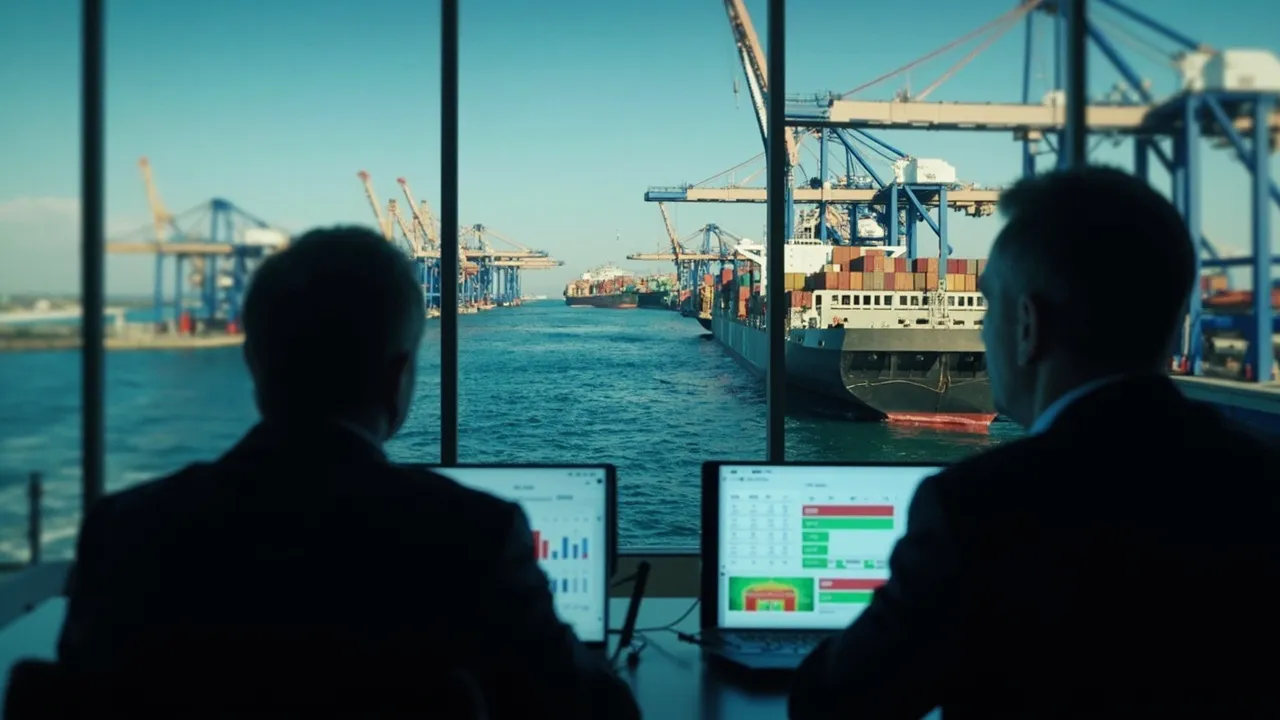
Ocean Peak-Season Surcharges Are Returning Before Demand Looks Strong
Ocean carriers are bringing back peak-season surcharges even as import demand remains uneven, creating budgeting and margin risk for freight forwarders.
CXTMS InsightsJune 6, 2026 · 7 min read
Perishable Inventory Visibility Is the Next Food Logistics Cost Lever
Perishable inventory visibility is becoming a practical cost lever for food logistics teams managing shelf life, reefer capacity, replenishment, and recalls.
CXTMS InsightsJune 6, 2026 · 7 min read
Rare Earth Export Controls Are Becoming a Logistics Planning Problem
Rare earth export controls are turning small components into major freight-planning risks for automotive, aerospace, electronics, and industrial supply chains.
CXTMS InsightsJune 6, 2026 · 7 min read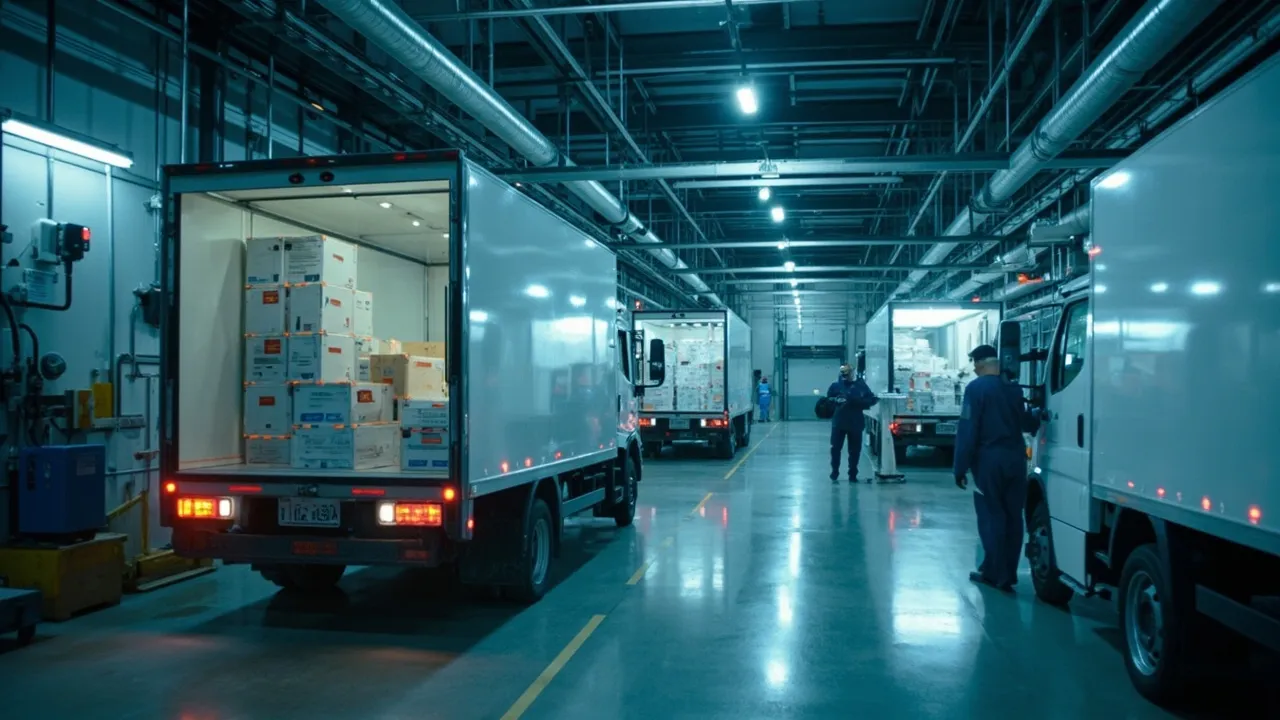
UPS Healthcare Logistics Is Becoming an Acquisition Strategy, Not Just a Parcel Service
UPS is using healthcare logistics acquisitions to build specialized cold chain, compliance, and last-mile capabilities that freight forwarders should study closely.
CXTMS InsightsJune 6, 2026 · 6 min read
AI May Commoditize Logistics Software Interfaces Faster Than Shippers Expect
As AI makes logistics software screens easier to copy, the durable advantage shifts to data quality, workflow execution, integrations, and exception control.
CXTMS InsightsJune 5, 2026 · 6 min read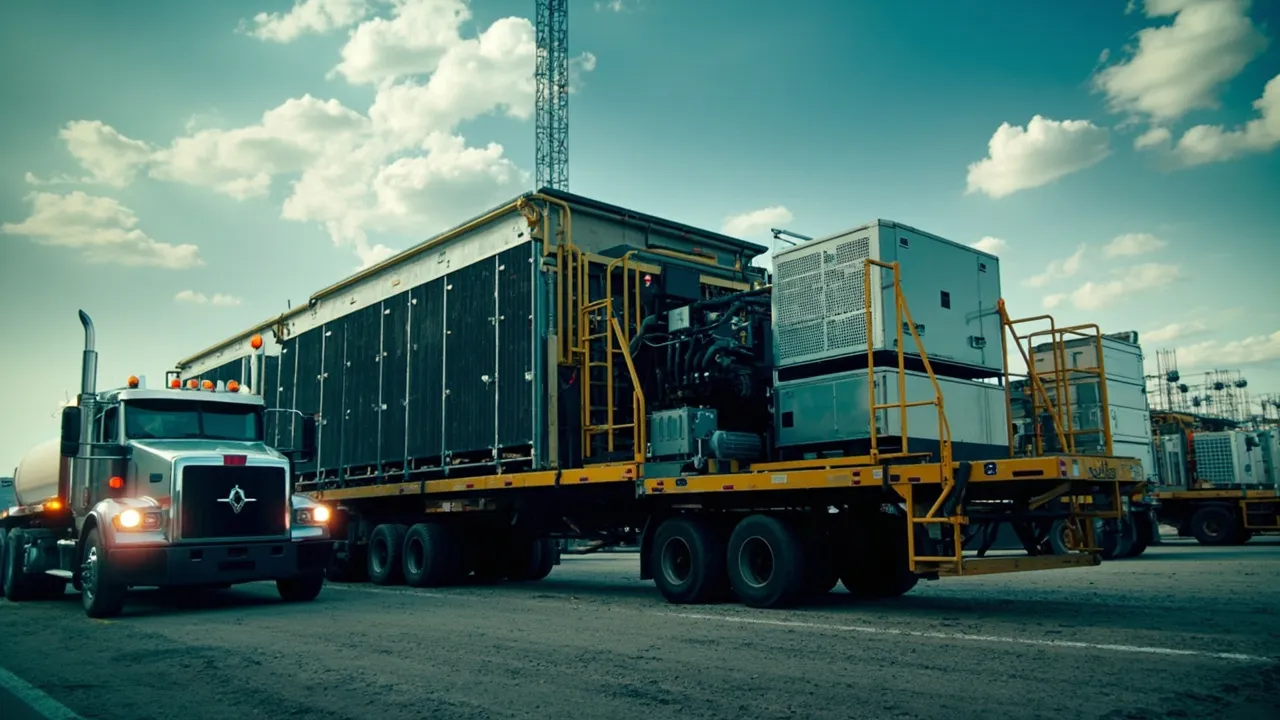
Data Center Construction Is Turning Flatbed Freight Into a Strategic Capacity Market
AI data center construction is creating a new flatbed freight demand pocket, forcing shippers to manage heavy-haul capacity, permits, milestones, and exception visibility like strategic infrastructure work.
CXTMS InsightsJune 5, 2026 · 6 min read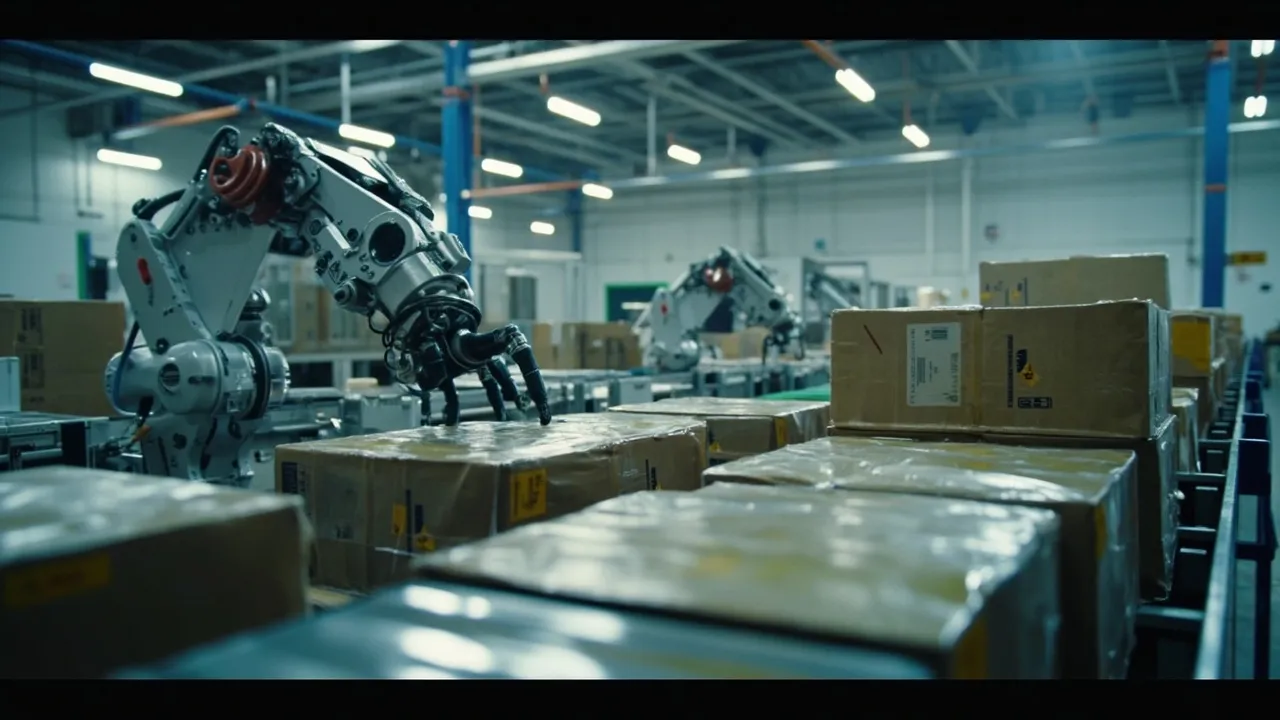
EXPO PACK México 2026 Shows Latin America’s Logistics Automation Moment Is Getting Real
EXPO PACK México 2026 highlights a practical shift toward packaging automation, robotics, AI, and smarter logistics execution across Latin American manufacturing and export supply chains.
CXTMS InsightsJune 5, 2026 · 7 min read