automation
52 posts tagged with “automation”

Emerging Trends in Logistics Technology: A 2026 Retrospective
2026 marked the year logistics technology moved from pilot programs to operating infrastructure. This retrospective covers the AI, automation, visibility, compliance, and resilience trends that reshaped freight, warehousing, and supply chain execution.
 CXTMS InsightsDecember 31, 2026 · 231 min read
Agentic AI Readiness Starts With Operating Discipline, Not Another Dashboard
Agentic AI can automate freight execution, but logistics teams need clean workflows, decision rights, and auditability before they hand exceptions to autonomous agents.
CXTMS InsightsJune 6, 2026 · 7 min read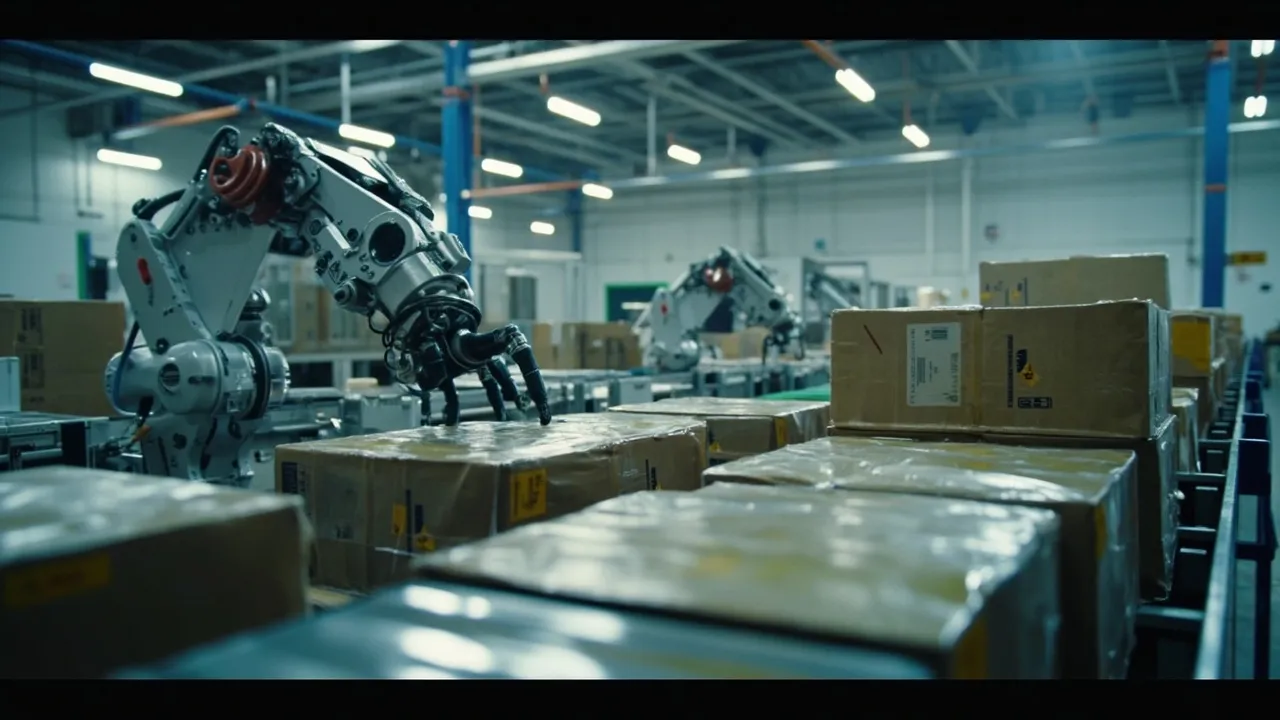
EXPO PACK México 2026 Shows Latin America’s Logistics Automation Moment Is Getting Real
EXPO PACK México 2026 highlights a practical shift toward packaging automation, robotics, AI, and smarter logistics execution across Latin American manufacturing and export supply chains.
CXTMS InsightsJune 5, 2026 · 7 min read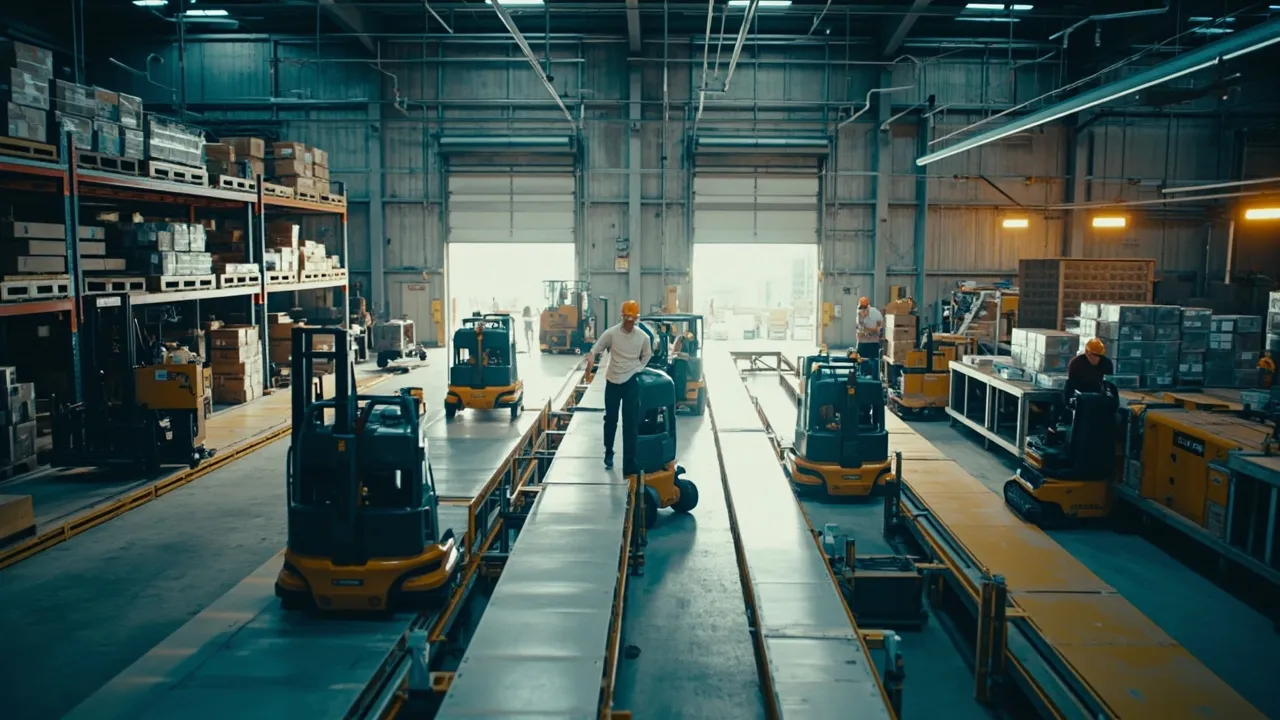
Brownfield Warehouse Modernization Is Beating Big-Bang Automation in 2026
Brownfield warehouse modernization is gaining ground as logistics teams use orchestration, WMS fixes, and targeted robotics to unlock capacity without full network resets.
CXTMS InsightsJune 4, 2026 · 7 min read
Automation Does Not Make Supply Chains Fragile. Bad Integration Does.
Supply chain automation only improves resilience when alerts, escalation paths, ownership, and freight execution workflows are integrated.
CXTMS InsightsJune 4, 2026 · 7 min read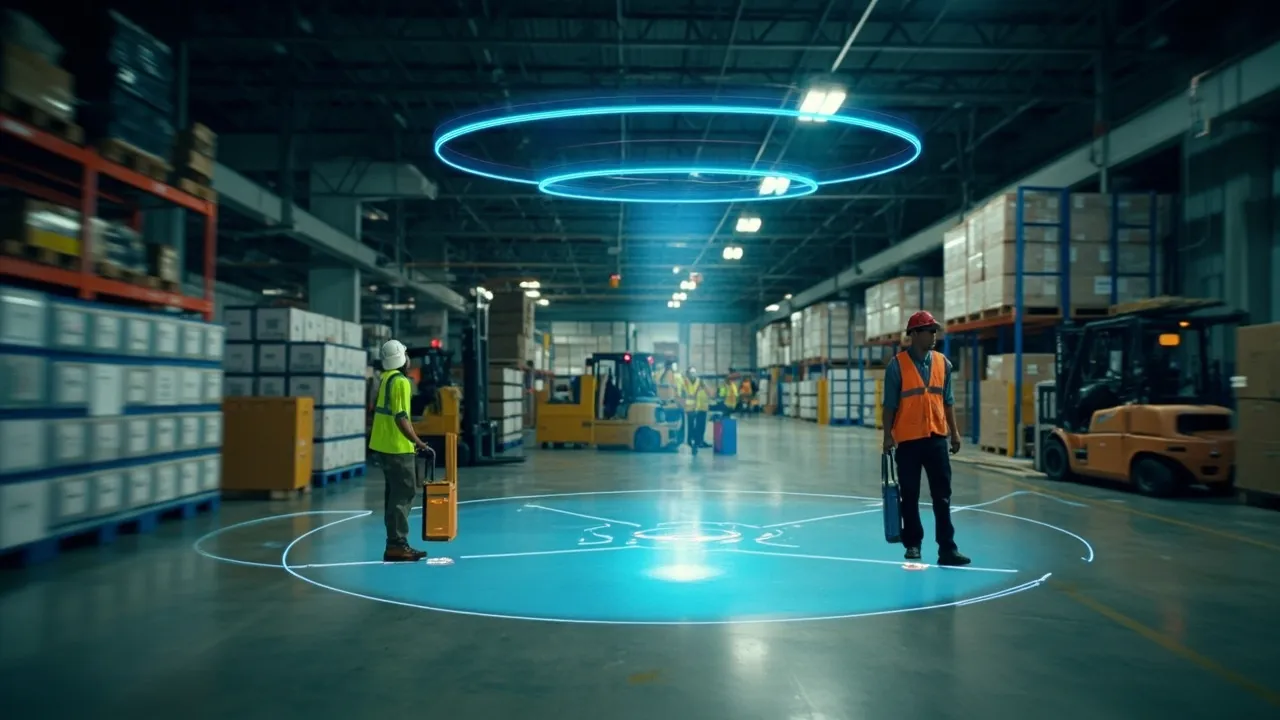
Warehouse Pedestrian Safety Is Becoming a Data Problem, Not Just a Training Problem
Forklift-pedestrian risk is moving from training binders into sensors, telematics, AI detection, and safety dashboards that operations teams can actually use.
CXTMS InsightsMay 27, 2026 · 6 min read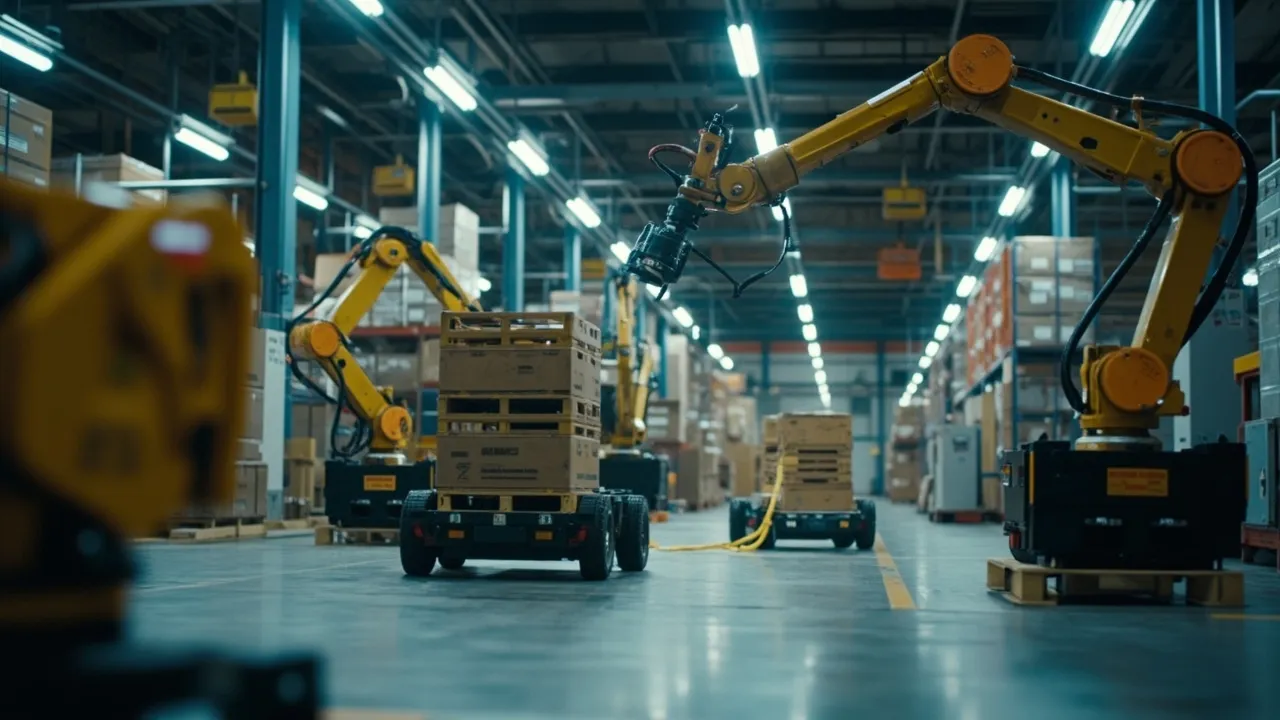
Comau and Omron Point to the Next Automation Requirement: Flexible Intralogistics, Not Fixed Lines
The Comau-Omron robotics collaboration shows why manufacturers and warehouses are prioritizing flexible intralogistics automation over fixed-line projects.
CXTMS InsightsMay 26, 2026 · 6 min read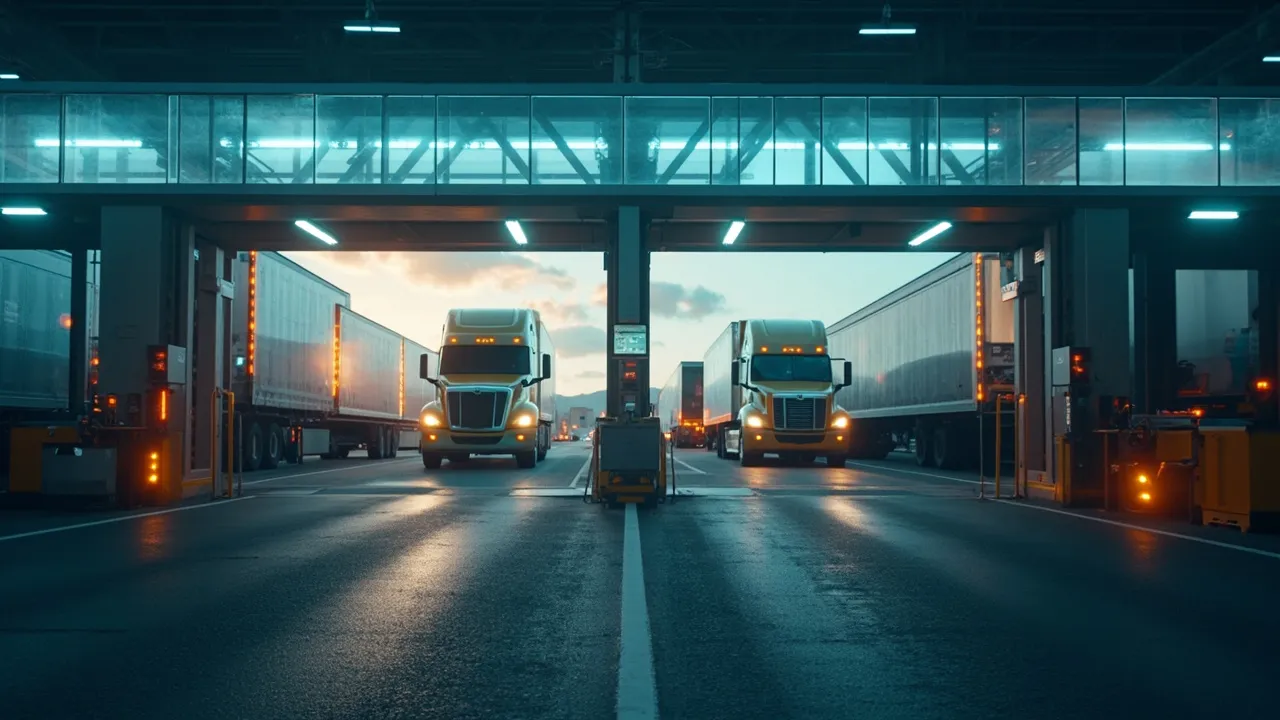
Outpost’s 3 Million Gate Events Show Yard Automation Is Moving From Nice-to-Have to Infrastructure
Outpost’s second-generation gate automation platform shows why automated gates are becoming core logistics infrastructure for dwell, detention, trailer visibility, and yard security.
CXTMS InsightsMay 17, 2026 · 7 min read
P&G’s Supply Chain 3.0 Rollout Shows Why Integration Beats Automation Theater
P&G’s Supply Chain 3.0 rollout shows why logistics teams should prioritize integrated planning, procurement, inventory, and transportation workflows before adding more automation.
CXTMS InsightsMay 12, 2026 · 6 min read
Supply Chain Technology’s Next Phase Is Orchestration, Not More Point Automation
Supply chain technology is moving past disconnected automation pilots toward orchestration systems that turn events, rules, and exceptions into coordinated execution.
CXTMS InsightsMay 12, 2026 · 6 min read