Insights
Industry insights, integration guides, and product updates from the CXTMS team.

Freight Infrastructure Funding Is Becoming a Grant-Readiness Problem for Supply Chains
Federal freight policy is putting ports, hubs, and industrial corridors back in the funding conversation. Supply chains that can prove delay, volume, safety, and resilience impacts will be better positioned.
 CXTMS InsightsJune 7, 20267 min read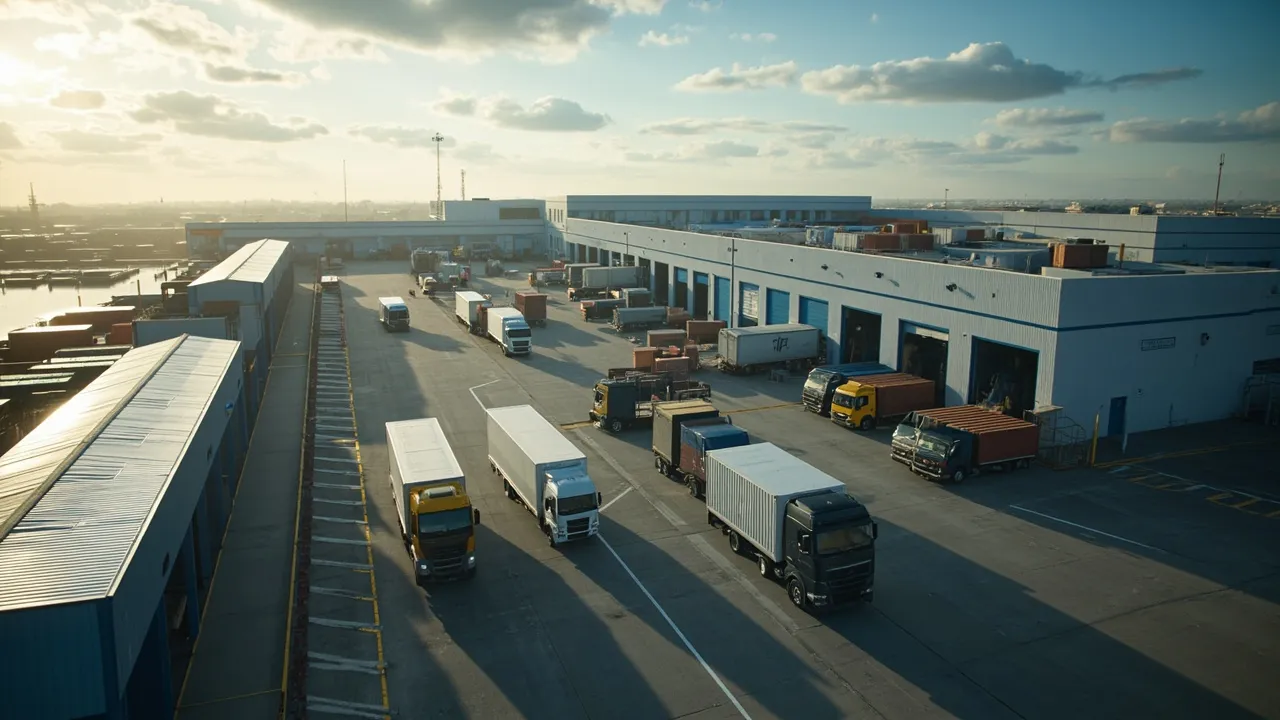
Logistics Firms Are Expanding Facilities Before the Freight Recovery Fully Arrives
Logistics facility expansion is accelerating before the freight recovery feels complete, giving shippers early clues about future capacity, congestion, and specialized service options.
CXTMS InsightsJune 7, 2026 · 7 min read
The Logistics Managers’ Index Is Rising Again. Budget Reforecasts Should Not Wait.
The latest Logistics Managers’ Index shows cost pressure returning across transportation, warehousing, and inventory. Logistics teams should convert the signal into budget scenarios now.
CXTMS InsightsJune 7, 2026 · 7 min read
The Logistics Operational Pressure Index Hit 44. Weather Risk Is Now a Planning Metric.
The Logistics Operational Pressure Index hit 44 after severe-weather disruption, showing why freight teams need weather risk inside daily transportation planning.
CXTMS InsightsJune 7, 2026 · 7 min read
Same-Day LTL Is Moving From Emergency Option to Network Design Requirement
Same-day LTL is becoming a planned network capability as tighter truckload capacity, later cutoffs, and regional recovery moves force shippers to rethink expedited freight rules.
CXTMS InsightsJune 7, 2026 · 7 min read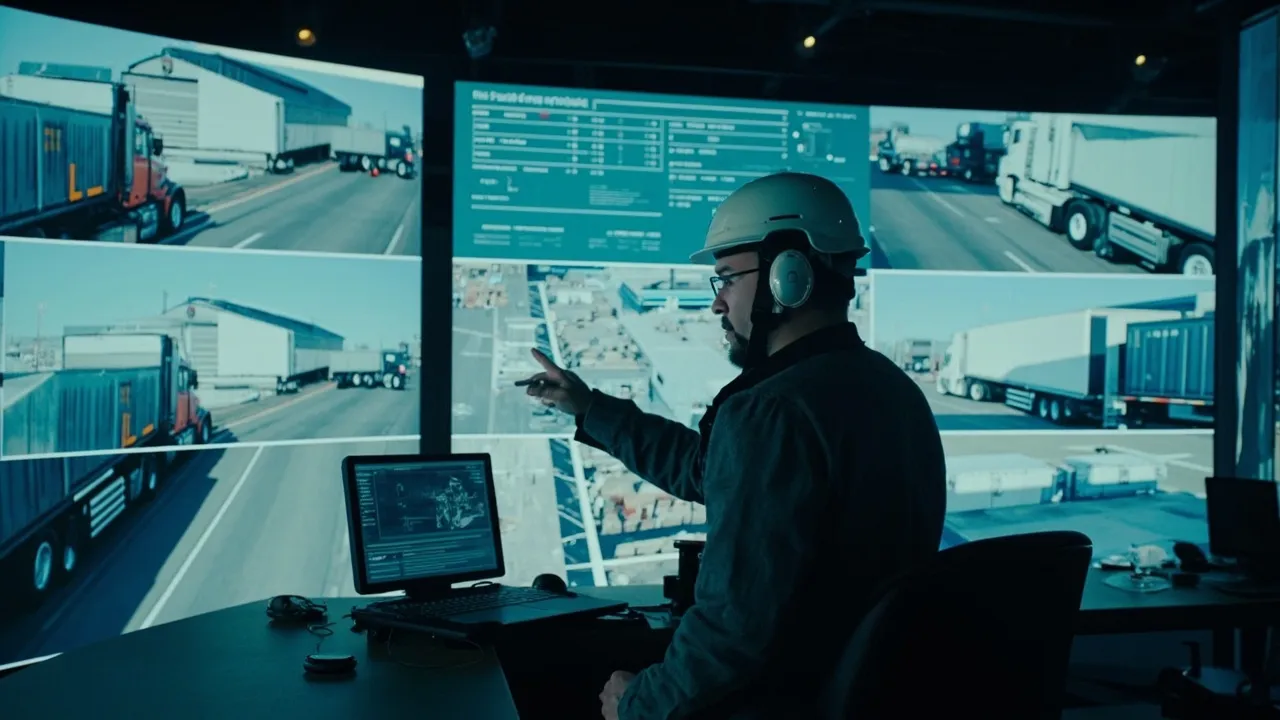
Transportation Optimization Is Compressing Planning Cycles From Weeks to Hours
AI transportation optimization is shrinking freight planning cycles from weeks to hours, but only when rates, constraints, service rules, and planner oversight are digitized first.
CXTMS InsightsJune 7, 2026 · 7 min read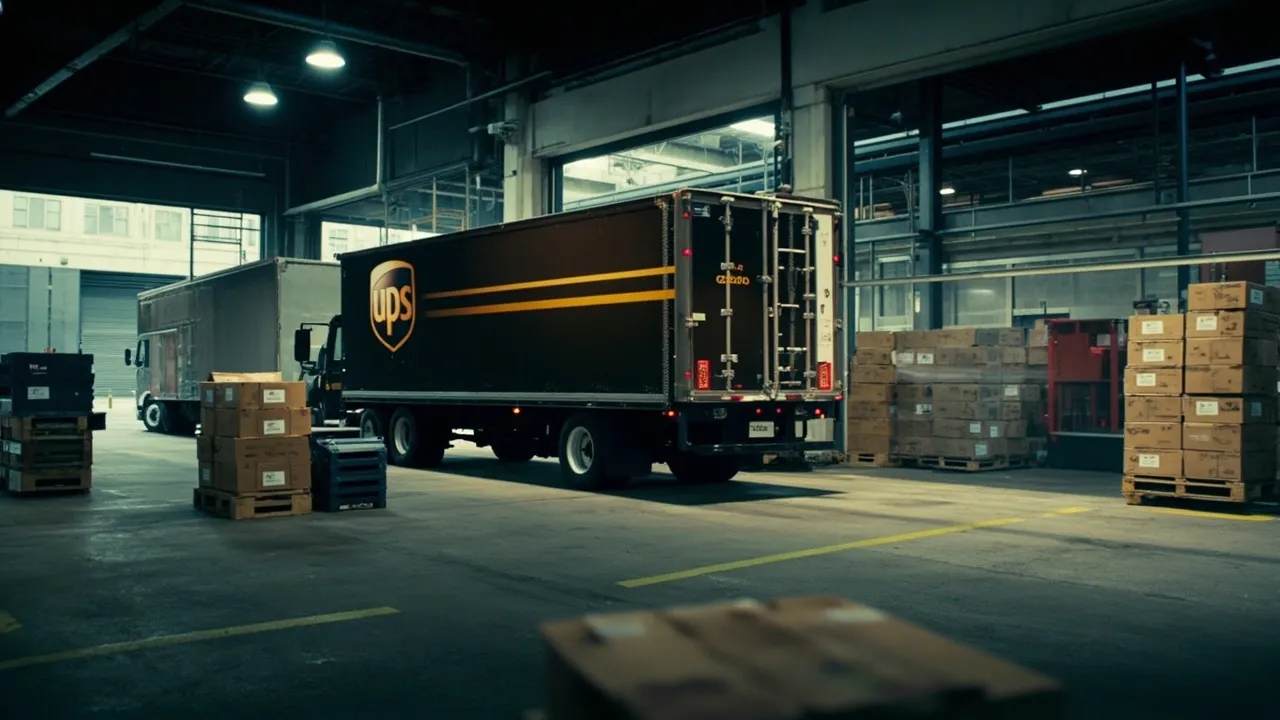
UPS’s $50M Automotive and Industrial Push Is Really a Service-Parts Logistics Signal
UPS is investing nearly $50 million in automotive and industrial logistics capabilities. The bigger signal is that service-parts networks need tighter orchestration across visibility, heavy freight, same-day delivery, and regional inventory.
CXTMS InsightsJune 7, 2026 · 7 min read
The 2026 Warehouse Fulfillment Report Shows WMS Buyers Want Labor Relief, Not Feature Lists
Warehouse technology buyers are judging WMS and fulfillment investments by labor resilience, throughput stability, and automation readiness. The 2026 buying question is no longer which feature list is longest; it is which system can keep work moving.
CXTMS InsightsJune 7, 2026 · 7 min read
WTO Trade Growth Warnings Put Inventory Timing Back Under the Microscope
WTO trade-growth signals show goods trade is still expanding but slowing, putting purchase-order timing, port bookings, and safety stock assumptions back under scrutiny.
CXTMS InsightsJune 7, 2026 · 7 min read
Agentic AI Readiness Starts With Operating Discipline, Not Another Dashboard
Agentic AI can automate freight execution, but logistics teams need clean workflows, decision rights, and auditability before they hand exceptions to autonomous agents.
CXTMS InsightsJune 6, 2026 · 7 min read