Insights
Industry insights, integration guides, and product updates from the CXTMS team.
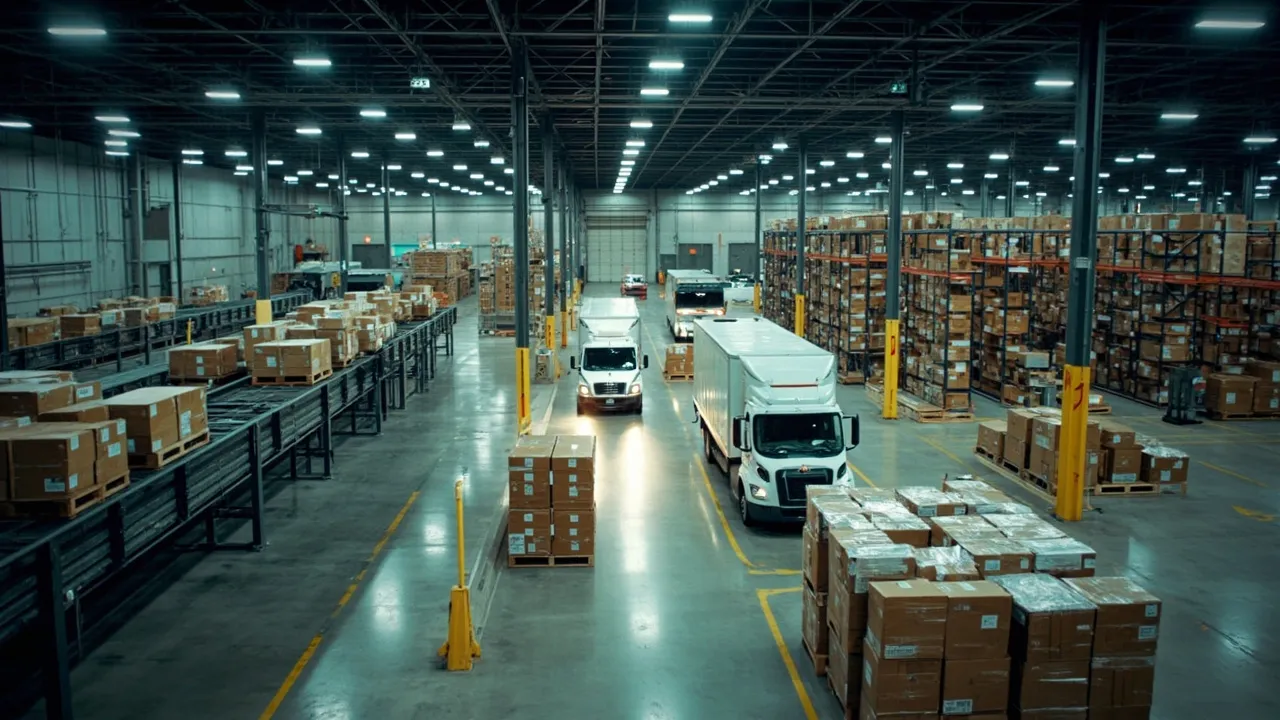
Great Plains Fulfillment Capacity Is Becoming an E-Commerce Logistics Pressure Valve
New Great Plains fulfillment capacity shows why e-commerce networks are moving inland to reduce parcel cost, improve speed, and build resilience.
 CXTMS InsightsJune 5, 20266 min read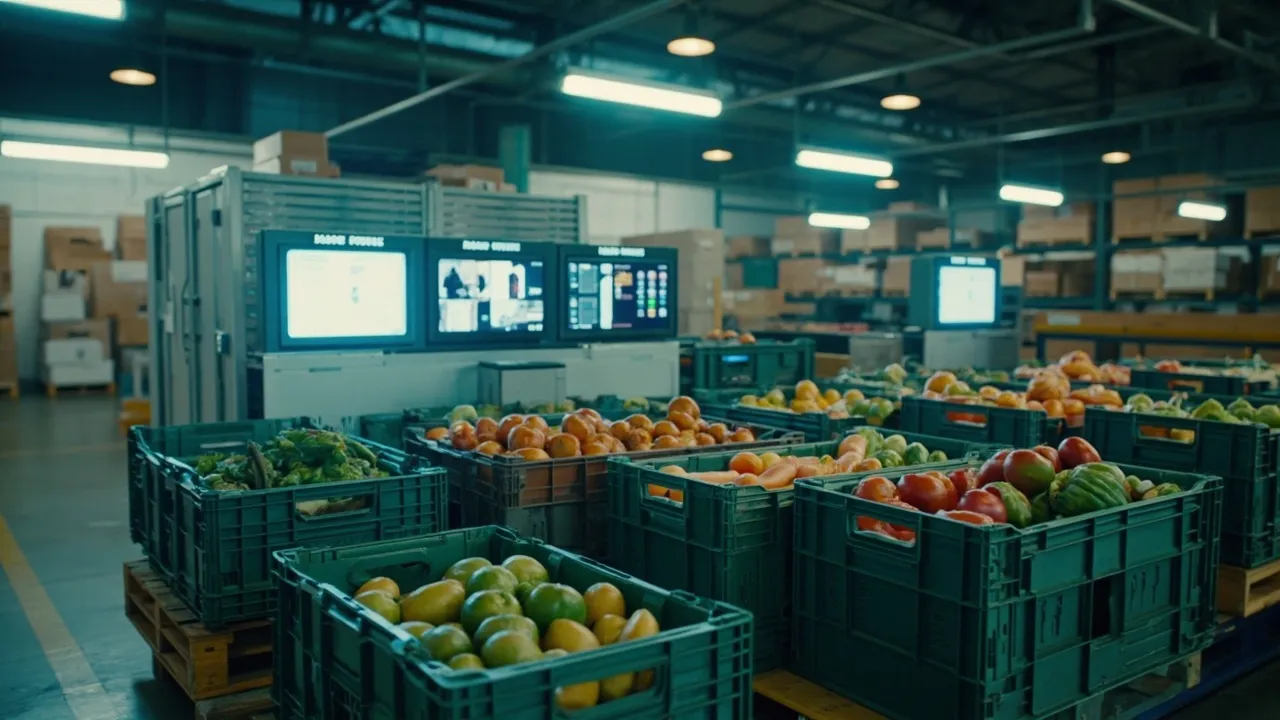
Adaptive Machine Learning Could Make Grocery Recalls Smaller, Faster, and Cheaper
Adaptive machine learning is turning grocery traceability into an execution discipline that can narrow recall scope, reduce waste, and control reverse logistics cost.
CXTMS InsightsJune 5, 2026 · 6 min read
India’s Last-Mile Delivery Market Is Growing Fast Enough to Redraw Urban Fulfillment
India’s last-mile delivery market is scaling quickly, forcing global shippers to rethink urban fulfillment density, carrier strategy, COD handling, returns, and delivery data governance.
CXTMS InsightsJune 5, 2026 · 7 min read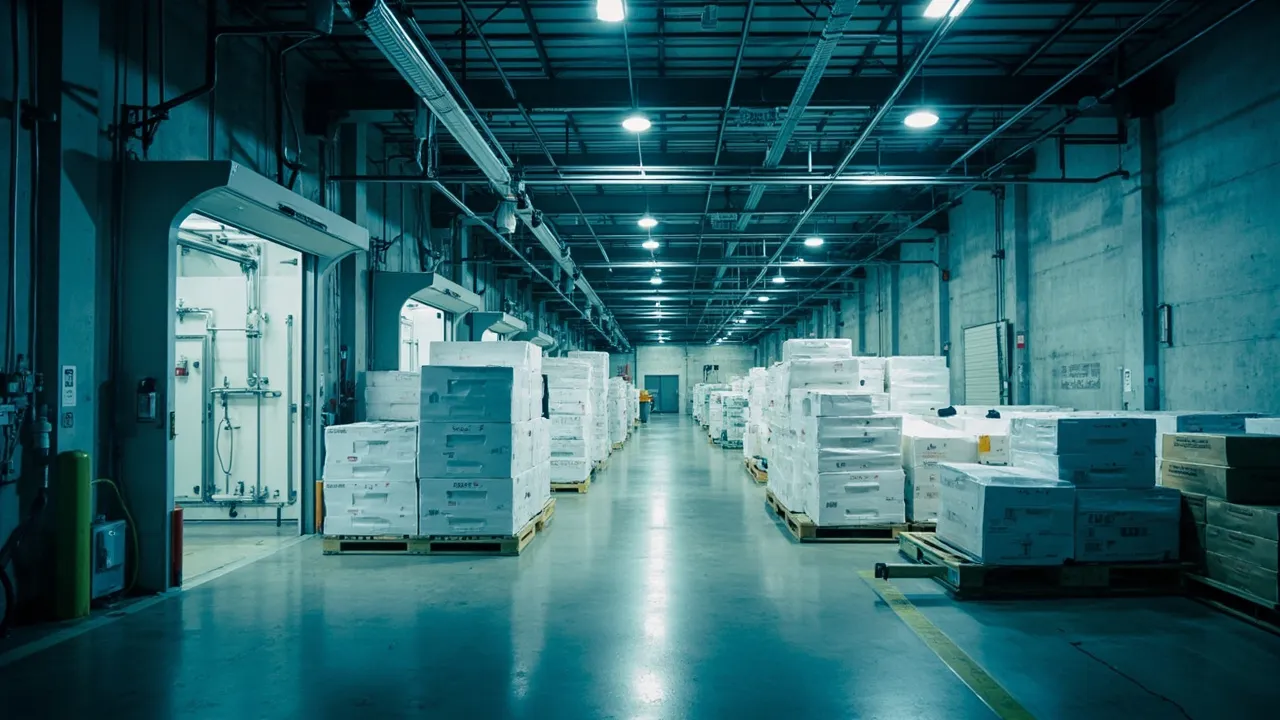
Japan’s $40B 3PL Market Is Moving Toward Value-Added Warehousing
Japan’s 3PL market is growing toward value-added warehousing, omnichannel fulfillment, and cold-chain discipline as logistics providers compete on service density and data quality.
CXTMS InsightsJune 5, 2026 · 7 min read
Port Houston’s Bayport Grant Shows the Next Port Bottleneck Is Truck Flow
Port Houston’s Bayport Container Terminal grant shows why port capacity planning now depends on truck gates, drayage reliability, and inland handoff discipline.
CXTMS InsightsJune 5, 2026 · 6 min read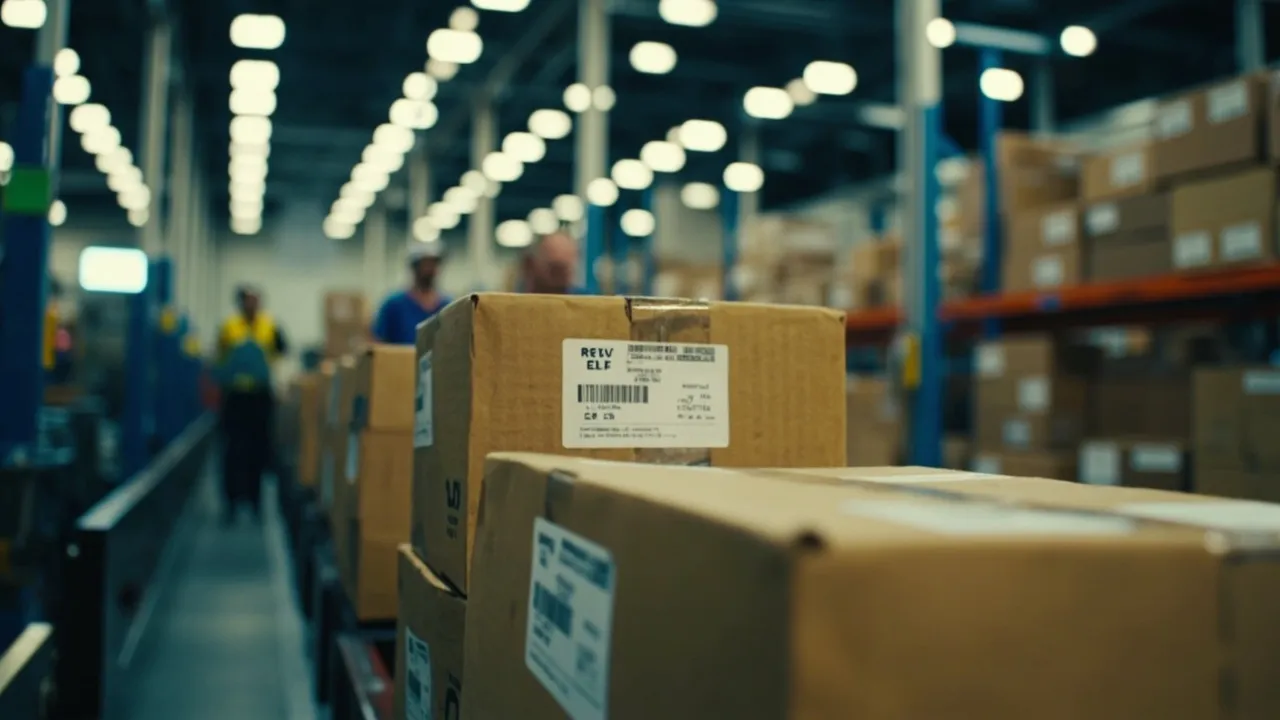
Shelf-Ready Packaging and RFID Are Becoming Warehouse Labor Strategy
Shelf-ready packaging and RFID mandates are turning carton design into a warehouse labor strategy, improving throughput, inventory accuracy, compliance, and freight efficiency.
CXTMS InsightsJune 5, 2026 · 7 min read
SMB Shipping Platforms Are Consolidating Into Enterprise-Grade Logistics Stacks
ShipStation Global shows how SMB shipping software is merging with freight networks, pushing mid-market shippers to demand cleaner execution control.
CXTMS InsightsJune 5, 2026 · 7 min read
Shippers Are Expanding 3PL Use, but the Relationship Model Is Changing
3PL outsourcing is moving from transactional capacity buying to strategic, technology-enabled relationship governance. Here is what shippers need to control.
CXTMS InsightsJune 4, 2026 · 6 min read
Brownfield Warehouse Modernization Is Beating Big-Bang Automation in 2026
Brownfield warehouse modernization is gaining ground as logistics teams use orchestration, WMS fixes, and targeted robotics to unlock capacity without full network resets.
CXTMS InsightsJune 4, 2026 · 7 min read
Cold Chain Mapping Has to Move Faster Than the Network Changes
Cold chain mapping is no longer a static planning exercise. Food logistics teams need live network visibility across storage, reefer capacity, dwell risk, and partner performance.
CXTMS InsightsJune 4, 2026 · 6 min read