workforce
22 posts tagged with “workforce”

Logistics AI Projects Will Fail Unless Frontline Upskilling Comes First
Logistics AI success depends less on replacing workers and more on training frontline teams to supervise, question, and scale automated workflows.
 CXTMS InsightsJune 12, 2026 · 7 min read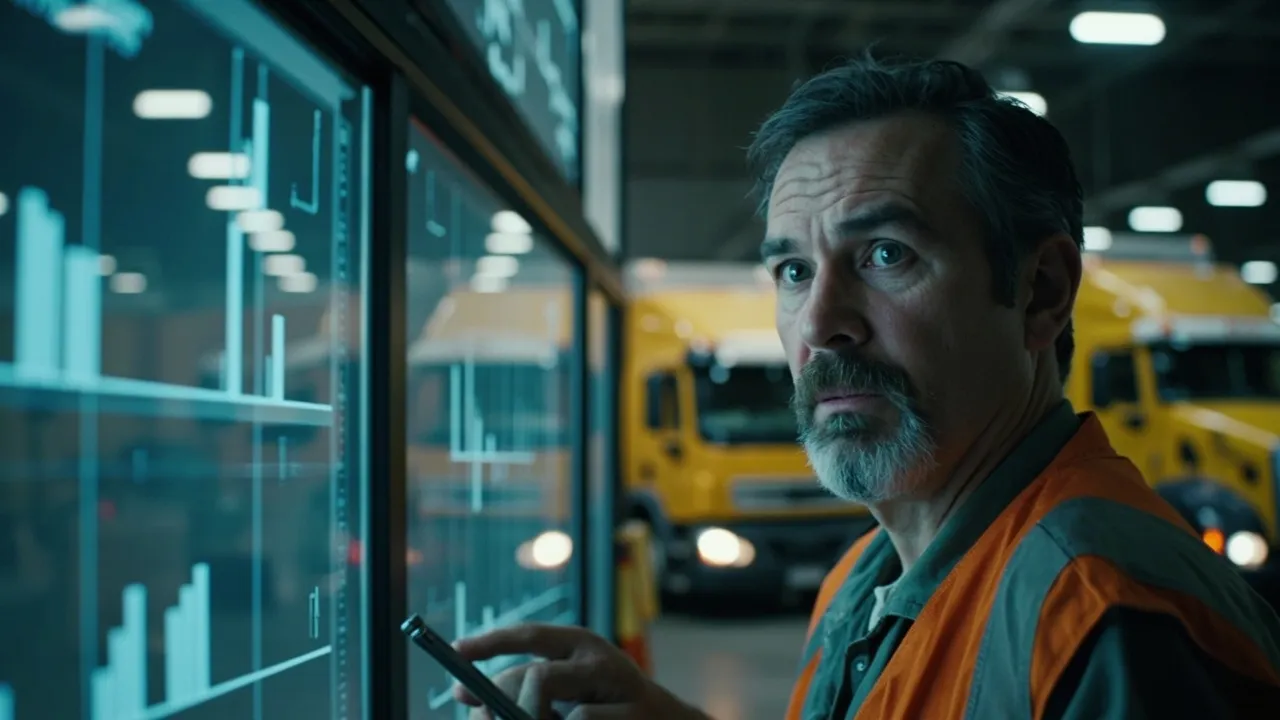
Logistics Turnover Is Not an HR Expense. It Is a Service-Level Risk.
Logistics turnover is not background HR noise. Labor churn hits warehouse productivity, exception handling, carrier relationships, safety, and customer service levels.
CXTMS InsightsJune 8, 2026 · 7 min read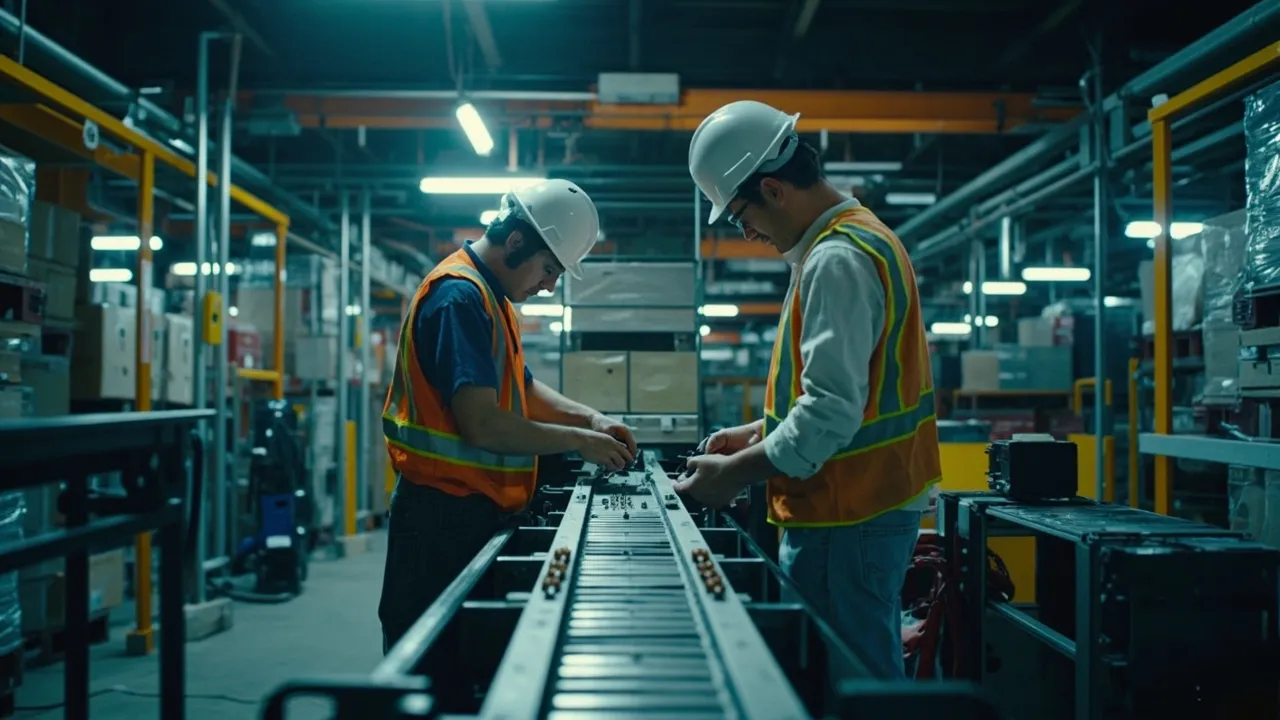
Warehouse Maintenance Technicians Are Becoming the Hidden Constraint on Automation ROI
Warehouse automation ROI now depends on maintenance technician capacity, troubleshooting discipline, and documentation maturity as much as robotics hardware.
CXTMS InsightsJune 8, 2026 · 6 min read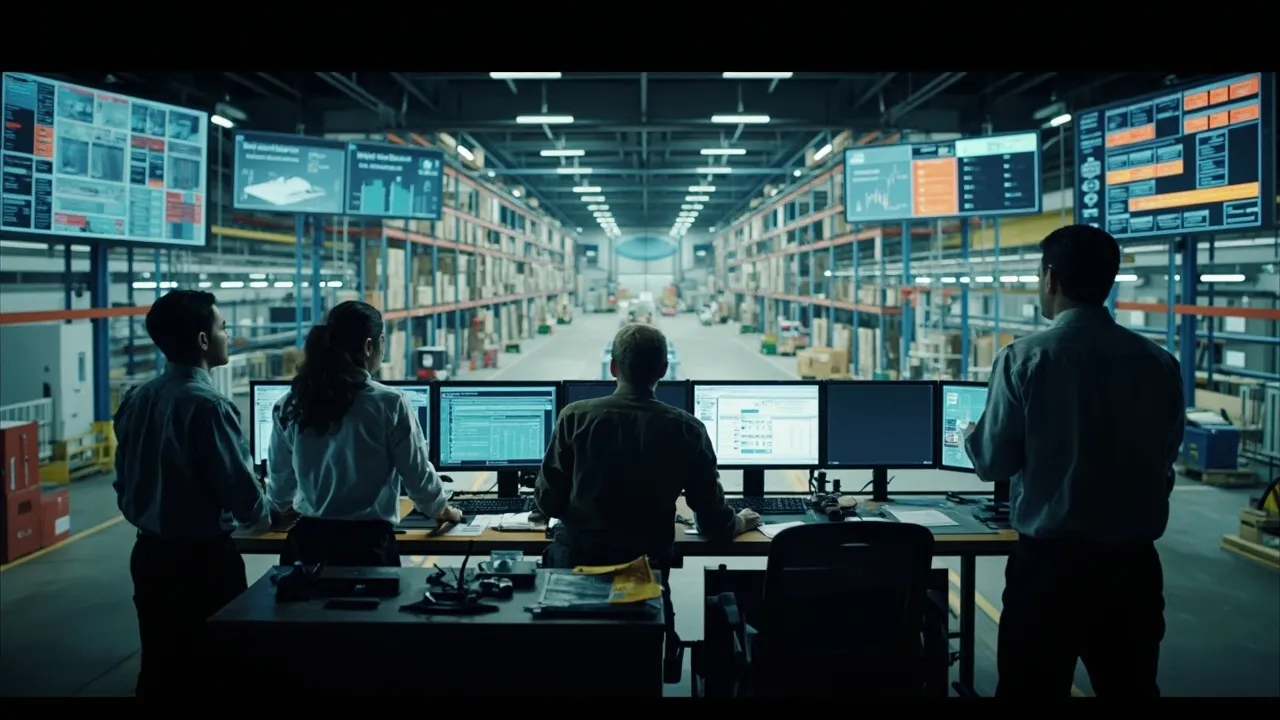
Workforce Orchestration: The Missing Link Between Supply Chain Planning and Execution
Workforce orchestration is becoming essential as supply chain planning and execution converge around labor capacity, carrier schedules, and cost control.
CXTMS InsightsMay 29, 2026 · 6 min read
Gartner Says AI Hiring Freezes Could Backfire by 2030. Logistics Teams Should Not Ignore the Talent Math.
AI may change logistics work, but blanket entry-level hiring freezes can create costly talent gaps in planning, carrier management, warehousing, and exception control.
CXTMS InsightsMay 11, 2026 · 7 min read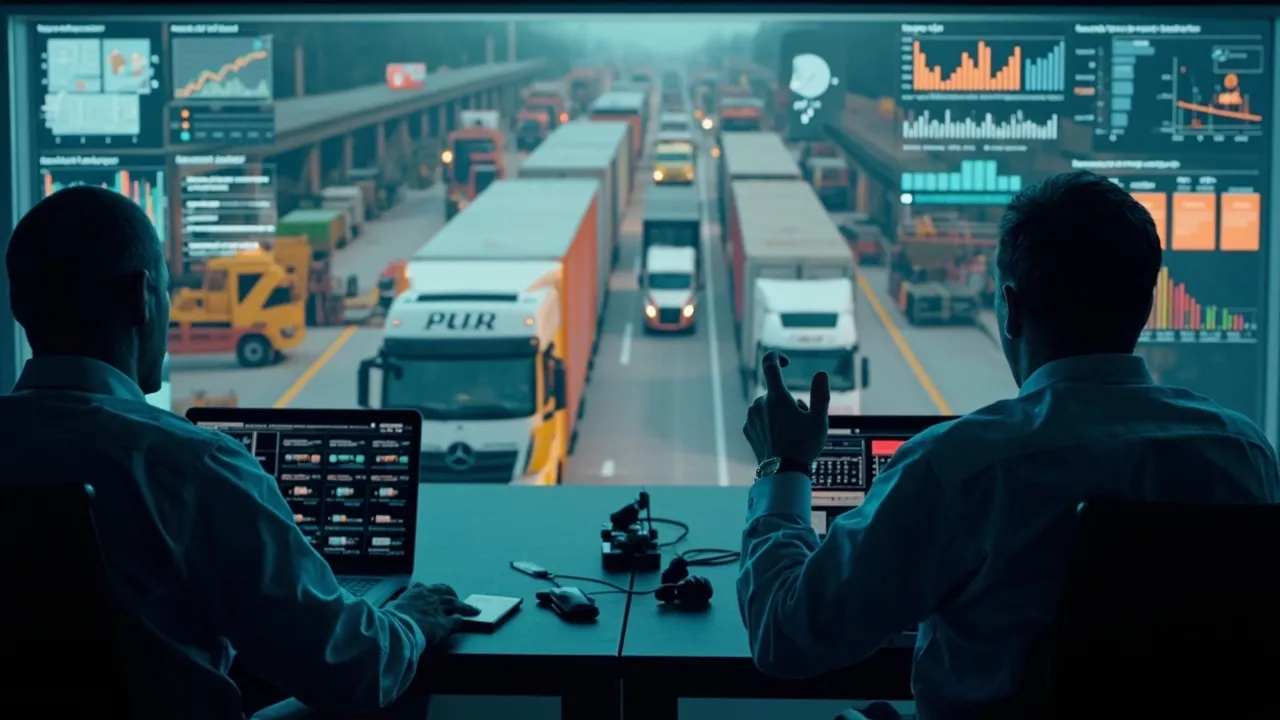
Logistics Jobs Are Getting Harder and Better Paid: What the 2026 Salary Survey Says About the New Supply Chain Career Path
Logistics Management’s 2026 salary survey shows rising pay, broader responsibilities, and a talent pipeline problem that is turning logistics into a more strategic career path.
CXTMS InsightsApril 25, 2026 · 6 min read
Nearshoring in 2026 Has a Talent Problem, Not Just a Capacity Problem
Nearshoring strategy in 2026 is being constrained less by factory availability than by a shortage of leaders who can run trade compliance, landed-cost modeling, AI governance, and cross-border execution at speed. Companies expanding in Mexico need org design as much as network design.
CXTMS InsightsApril 23, 2026 · 6 min read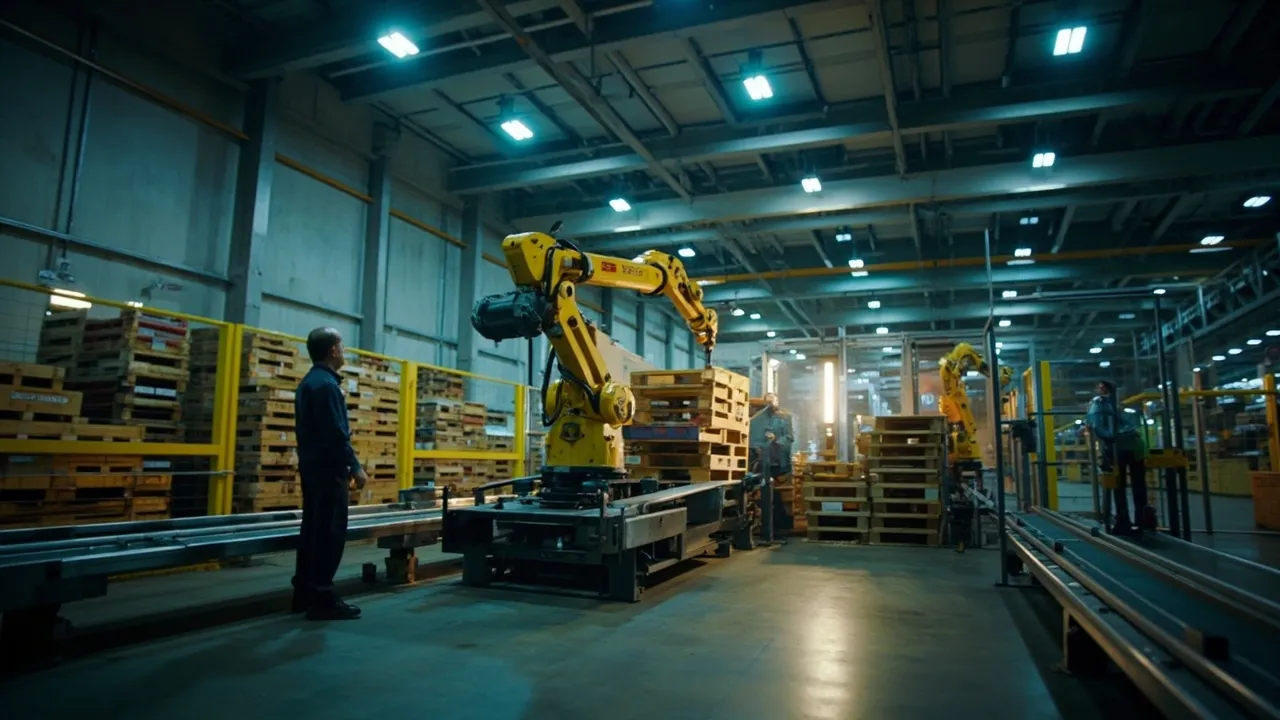
The Real Warehouse Robotics Bottleneck in 2026 Is Change Management, Not Hardware
Warehouse robotics adoption is rising fast in 2026, but operators are learning that change management, skills, and workflow redesign matter more than the next shiny machine.
CXTMS InsightsApril 16, 2026 · 6 min read
Warehouse Retention in 2026 Starts With the Building, Not Just the Hiring Plan
Warehouse retention in 2026 depends on more than wages. Lighting, ergonomics, temperature, noise, and automation-ready design now directly shape turnover, productivity, and operating resilience.
CXTMS InsightsApril 15, 2026 · 7 min read
The Supply Chain Talent Crisis: 1.2 Million Executive Roles Unfilled
The logistics industry faces a unprecedented talent shortage as 1.2 million executive roles remain unfilled across G7 nations, forcing companies to rethink talent strategy.
CXTMS InsightsApril 8, 2026 · 6 min read