warehouse-automation
55 posts tagged with “warehouse-automation”
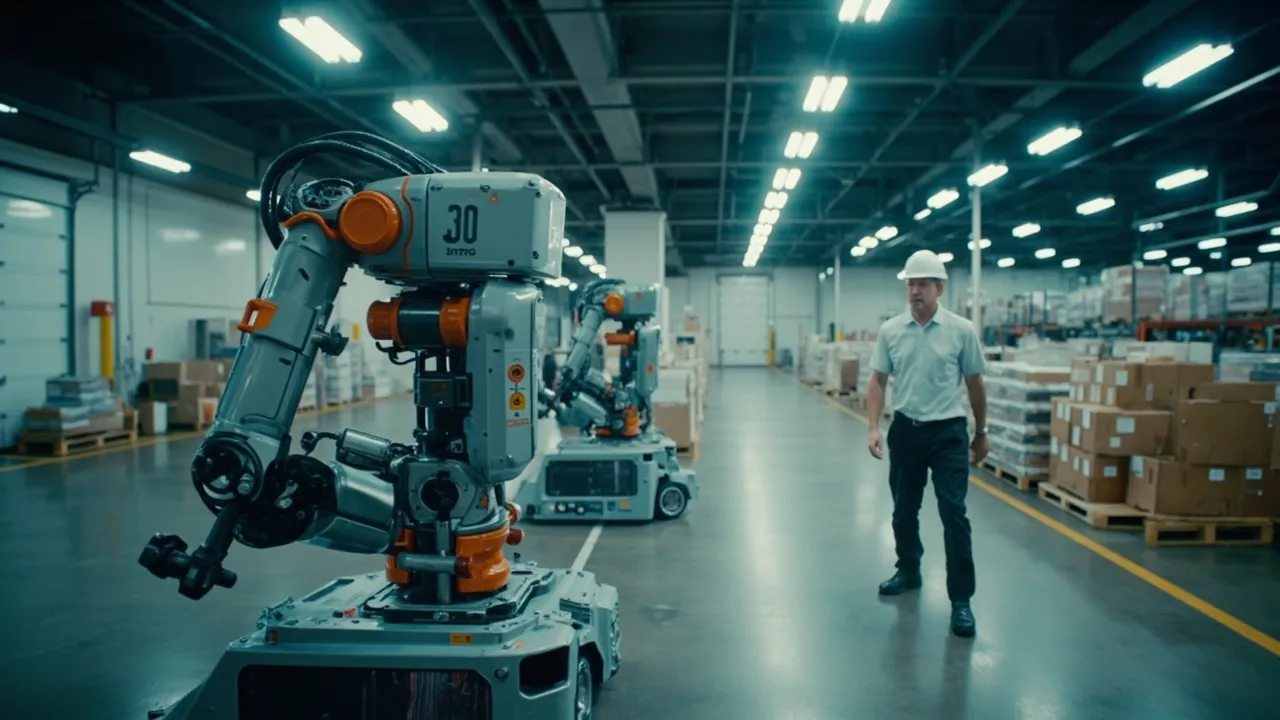
The Intralogistics Robotics Gap: 52% Run Robots, but First-Time Buyers Are Still Stuck in Education Mode
Warehouse robotics adoption is accelerating, but first-time buyers still need sharper business cases tied to labor, throughput, integration, and transportation promises.
 CXTMS InsightsMay 9, 2026 · 6 min read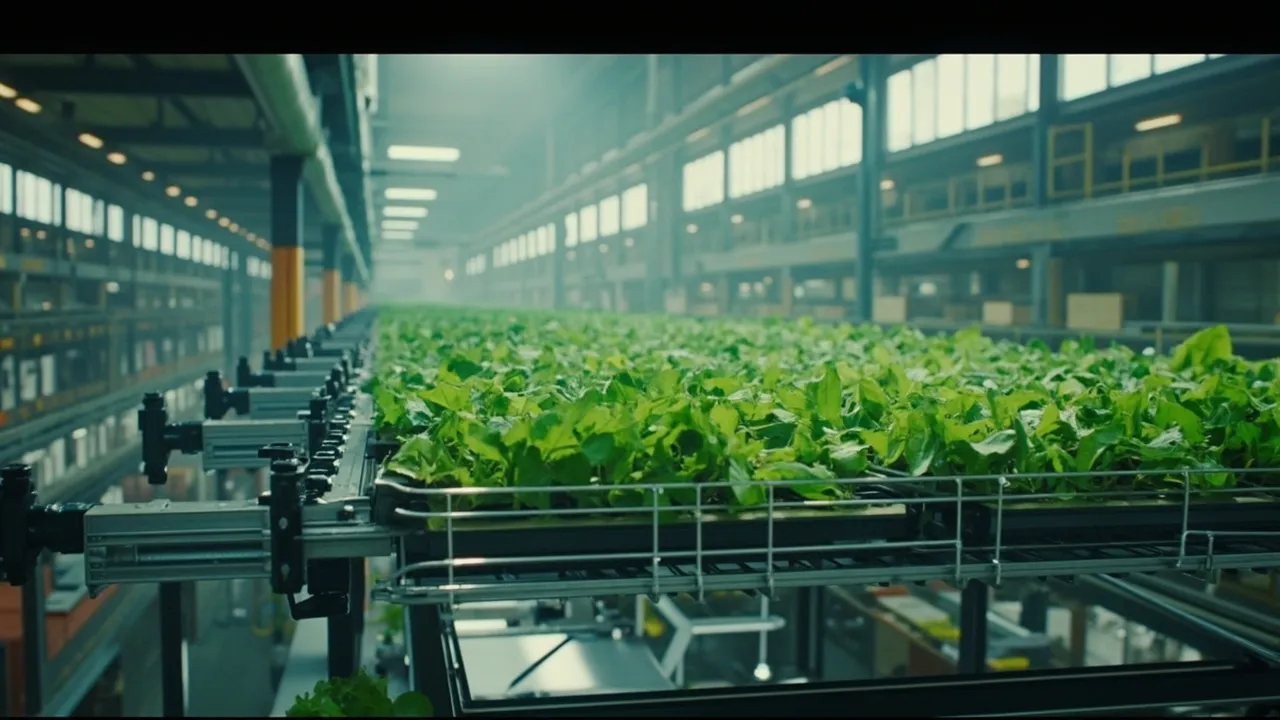
Warehouse Automation Is Becoming a Production Platform, Not Just a Fulfillment Tool
Warehouse automation is moving upstream from fulfillment into production. Vertical farming shows why logistics teams need execution systems that manage inventory before it becomes an order.
CXTMS InsightsMay 8, 2026 · 7 min read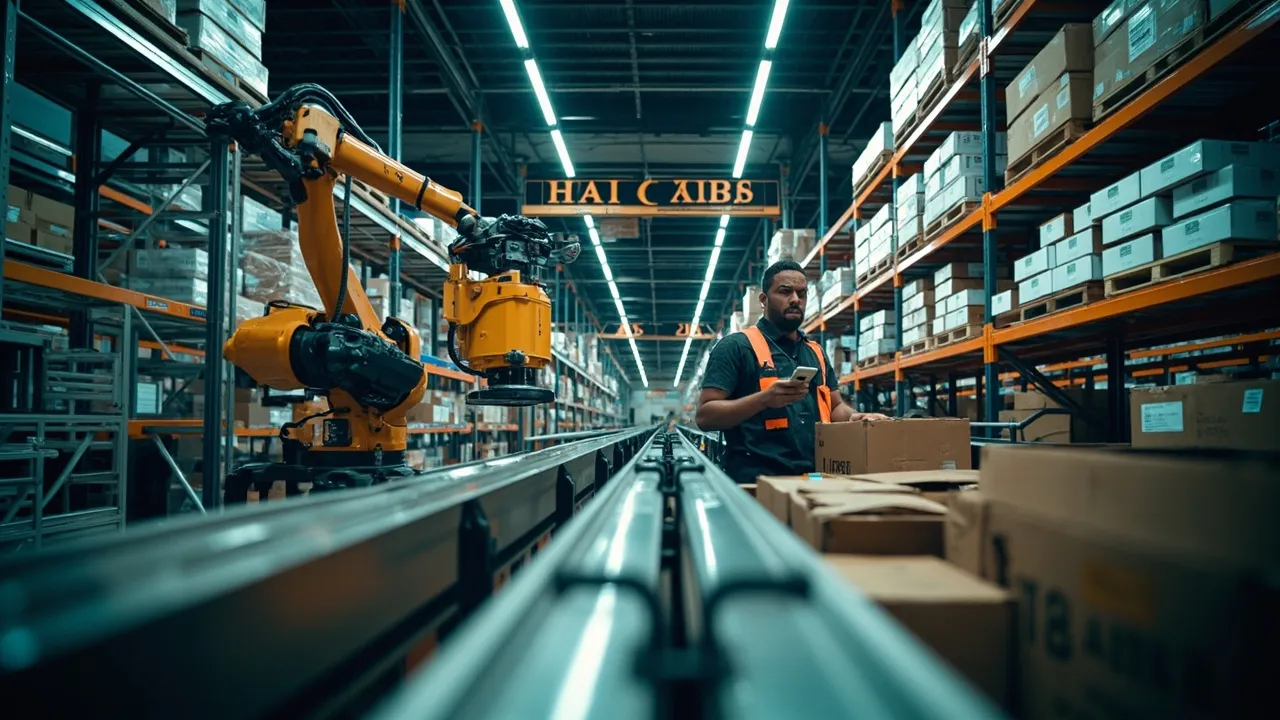
Warehouse Management Systems for E-Commerce in 2026: Why Your Fulfillment Stack Is Due for an Upgrade
The global WMS market is growing from $4.77B in 2026 to $10.89B by 2031. Here's what e-commerce shippers need to know about choosing, implementing, and integrating a WMS that actually keeps up with fulfillment complexity.
CXTMS InsightsMay 4, 2026 · 7 min read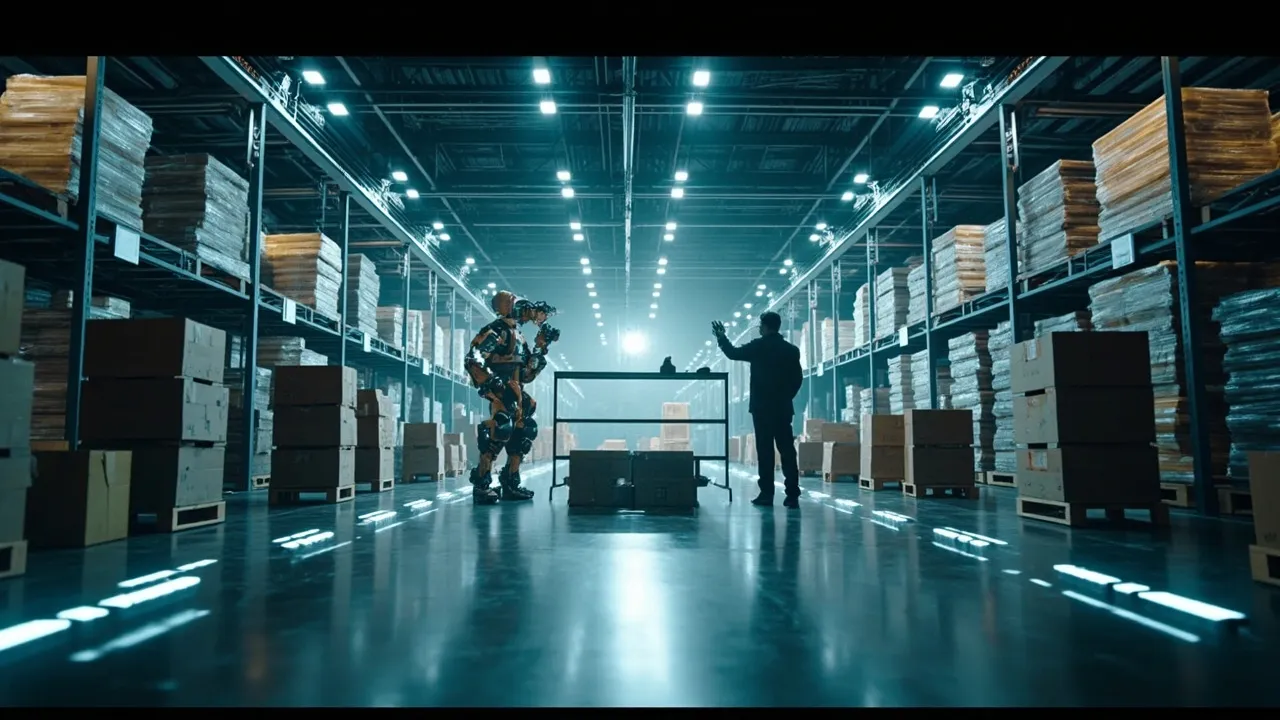
AI4WMS and the End of Rip-and-Replace: Why Warehouse Automation Integration Is Finally Getting Practical
Roboteon’s AI4WMS points to a more practical automation era, where warehouses layer robotics onto existing WMS stacks instead of blowing up core systems to modernize.
CXTMS InsightsApril 25, 2026 · 5 min read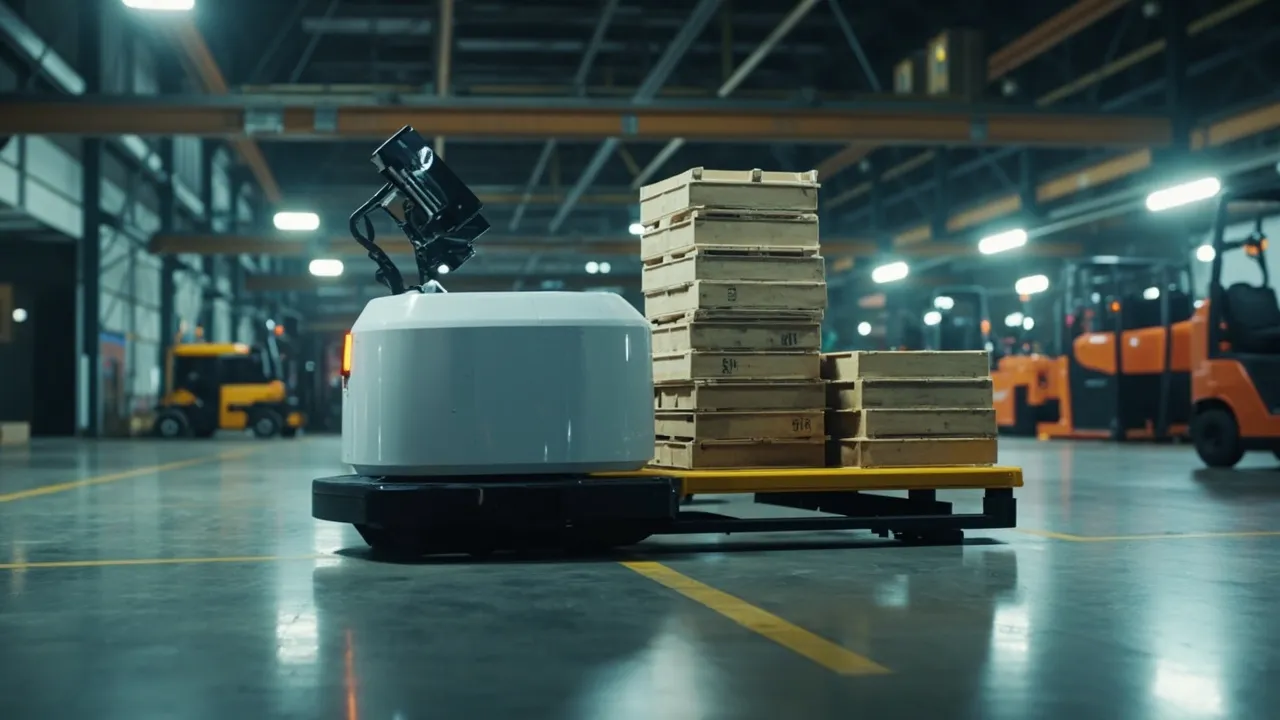
Mobile Cobots Meet AI Pallet Handling: Teradyne’s New Bet on Flexible Intralogistics Automation
Teradyne Robotics’ MC600 and MiR1200 show why warehouses are shifting toward flexible mobile automation that can handle pallet movement without fixed infrastructure.
CXTMS InsightsApril 25, 2026 · 6 min read
Home Depot’s Simpl Deal Shows Retailers Want Warehouse Automation They Can Actually Operationalize
Home Depot’s acquisition of Simpl Automation shows why retailers are prioritizing targeted warehouse automation that improves pick speed, cycle times, and storage density without betting the operation on a giant greenfield rebuild.
CXTMS InsightsApril 22, 2026 · 6 min read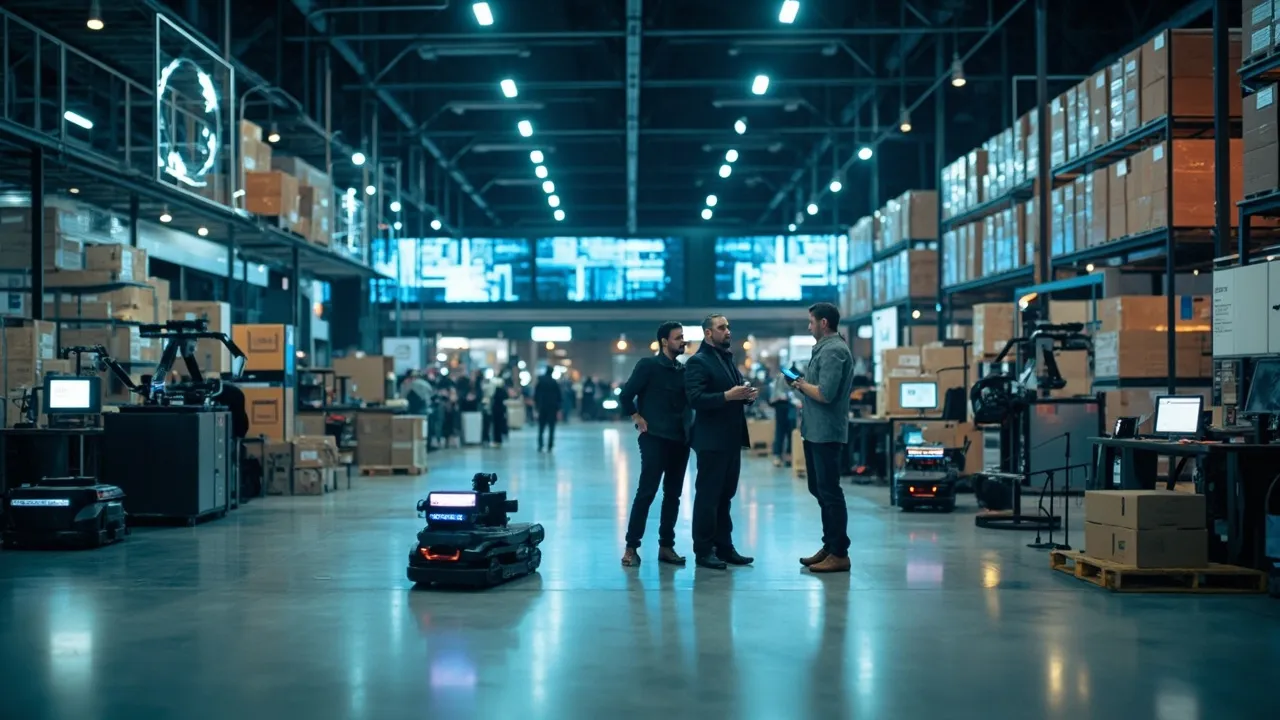
MODEX 2026 Drew 50,000 Visitors. The Real Story Is Which Warehouse Bets Are Getting Serious Money.
MODEX 2026 was not just a big trade show. Record attendance, a larger exhibitor base, and fresh MHI-Deloitte data show where warehouse and supply chain investment is concentrating in 2026: AI, practical automation, ergonomics, packaging, and orchestration.
CXTMS InsightsApril 22, 2026 · 6 min read
Gartner Says Half of New Warehouses Will Be Human-Optional by 2030. The Timeline Matters More Than the Hype.
Gartner’s new forecast is a serious signal for warehouse operators, but the real story is not lights-out fantasy. It is phased automation, better orchestration, and smarter labor design.
CXTMS InsightsApril 18, 2026 · 6 min read
Right-Sized Packaging Is Quietly Becoming One of the Smartest Warehouse Automation Bets in 2026
Right-sized packaging is not a side project anymore. It is a practical way to cut DIM charges, corrugated waste, labor touches, and trailer inefficiency without betting the farm on flashy robotics.
CXTMS InsightsApril 18, 2026 · 5 min read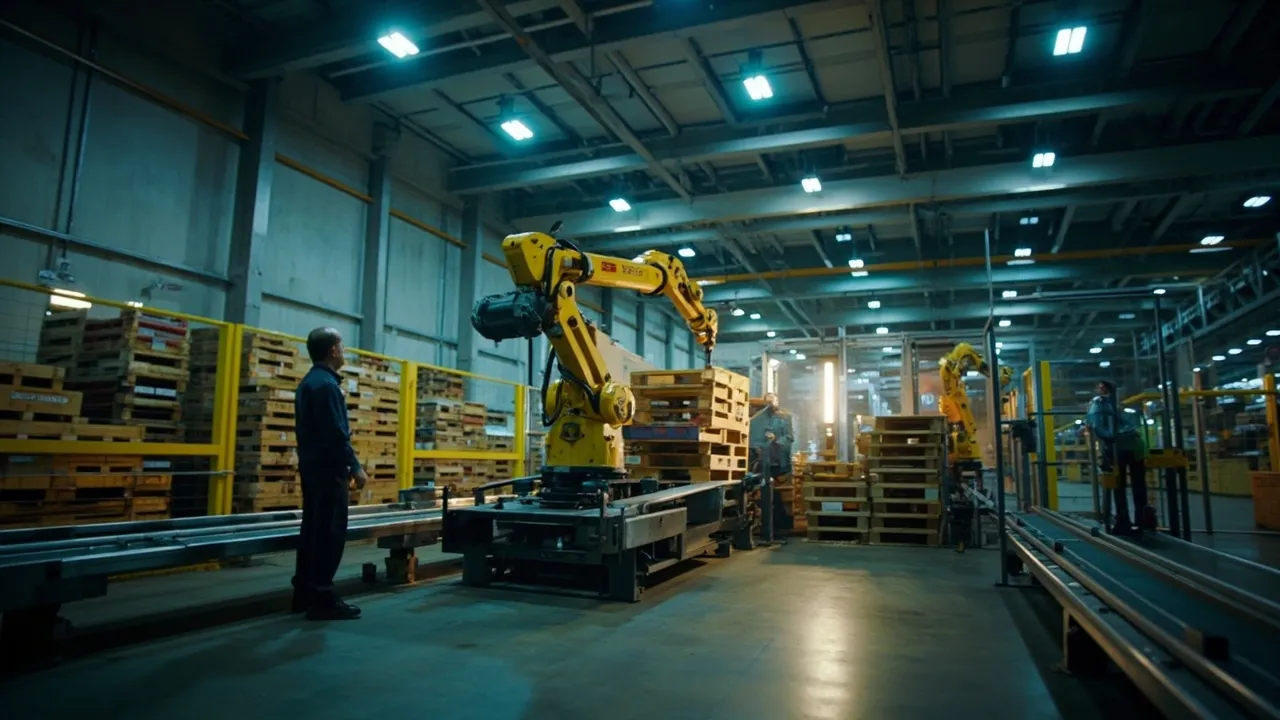
Depalletizing Has Quietly Become One of Warehouse Automation’s Most Useful 2026 Use Cases
Depalletizing is turning from an ugly manual bottleneck into a practical automation priority for warehouses under pressure to move inbound freight faster and safer.
CXTMS InsightsApril 16, 2026 · 6 min read