ports
9 posts tagged with “ports”

Port Houston’s New Harbor Cranes Show Breakbulk Capacity Still Matters in a Container-Obsessed Market
Port Houston’s new harbor cranes are a reminder that breakbulk capacity, heavy-lift planning, and equipment-aware routing still matter for project cargo.
 CXTMS InsightsJune 9, 2026 · 6 min read
Freight Infrastructure Funding Is Becoming a Grant-Readiness Problem for Supply Chains
Federal freight policy is putting ports, hubs, and industrial corridors back in the funding conversation. Supply chains that can prove delay, volume, safety, and resilience impacts will be better positioned.
CXTMS InsightsJune 7, 2026 · 7 min read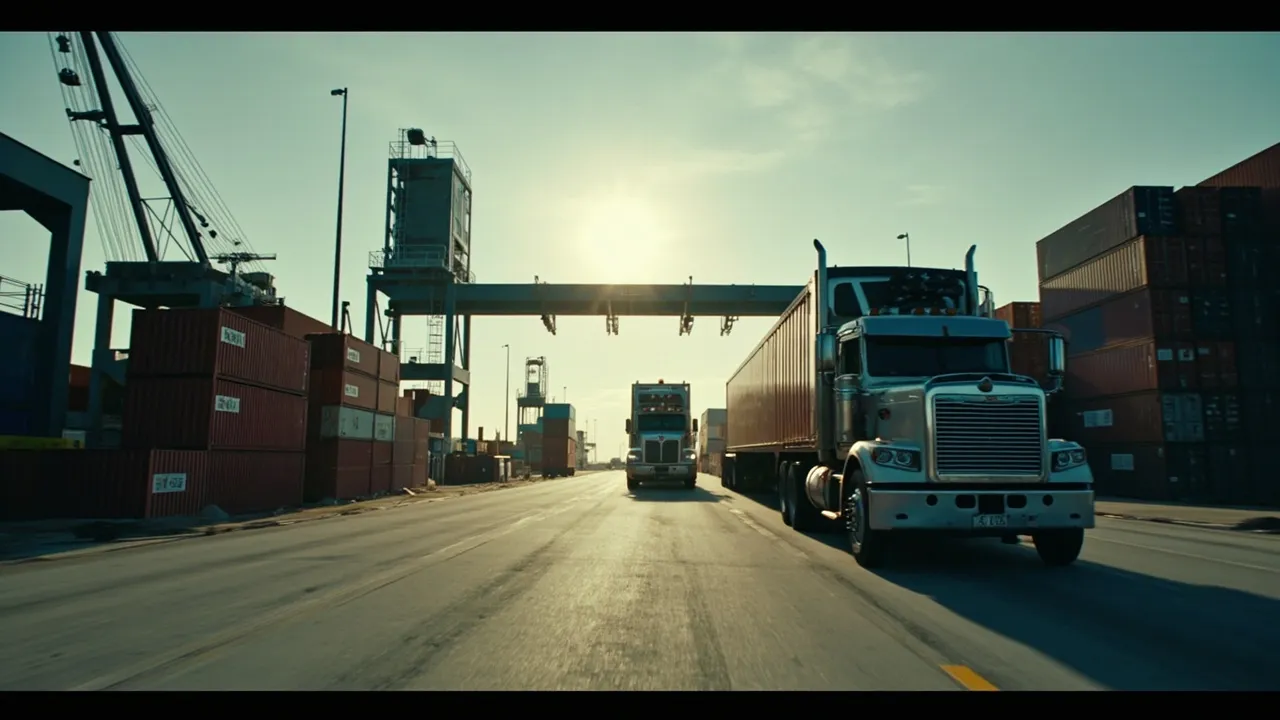
Port Houston’s Bayport Grant Shows the Next Port Bottleneck Is Truck Flow
Port Houston’s Bayport Container Terminal grant shows why port capacity planning now depends on truck gates, drayage reliability, and inland handoff discipline.
CXTMS InsightsJune 5, 2026 · 6 min read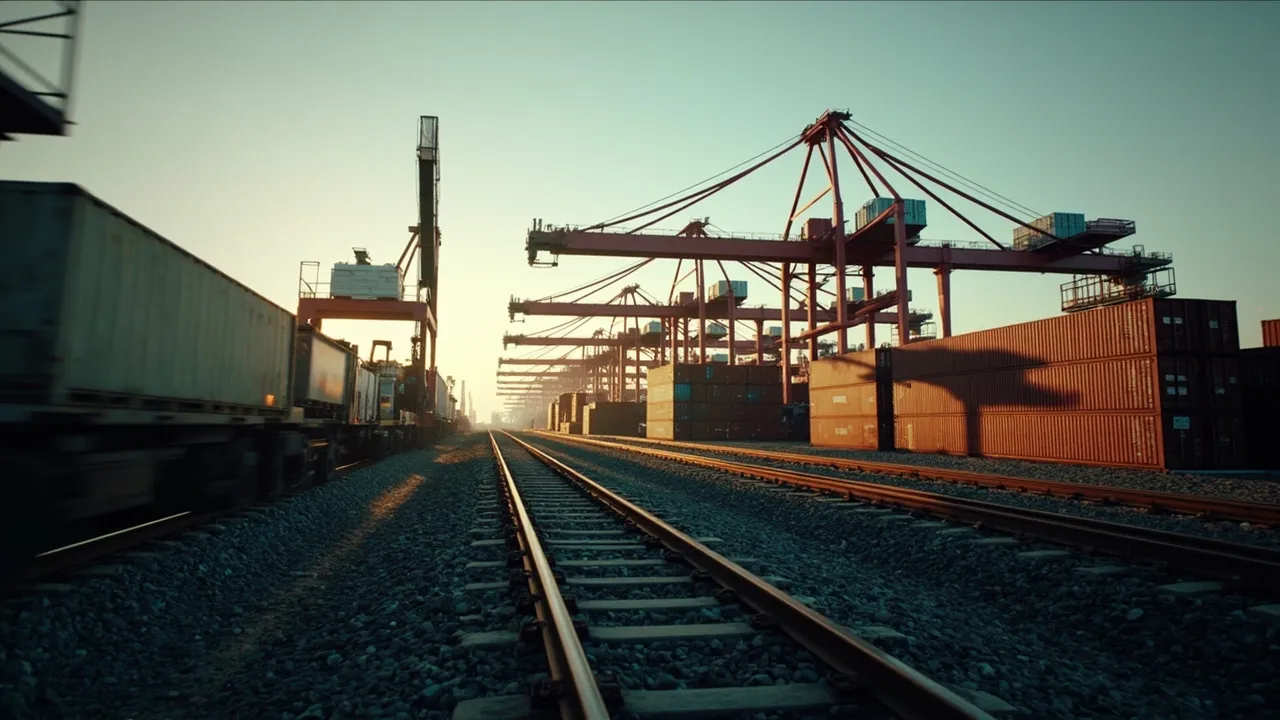
Canada’s Port Productivity Slide Is Becoming a Trade Diversification Problem
Canada wants to diversify trade beyond the U.S., but weaker port productivity, rail connections, and corridor visibility could turn that ambition into a logistics bottleneck.
CXTMS InsightsMay 25, 2026 · 6 min read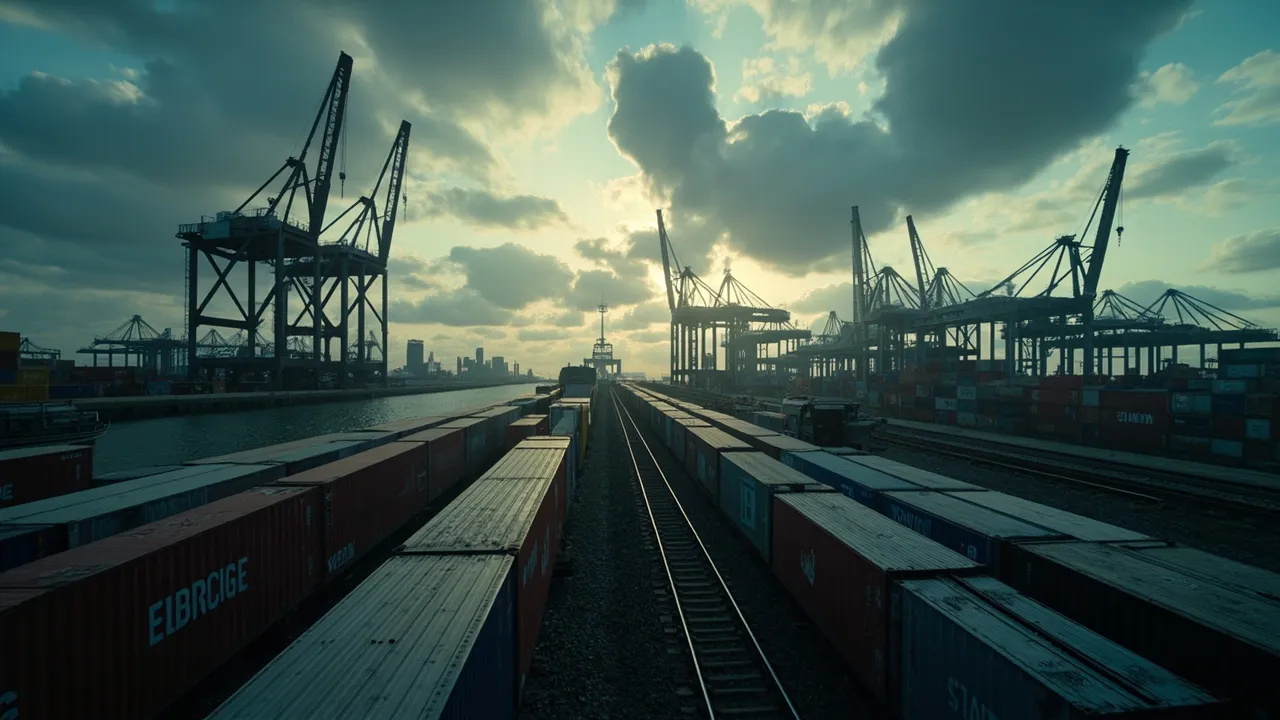
Canada’s Port Productivity Gap Is Becoming a Trade Diversification Bottleneck
Canada wants to diversify trade beyond the United States, but port productivity, rail handoffs, and corridor capacity are becoming execution constraints for shippers.
CXTMS InsightsMay 23, 2026 · 6 min read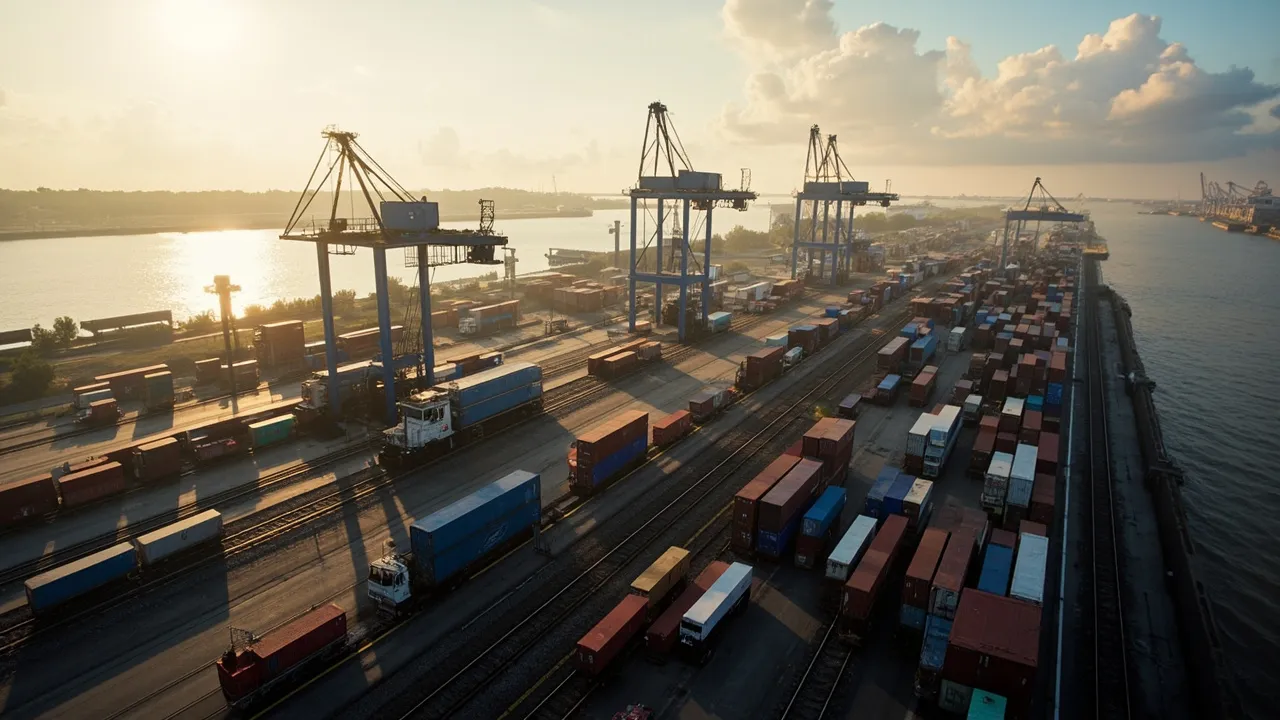
Georgia Ports’ 14% April Drop Shows Why Inland Port Strategy Matters When Demand Softens
Savannah’s April TEU decline does not weaken the case for inland ports. It clarifies why rail-connected capacity matters when freight demand softens and rebounds unevenly.
CXTMS InsightsMay 22, 2026 · 7 min read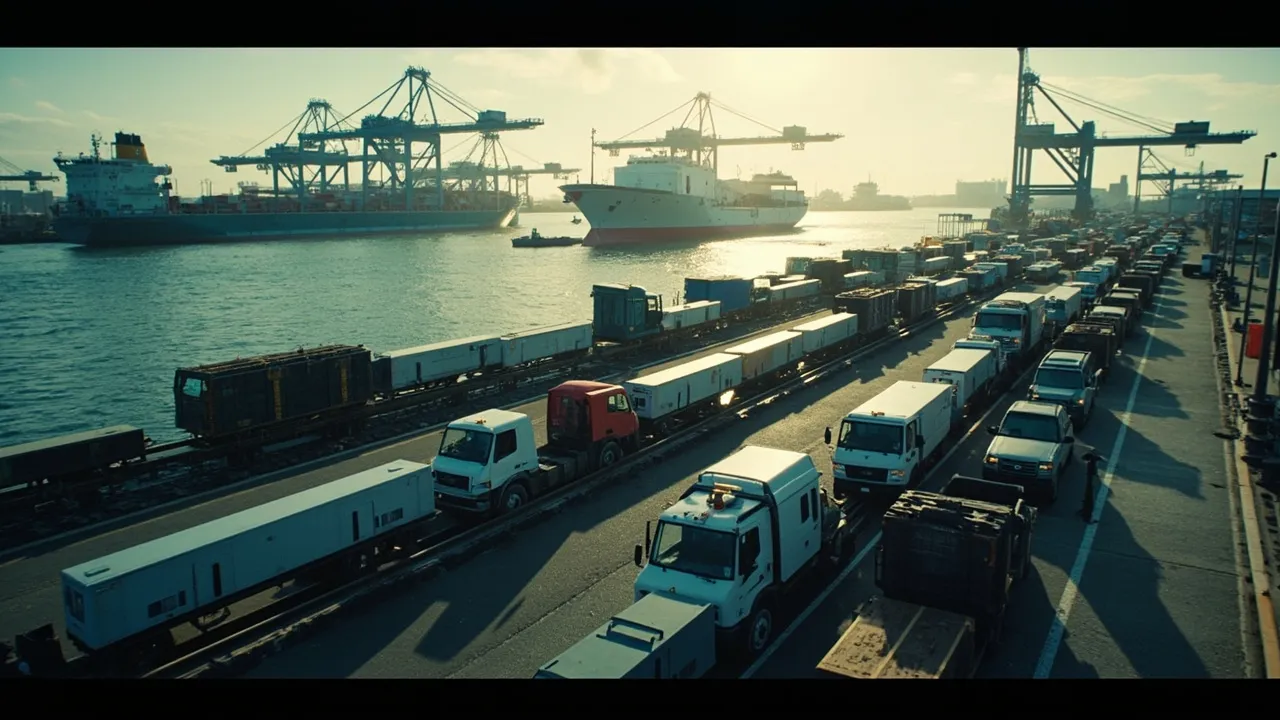
Brunswick’s $100M RoRo Berth Shows Finished Vehicle Logistics Is Becoming a Port Capacity Race
The Port of Brunswick’s $100 million RoRo berth expansion shows why finished vehicle logistics now depends on berth windows, yards, rail, drayage, and port data discipline.
CXTMS InsightsMay 19, 2026 · 7 min read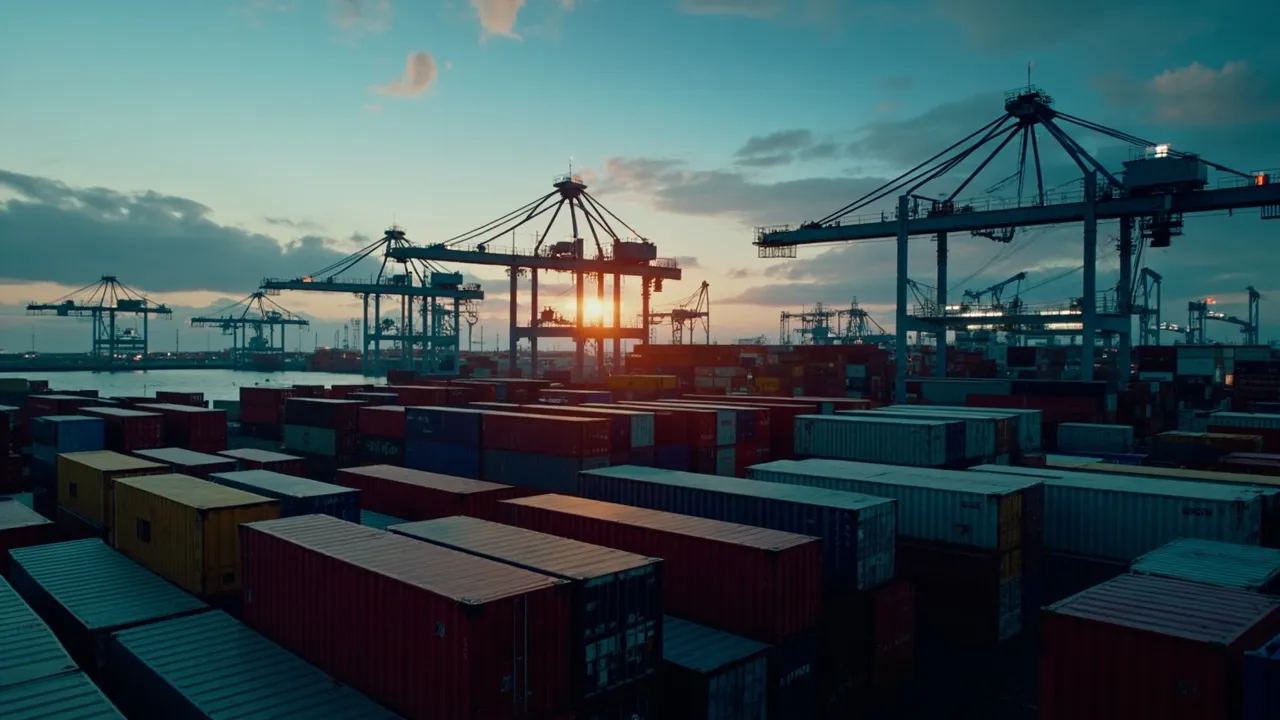
The Future of Seaports Is Densification, Not Endless Expansion
Land-constrained seaports are shifting toward densification, modernization, predictive analytics, and sustainability instead of endless physical expansion.
CXTMS InsightsMay 18, 2026 · 6 min read
Port of LA and Long Beach Closed Q1 Strong. The Outlook Still Looks Nervous.
Southern California port volumes held up better than many expected in Q1 2026, but tariff risk, frontloading behavior, and uneven import demand still make the rest of the year look fragile.
CXTMS InsightsApril 19, 2026 · 6 min read