intralogistics
12 posts tagged with “intralogistics”
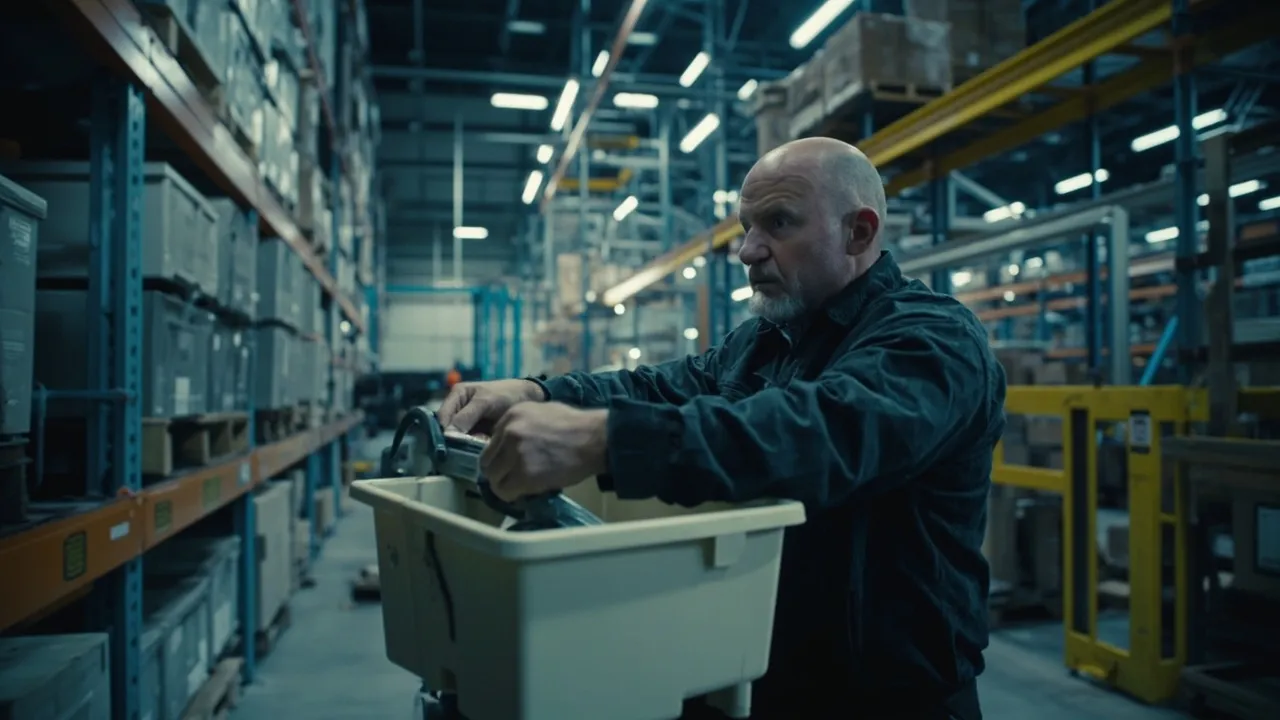
AutoStore Bin Production in Texas Points to a Bigger Warehouse Automation Supply Chain Shift
AutoStore bin production in Texas is a small but telling signal that warehouse automation supply chains now need regional resilience, spare-parts discipline, and procurement visibility.
 CXTMS InsightsJune 8, 2026 · 6 min read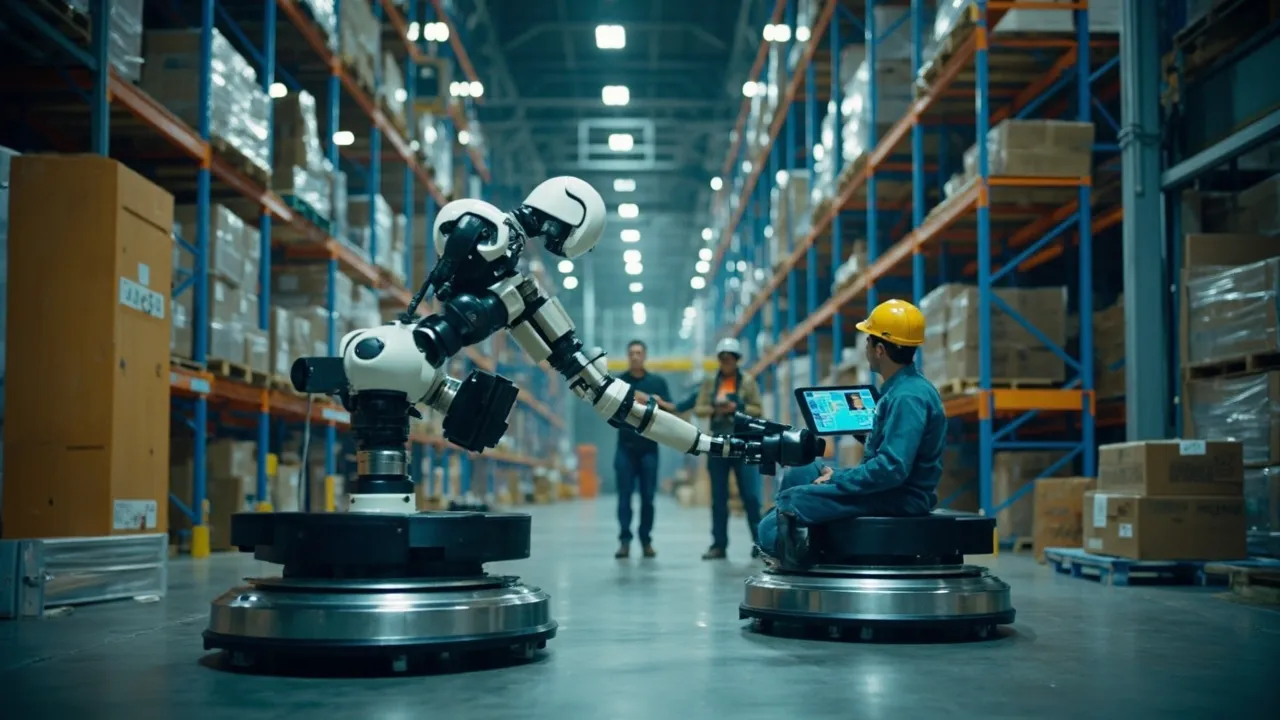
Robotics Adoption Has Crossed the Warehouse Mainstream Line
Warehouse robotics adoption has moved past pilots. Logistics leaders now need orchestration, maintenance discipline, and integration that turns robot fleets into execution performance.
CXTMS InsightsJune 4, 2026 · 6 min read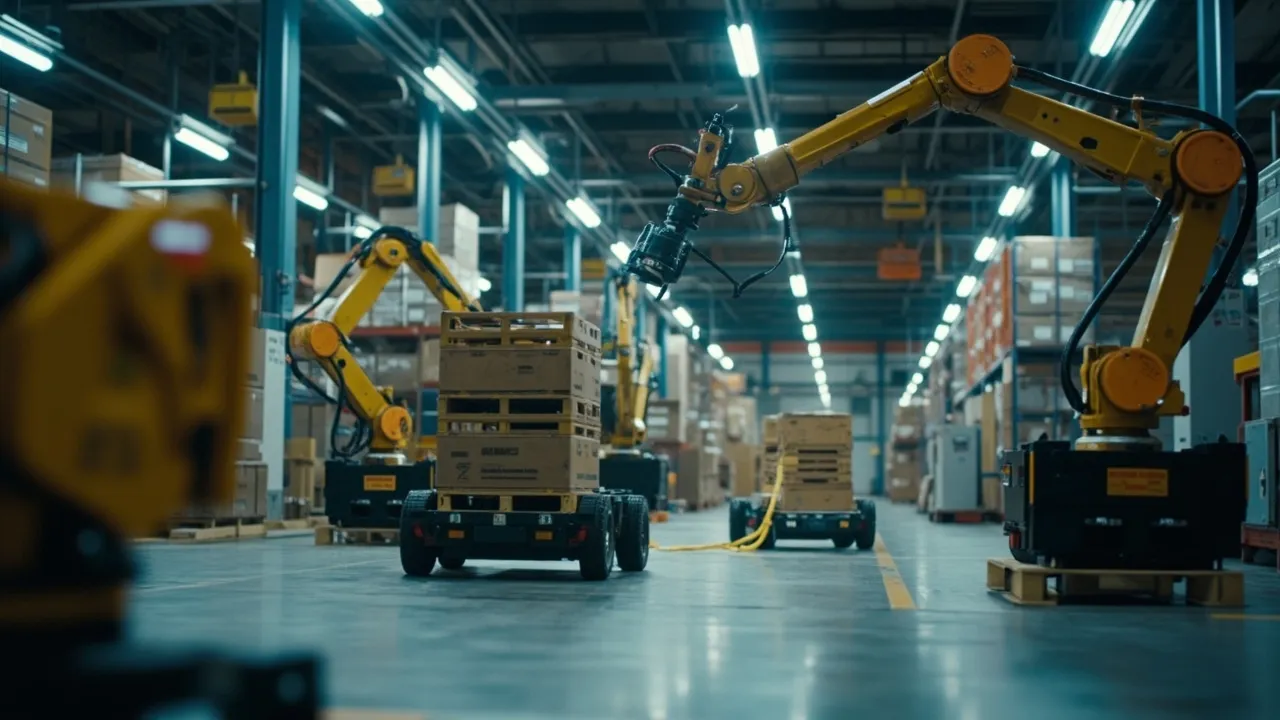
Comau and Omron Point to the Next Automation Requirement: Flexible Intralogistics, Not Fixed Lines
The Comau-Omron robotics collaboration shows why manufacturers and warehouses are prioritizing flexible intralogistics automation over fixed-line projects.
CXTMS InsightsMay 26, 2026 · 6 min read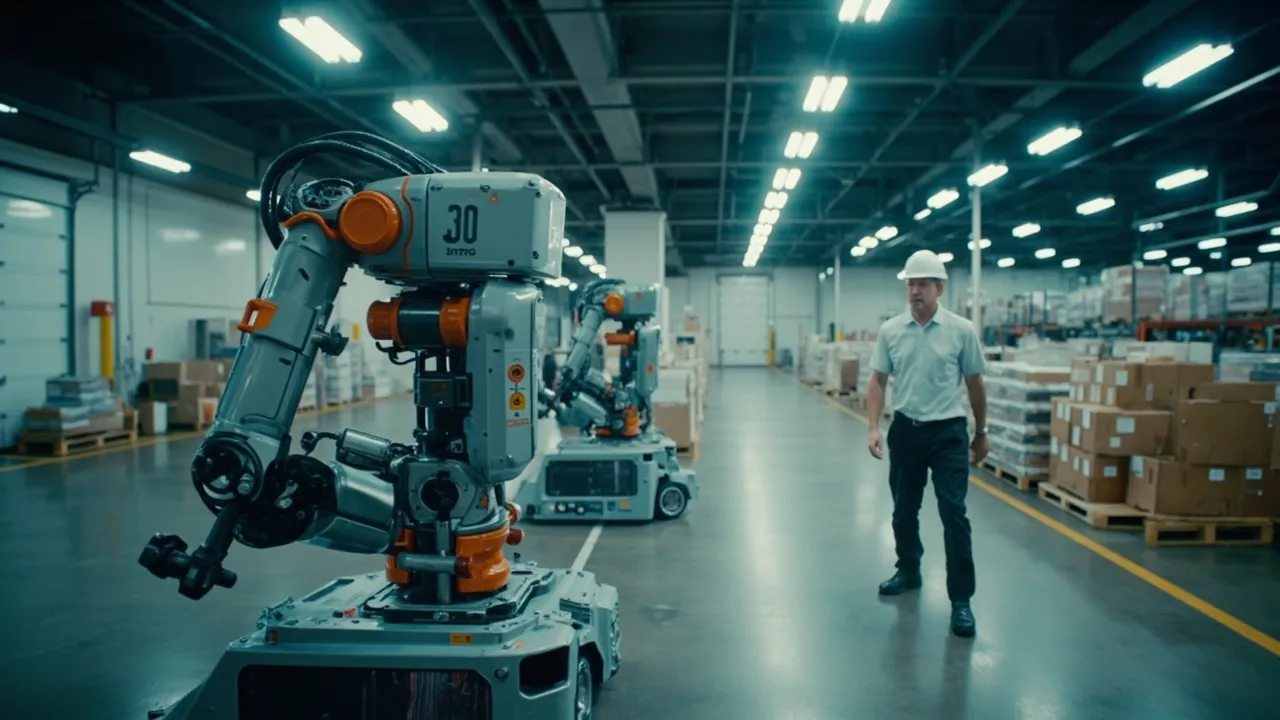
The Intralogistics Robotics Gap: 52% Run Robots, but First-Time Buyers Are Still Stuck in Education Mode
Warehouse robotics adoption is accelerating, but first-time buyers still need sharper business cases tied to labor, throughput, integration, and transportation promises.
CXTMS InsightsMay 9, 2026 · 6 min read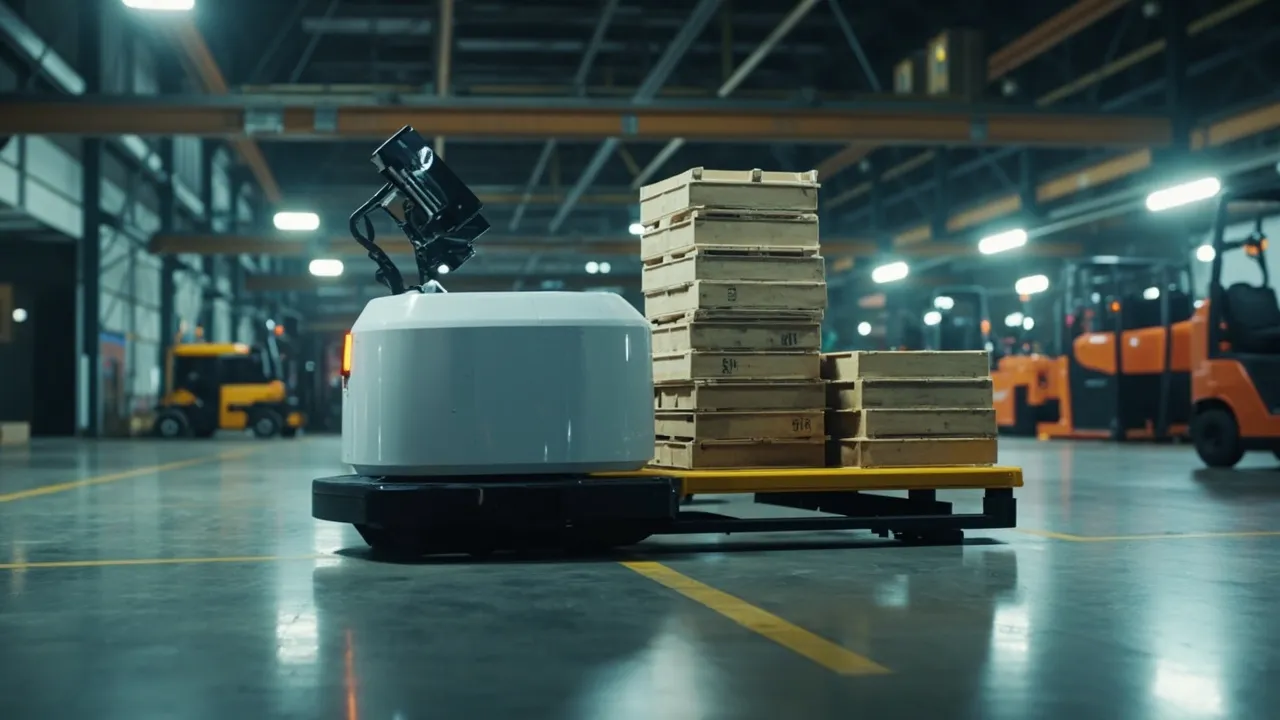
Mobile Cobots Meet AI Pallet Handling: Teradyne’s New Bet on Flexible Intralogistics Automation
Teradyne Robotics’ MC600 and MiR1200 show why warehouses are shifting toward flexible mobile automation that can handle pallet movement without fixed infrastructure.
CXTMS InsightsApril 25, 2026 · 6 min read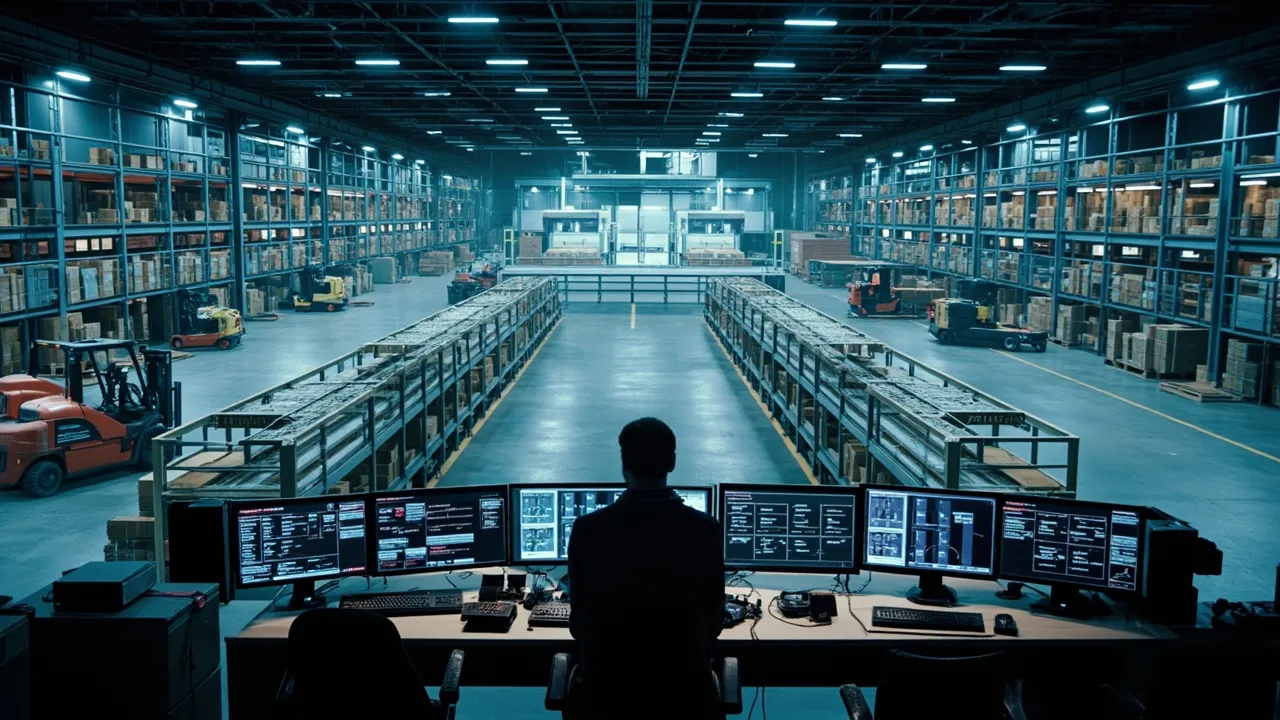
Siemens and KION Just Made the Strongest Case Yet for Software-Defined Intralogistics
The Siemens-KION partnership is a sharp signal that warehouse modernization is moving beyond isolated hardware buys toward software-defined intralogistics built on orchestration, visibility, and coordinated automation.
CXTMS InsightsApril 21, 2026 · 6 min read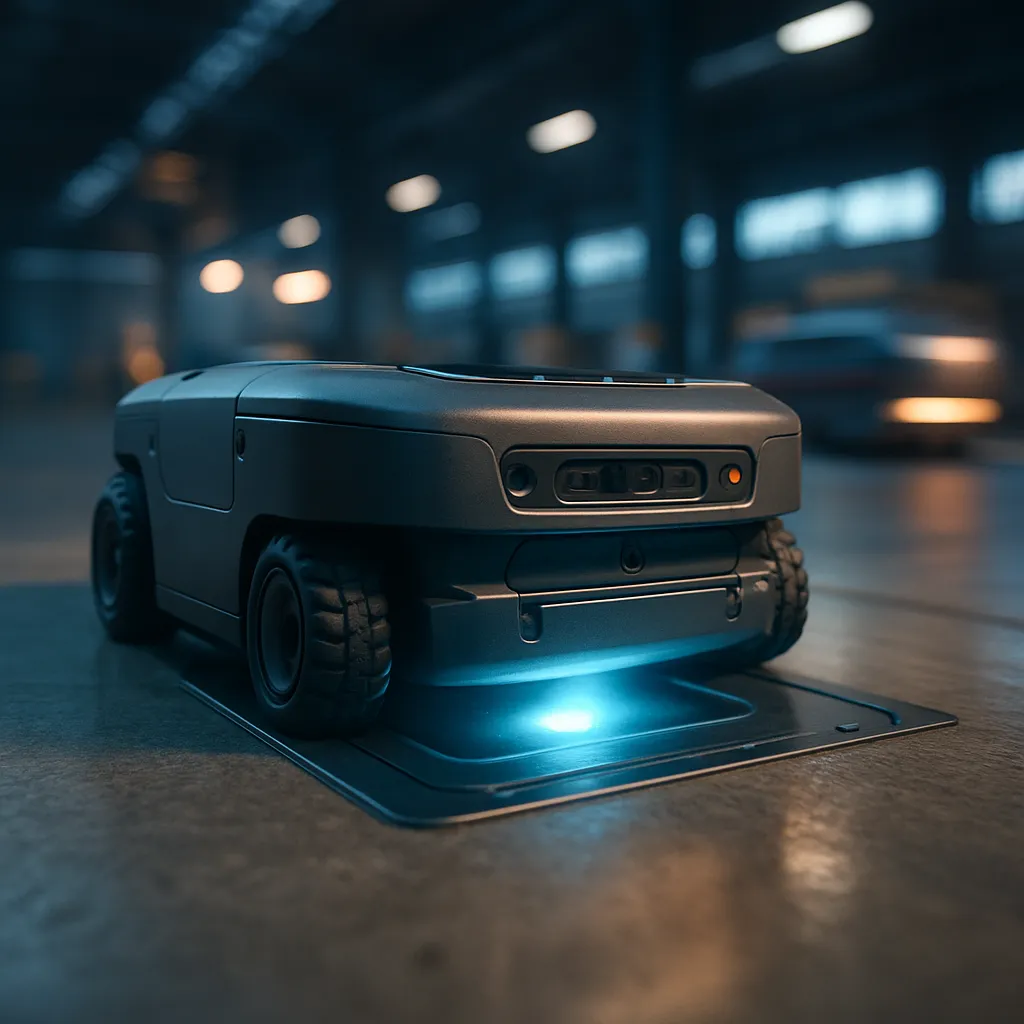
Wireless Inductive Charging for Warehouse AMRs: How Contactless Power Eliminates Robot Downtime in 24/7 Fulfillment Operations
Wireless inductive charging is eliminating the biggest hidden bottleneck in warehouse automation — battery downtime. Learn how contactless power pads from Wiferion, KUKA, and others are enabling true 24/7 AMR operations and what it means for fulfillment operations in 2026.
CXTMS InsightsMarch 24, 2026 · 6 min read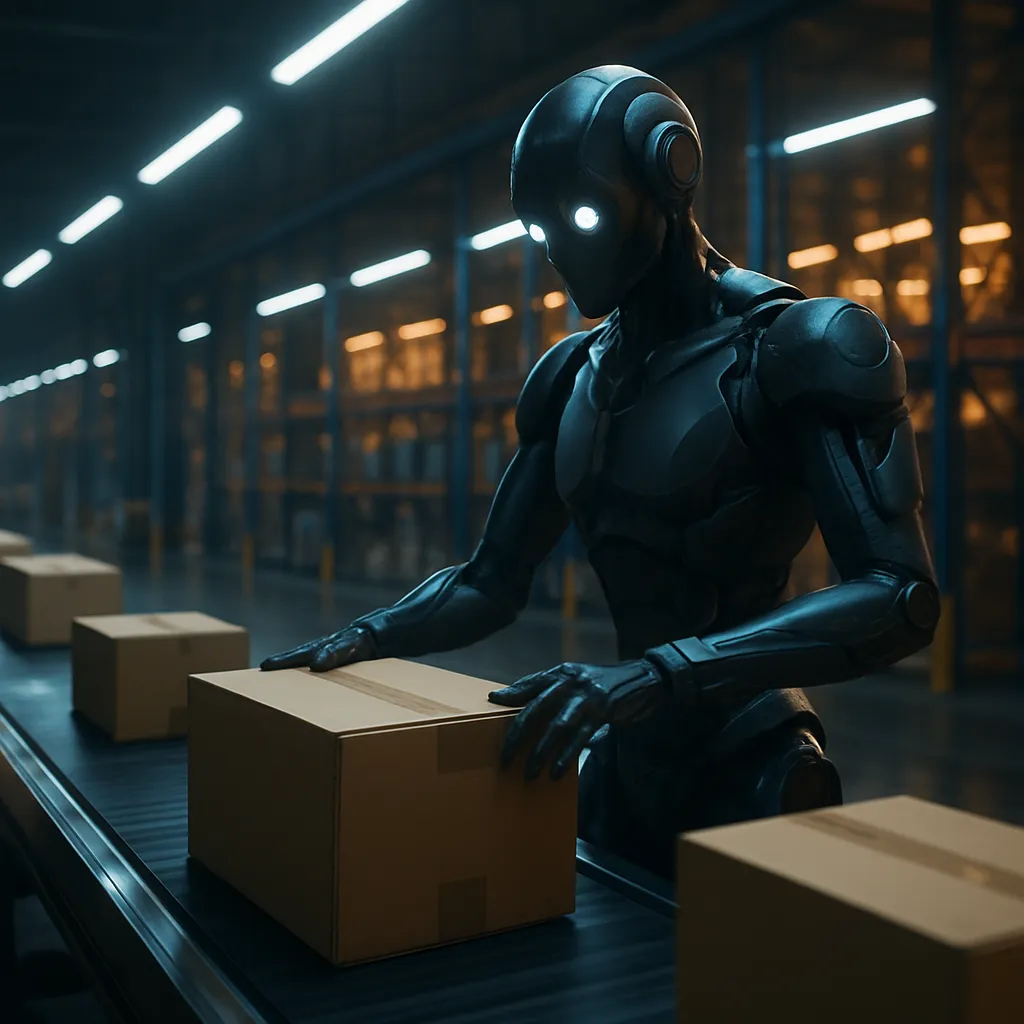
Humanoid Robots Enter the Warehouse: How Geekplus, Agility, and Toyota Are Deploying Bipedal Workers in Logistics
Geekplus debuted its Gino 1 humanoid at LogiMAT 2026, Toyota deployed seven Agility Digit robots in Canada, and the humanoid robot market is projected to hit $15 billion by 2030. Here's what logistics leaders need to know about bipedal warehouse workers.
CXTMS InsightsMarch 20, 2026 · 7 min read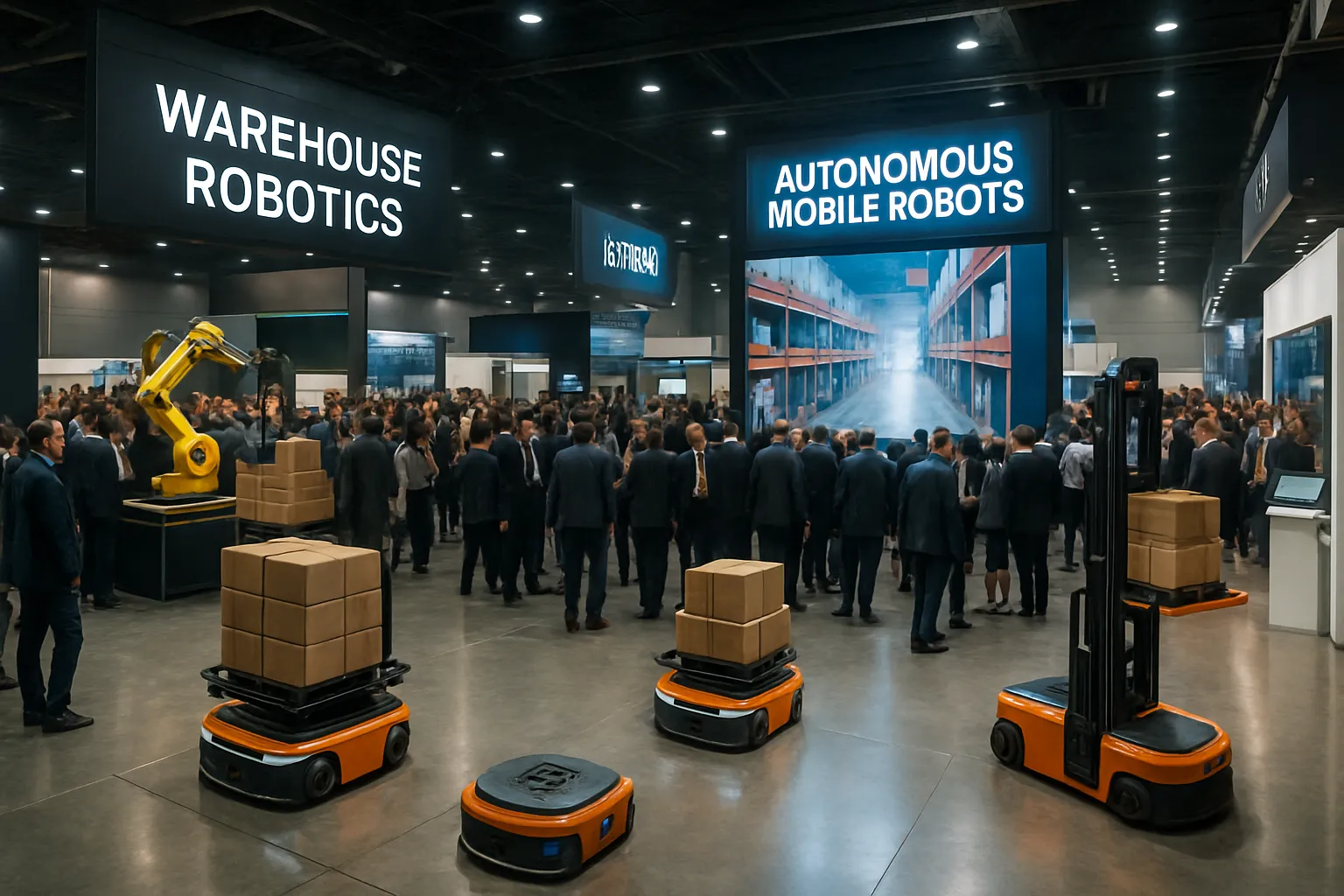
IntraLogisteX 2026 Preview: Five Warehouse Technologies to Watch at the UK's Largest Intralogistics Showcase
IntraLogisteX 2026 lands at NEC Birmingham on March 18-19 with 300+ exhibitors and four co-located shows. Here are five warehouse technologies logistics leaders should prioritize on the show floor.
CXTMS InsightsMarch 13, 2026 · 7 min read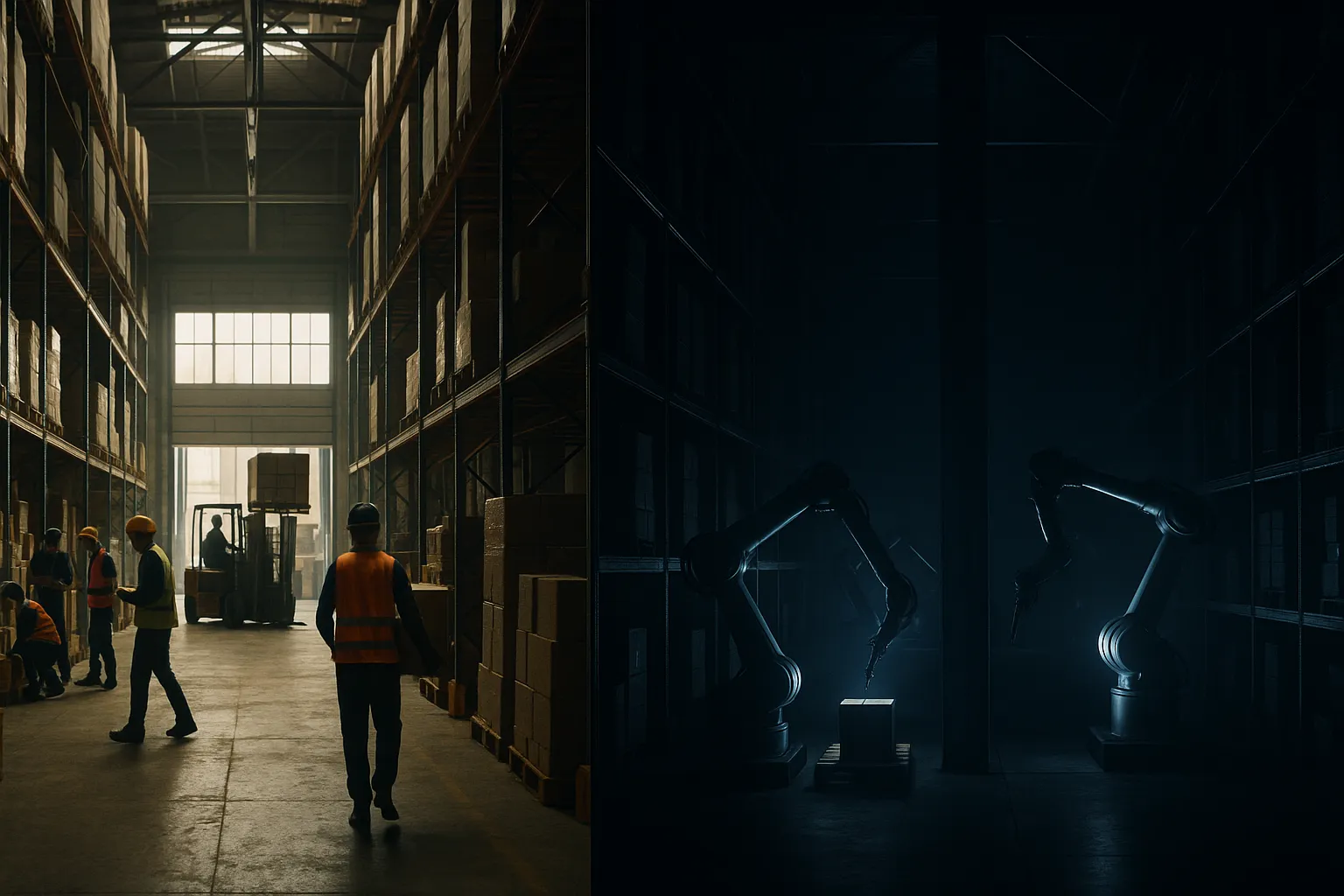
Material Handling Automation Reaches the Tipping Point: When Every Warehouse Will Go Dark
The lights-out warehouse isn't science fiction anymore. With $21 billion invested in 2023 and projections exceeding $90 billion by 2033, here's the timeline for when warehouse automation reaches full autonomy—and what shippers need to do now.
CXTMS InsightsMarch 1, 2026 · 6 min read