Insights
Industry insights, integration guides, and product updates from the CXTMS team.

AI in Manufacturing Security Is Getting Weird Fast, and Logistics Teams Are in the Blast Radius
Manufacturing AI security risk is no longer just an IT problem. Here is why adversarial AI, supplier cyber compliance, and production disruptions now belong in every logistics continuity plan.
 CXTMS InsightsApril 15, 20267 min read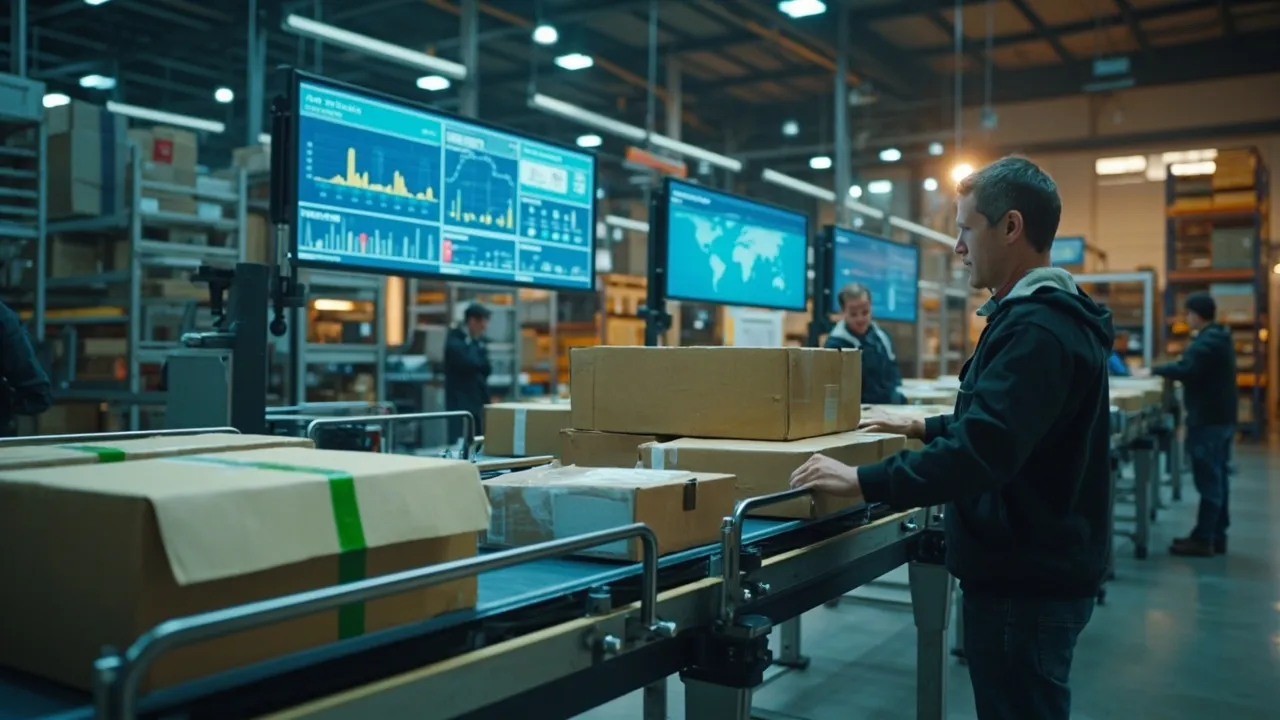
AI Is Finally Moving Into Packaging Operations, and That Matters More Than It Sounds
AI is moving from packaging pilots into real operations in 2026. Here is why packaging data, right-sized automation, and machine vision now matter for throughput, labor, damage, and parcel costs.
CXTMS InsightsApril 15, 2026 · 6 min read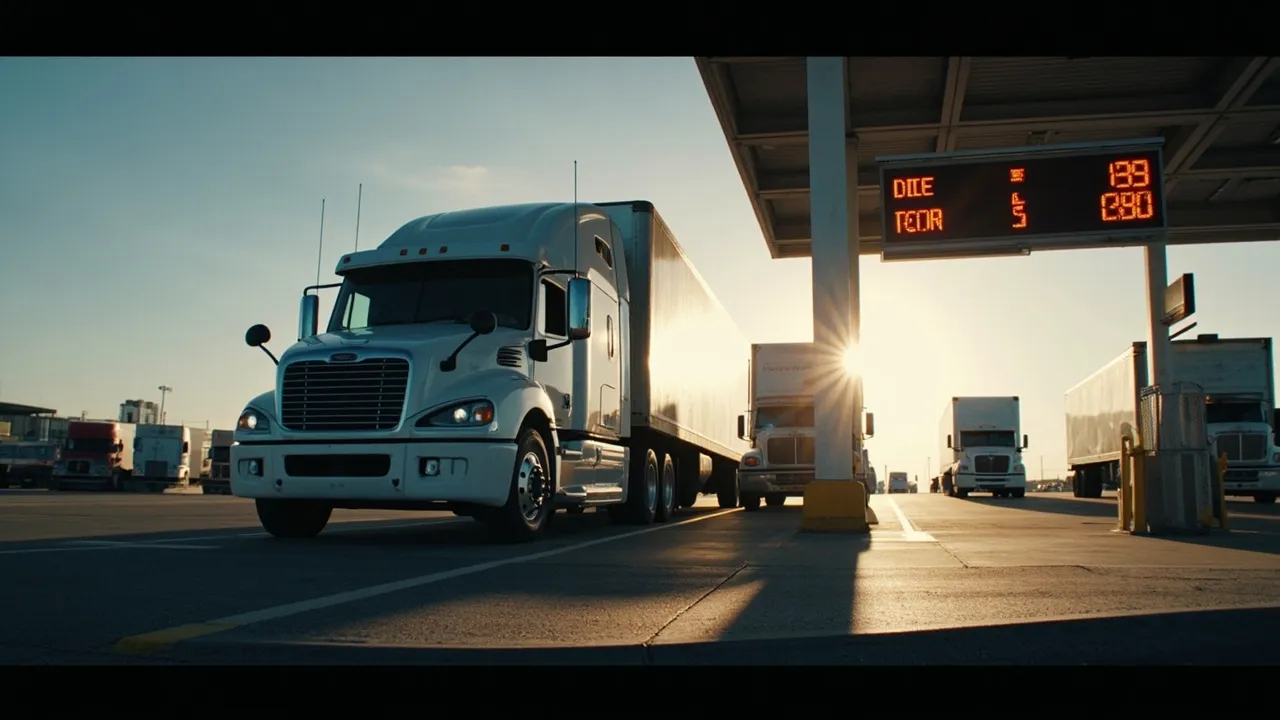
Diesel Above $5 Changes the Freight Math Again, Especially for Mid-Sized Carriers
Diesel above $5 per gallon is squeezing trucking margins again in 2026. Here is what that means for mid-sized carriers, shipper pricing, routing, and fuel-sensitive freight strategy.
CXTMS InsightsApril 15, 2026 · 7 min read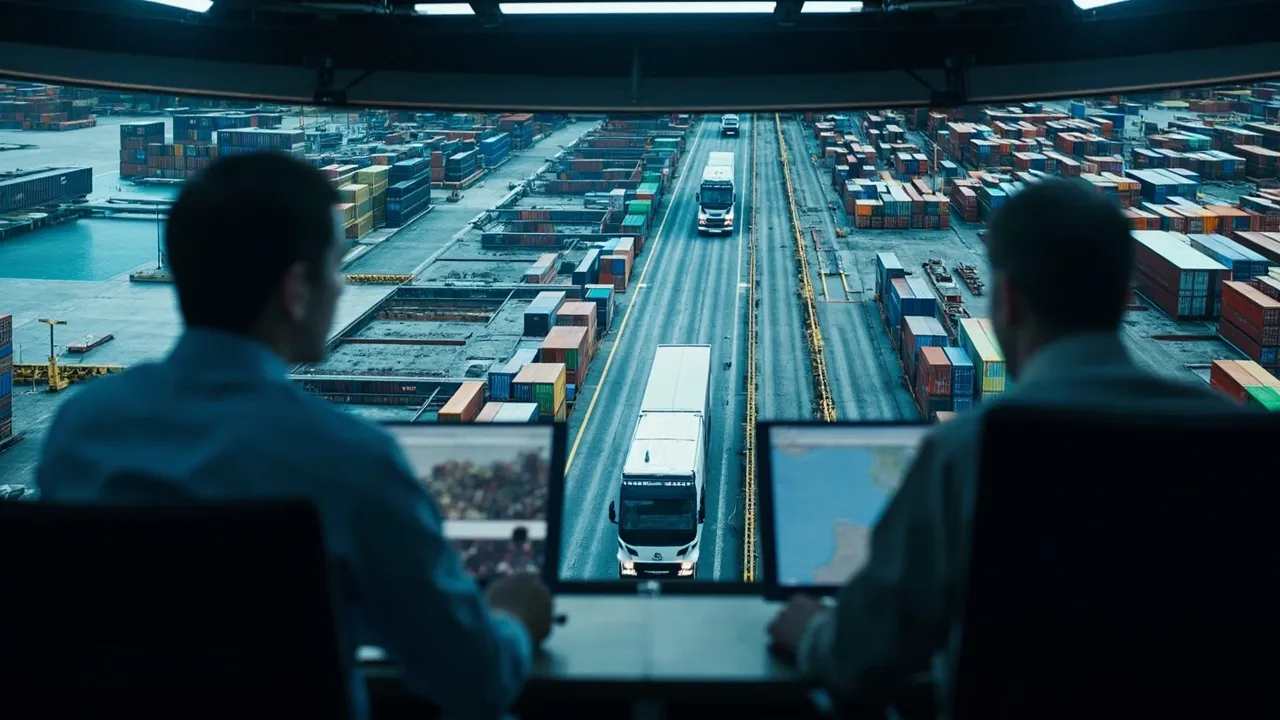
McKinsey’s Supply Chain Risk Pulse Survey Still Says the Same Thing: Visibility Without Buffers Is a Trap
McKinsey’s supply chain risk research shows a stubborn gap between visibility and true resilience. Companies can see more, but too many are still cutting buffers before their networks are actually ready.
CXTMS InsightsApril 15, 2026 · 6 min read
NRF’s 2026 Retail Sales Forecast Is a Logistics Story First, Not Just a Consumer Story
NRF’s 2026 retail outlook points to stronger consumer demand, but the real story is what that growth means for inventory placement, replenishment speed, parcel costs, and returns pressure across logistics networks.
CXTMS InsightsApril 15, 2026 · 6 min read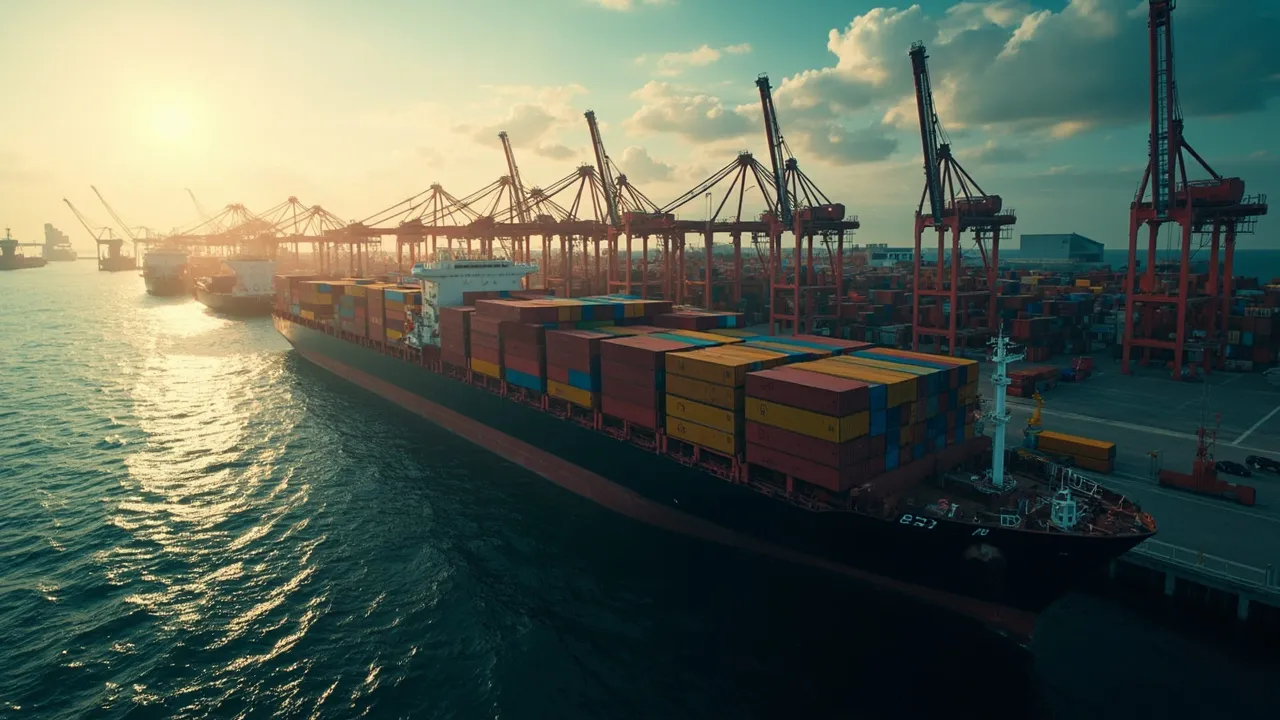
Shipbuilding Subsidies Won’t Fix Ocean Resilience Overnight, but the Debate Matters to Every Importer
Shipbuilding subsidies are back in the policy spotlight, but importers need a harder view of ocean resilience. Here is what the U.S. maritime push changes, what it does not, and where operators should focus now.
CXTMS InsightsApril 15, 2026 · 6 min read
What the Top 50 Trucking Companies Get Right in 2026, and Why Shippers Should Care
The biggest trucking carriers are not winning on scale alone. In 2026, the leaders are separating themselves through pricing discipline, service consistency, network breadth, and cultures that keep experienced people in the building.
CXTMS InsightsApril 15, 2026 · 5 min read
Warehouse Retention in 2026 Starts With the Building, Not Just the Hiring Plan
Warehouse retention in 2026 depends on more than wages. Lighting, ergonomics, temperature, noise, and automation-ready design now directly shape turnover, productivity, and operating resilience.
CXTMS InsightsApril 15, 2026 · 7 min read
Air Cargo Is Still the Shock Absorber, but the New Playbook Is Ocean-Air via Los Angeles
Air cargo is still absorbing global trade shocks in 2026, but rising rates and Middle East disruption are pushing shippers toward a more tactical model: ocean-air routings through Los Angeles.
CXTMS InsightsApril 14, 2026 · 6 min read
Defense Logistics at Scale: What a $2.3 Billion ChemPOL Contract Reveals About Chemical and Oil Supply Chain Discipline
A new $2.3 billion Defense Logistics Agency ChemPOL contract shows what disciplined chemical and packaged petroleum logistics really looks like, and why commercial shippers should copy more of it.
CXTMS InsightsApril 14, 2026 · 6 min read