Insights
Industry insights, integration guides, and product updates from the CXTMS team.

Q2 Freight Brokerage Rates Need a Strategy, Not a Guess
Q2 freight brokerage rates are moving through a capacity-sensitive market. Brokers and shippers need lane-level rate strategy, not static assumptions.
 CXTMS InsightsJune 4, 20267 min read
Lower Steel and Aluminum Tariffs Now Require Better Supplier Documentation
Steel and aluminum tariff relief for qualifying Canada and Mexico producers turns supplier documentation, HS codes, raw-material records, and shipment audit trails into daily logistics controls.
CXTMS InsightsJune 4, 2026 · 7 min read
Summer Logistics Pressure Is Forcing Shippers to Maximize Every Mile
Summer logistics pressure is pushing shippers toward denser consolidated loads, dynamic cutoffs, mode switching, and tighter exception planning.
CXTMS InsightsJune 4, 2026 · 7 min read
Automation Does Not Make Supply Chains Fragile. Bad Integration Does.
Supply chain automation only improves resilience when alerts, escalation paths, ownership, and freight execution workflows are integrated.
CXTMS InsightsJune 4, 2026 · 7 min read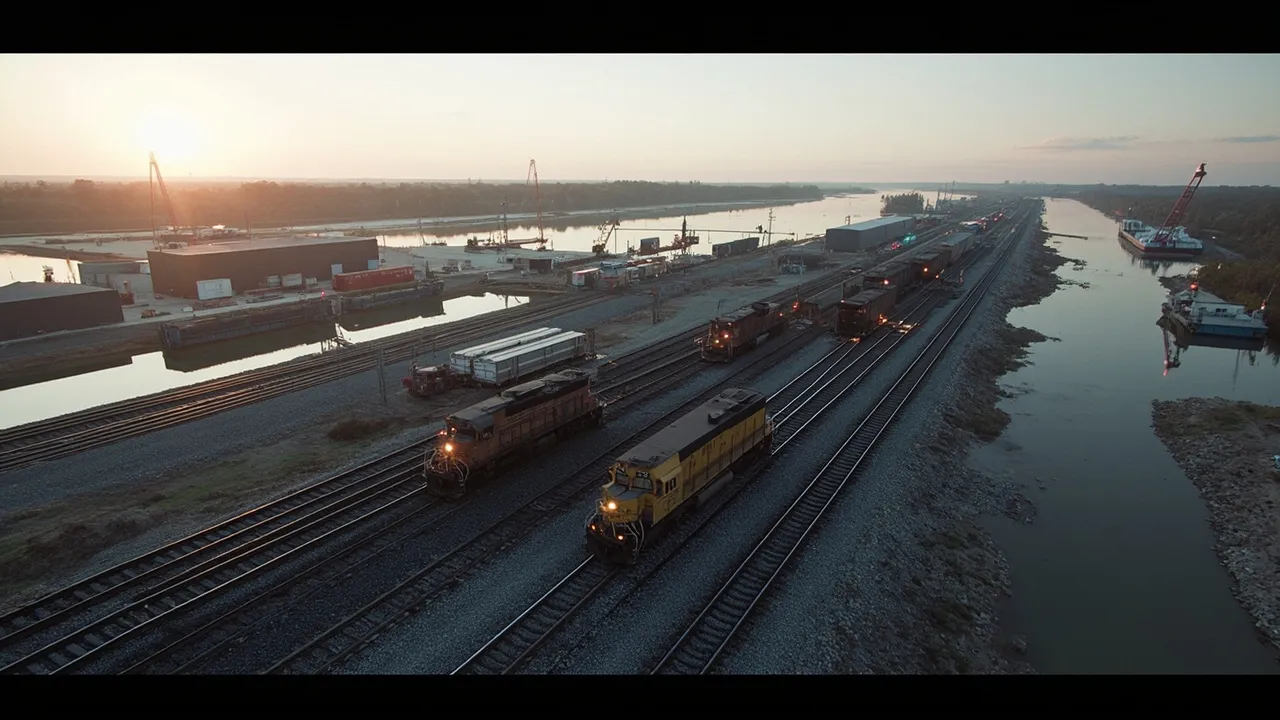
An Arkansas Port’s Rail Rebuild Shows Why Inland Ports Need Disaster-Ready Capacity Plans
An Arkansas inland port rail rebuild shows why shippers need disaster-ready capacity plans across rail-served nodes, transload partners, and alternate drayage.
CXTMS InsightsJune 2, 2026 · 6 min read
Autoliv’s Turkey Wind-Down Is a Reminder That Supplier Footprints Are Still Moving
Autoliv’s Turkey wind-down shows why supplier footprint changes still create logistics risk across qualification, inventory, customs, and expedite planning.
CXTMS InsightsJune 2, 2026 · 7 min read
Canada Post Labor Peace Moves Parcel Planning From Strike Risk to Service Design
Canada Post contract ratification removes an immediate labor risk, but parcel shippers still need carrier-tier rules, cutoff reviews, and contingency workflows.
CXTMS InsightsJune 2, 2026 · 6 min read
Green Supply Chain Programs Are Moving From ESG Claims to Operational Proof
Green logistics programs now need shipment-level proof across fuel, packaging, modal mix, facilities, and carrier performance—not just ESG claims.
CXTMS InsightsJune 2, 2026 · 7 min read
Heavy Air Cargo Is Becoming a Pressure Valve for Asia-to-US Industrial Supply Chains
Heavy air cargo is no longer just an emergency expedite option. Industrial shippers need clear rules for when air freight protects production, margin, tariff timing, and customer commitments.
CXTMS InsightsJune 2, 2026 · 7 min read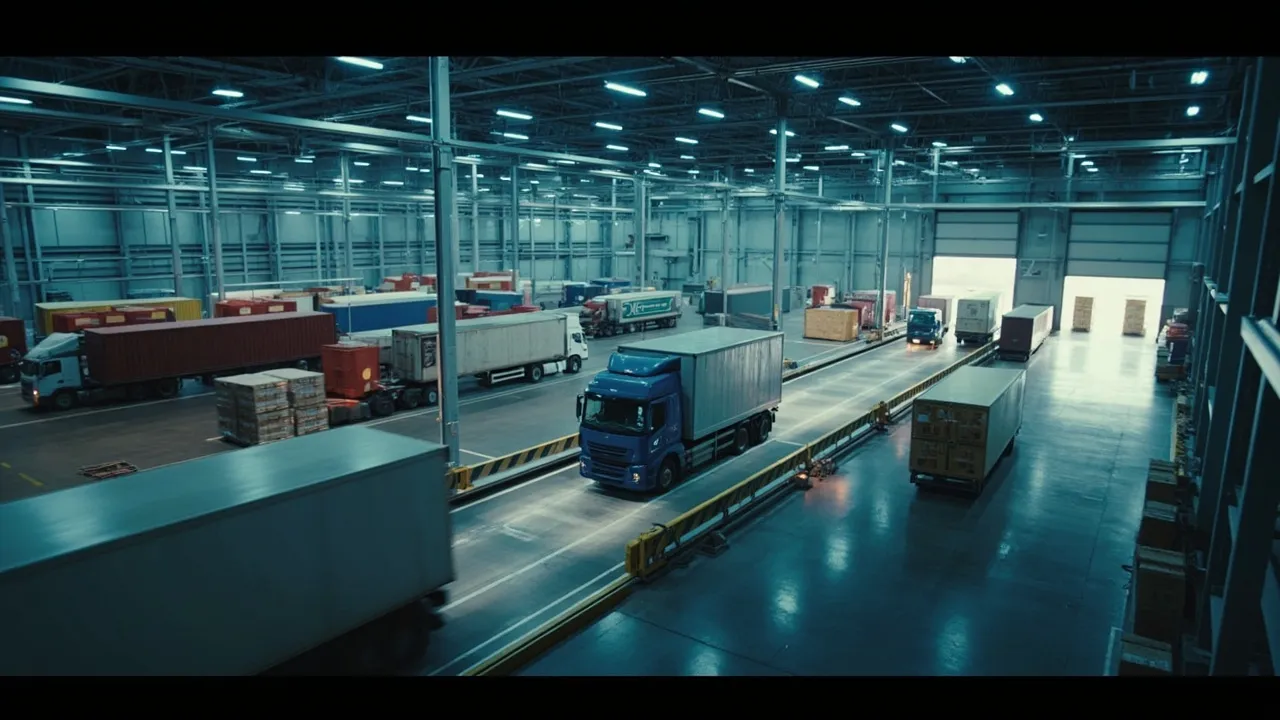
May Manufacturing PMI Hit 54. Freight Planners Should Watch the Production Signal, Not Just Orders.
May manufacturing PMI reached 54 as production and new orders expanded, giving freight planners an early signal to tighten lane forecasts and supplier-delivery workflows.
CXTMS InsightsJune 2, 2026 · 7 min read