Intermodal
47 posts tagged with “Intermodal”

Capacity Attrition Is Pushing Freight Toward Rail: Govern the IMC–3PL Handoff
Truck capacity attrition can make intermodal attractive without a freight boom. Learn how shippers, 3PLs, IMCs, drayage carriers, and railroads should govern every handoff.
 CXTMS InsightsAugust 31, 2026 · 6 min read

BNSF's Faster Phoenix Intermodal Service Turns Barstow Into a Southwest Freight Hub
BNSF's faster Phoenix intermodal service and planned Barstow gateway are reshaping Southwest freight options. Learn how shippers should compare rail, drayage, inventory time, and truck alternatives.
CXTMS InsightsAugust 27, 2026 · 6 min read
Trans-Pacific Gateway Arbitrage: When West Coast Savings Survive Inland Freight
A practical total-landed-cost model shows when lower Trans-Pacific rates through U.S. West Coast ports still win after rail, drayage, dwell, inventory, and disruption costs.
CXTMS InsightsAugust 26, 2026 · 6 min read
Fuel Shock Mode Switching: When Intermodal Savings Survive the Extra Handoffs
A door-to-door threshold model shows when higher diesel prices make intermodal worthwhile after drayage, inventory, and handoff risk are counted.
CXTMS InsightsAugust 25, 2026 · 6 min read
RoadOne’s Charleston Expansion Puts Drayage Acquisition Integration to the Test
Turn a Charleston drayage acquisition into reliable capacity with disciplined data, service baselines, phased lane migration, and rollback controls.
CXTMS InsightsAugust 24, 2026 · 6 min read
Americold’s Port Saint John Network Needs One Cold-Chain Handoff Standard
Learn how a shared temperature, seal, timestamp, and exception record can protect cold-chain integrity across Port Saint John’s warehouse, port, and rail handoffs.
CXTMS InsightsAugust 20, 2026 · 6 min read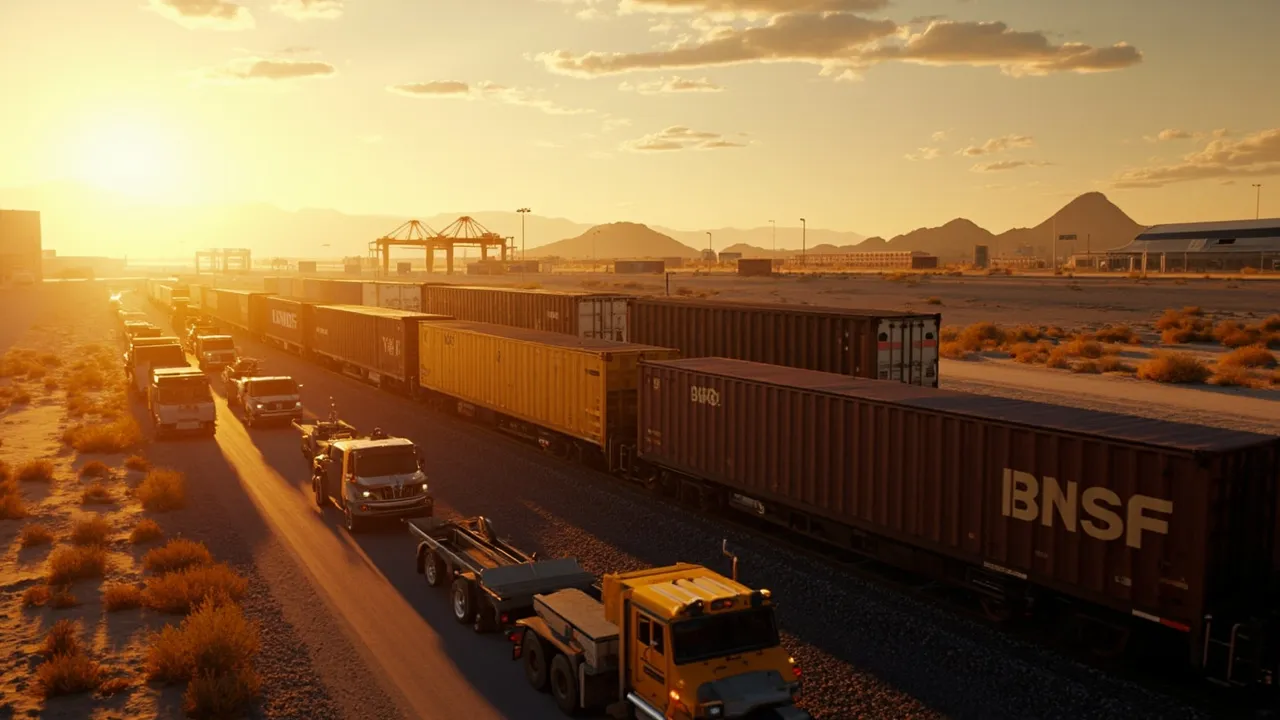
BNSF’s Phoenix–North Texas Intermodal Expansion Creates a New Southwest Routing Option
Evaluate BNSF’s expanded Phoenix–North Texas intermodal service with a routing-guide test covering transit, cutoffs, drayage, reliability, and total landed cost.
CXTMS InsightsAugust 19, 2026 · 6 min read
Rail and Truck Volumes Both Rose 4.4%: Measure Modal Substitution Lane by Lane
Matching 4.4% rail and truck volume growth does not mean modes are moving in lockstep. Learn how to score modal substitution by lane, service, cost, inventory, and emissions.
CXTMS InsightsAugust 14, 2026 · 5 min read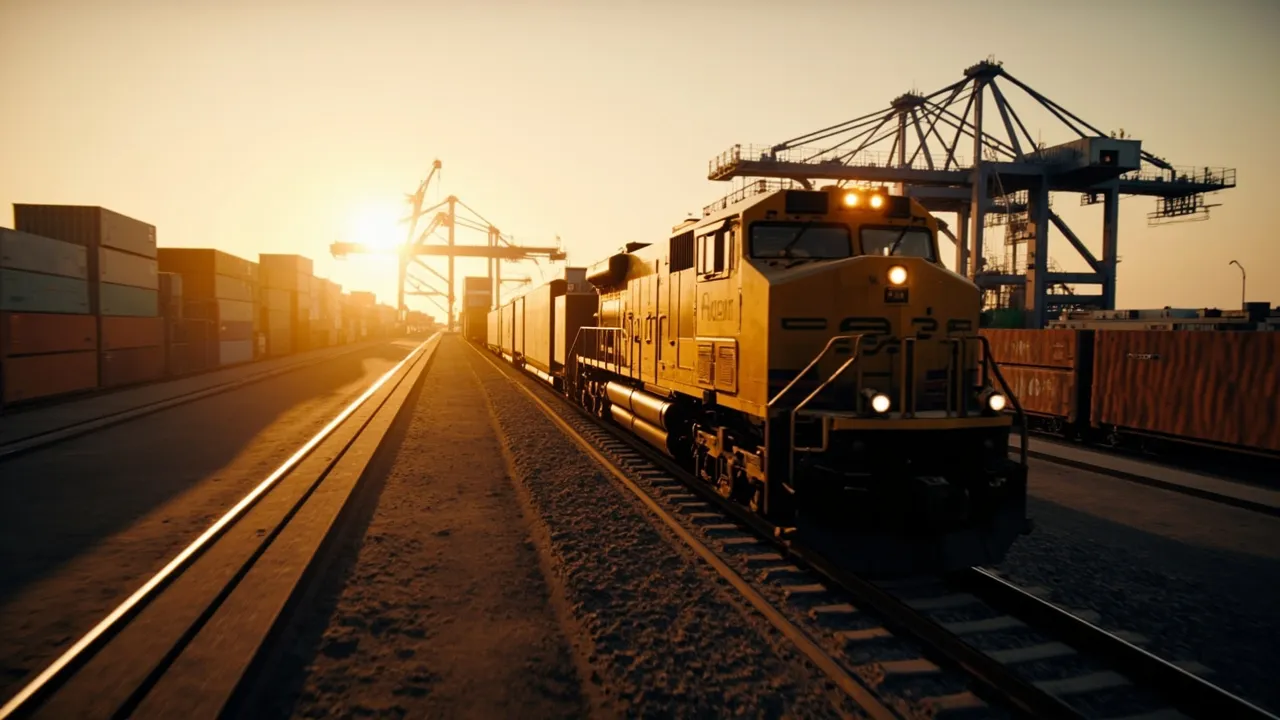
Long Beach's Pier B Plan Targets 24-Hour Rail Dwell: How to Measure the Gateway Payoff
Pier B promises more on-dock rail capacity and 24-hour dwell, but importers need shipment-level baselines to verify the gateway payoff.
CXTMS InsightsAugust 13, 2026 · 6 min read
Rail Traffic Rose 2.4%, but the Carload-Intermodal Split Is the Signal Shippers Need
U.S. rail traffic grew 2.4% while carloads declined. Learn how shippers can use the carload-intermodal split to guide capacity and mode decisions.
CXTMS InsightsAugust 7, 2026 · 6 min read