Food Logistics
61 posts tagged with “Food Logistics”

Del Monte's $40M Ocean Freight Headwind Shows Food Importers Need Cost Shock Controls
Del Monte's ocean freight cost warning shows why food importers need landed-cost triggers that connect freight volatility to inventory, pricing, promotions, and margin forecasts.
 CXTMS InsightsJune 30, 2026 · 6 min read
Green Coffee Cost Relief Still Needs a Freight and Inventory Translation Layer
Lower green coffee commodity costs can support food margin recovery, but only when procurement, freight, inventory, and pricing windows stay connected.
CXTMS InsightsJune 28, 2026 · 7 min read
Animal Welfare Is Becoming a Supplier Risk Metric, Not Just an ESG Statement
Animal welfare failures now create supplier risk across procurement, logistics, cold chain, contracts, and compliance evidence trails.
CXTMS InsightsJune 19, 2026 · 7 min read
Canada’s Food Supply Chain Probe Turns Grocery Inflation Into a Logistics Question
Canada’s food supply chain probe shows why grocery inflation depends on logistics, transportation, processing capacity, and cost-to-serve visibility—not just shelf pricing.
CXTMS InsightsJune 19, 2026 · 6 min read
EU Food Supply Chain Rules Could Make Farm-Gate Cost Data a Logistics Input
New EU reforms forcing food prices to reflect actual production costs will ripple into transportation, cold-chain, and procurement operations — requiring logistics teams to handle cost transparency data they've historically ignored.
CXTMS InsightsJune 17, 2026 · 5 min read
Food Packaging Is Becoming a Safety-Control Point, Not Just a Cost Line
Food packaging decisions now affect traceability, recall scope, warehouse handling, and supplier-change risk across food logistics networks.
CXTMS InsightsJune 16, 2026 · 6 min read
Grocery Traceability Is Becoming Recall Scope Optimization, Not Just Compliance
Grocery traceability is shifting from regulatory recordkeeping to recall scope optimization, where clean freight, lot, container, and temperature data limit disruption.
CXTMS InsightsJune 15, 2026 · 7 min read
Perishable Inventory Visibility Is the Next Food Logistics Cost Lever
Perishable inventory visibility is becoming a practical cost lever for food logistics teams managing shelf life, reefer capacity, replenishment, and recalls.
CXTMS InsightsJune 6, 2026 · 7 min read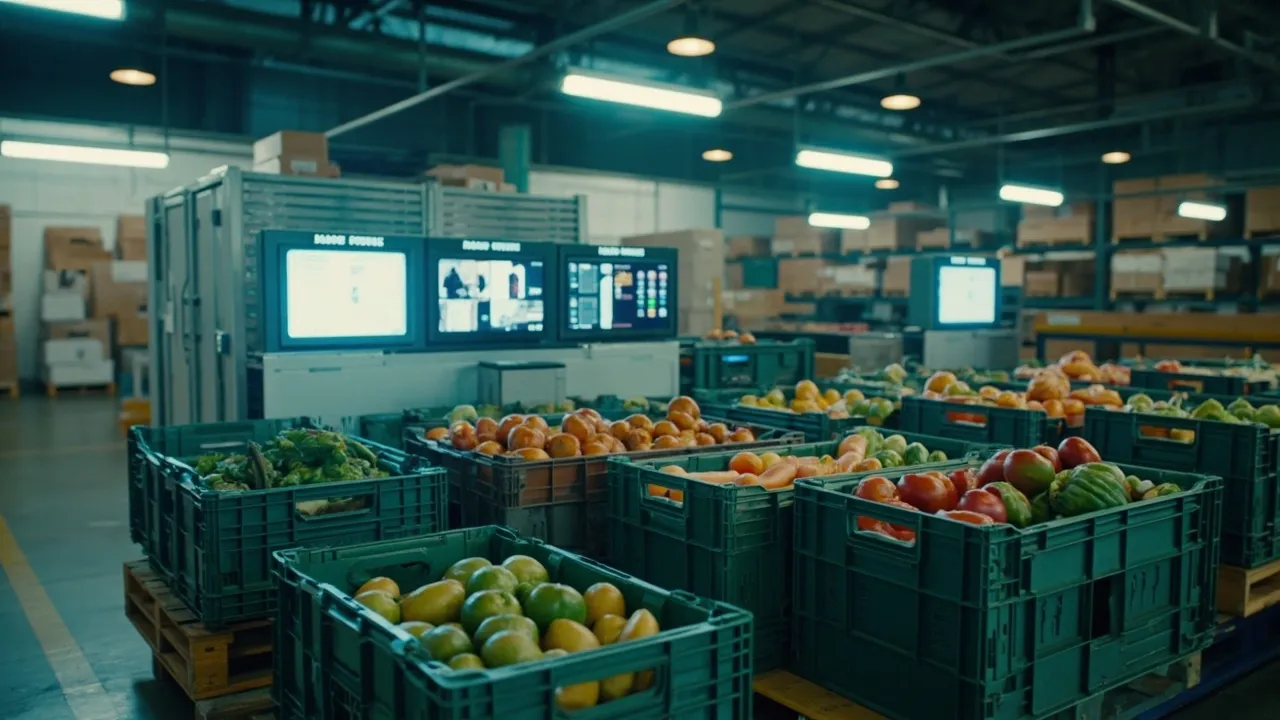
Adaptive Machine Learning Could Make Grocery Recalls Smaller, Faster, and Cheaper
Adaptive machine learning is turning grocery traceability into an execution discipline that can narrow recall scope, reduce waste, and control reverse logistics cost.
CXTMS InsightsJune 5, 2026 · 6 min read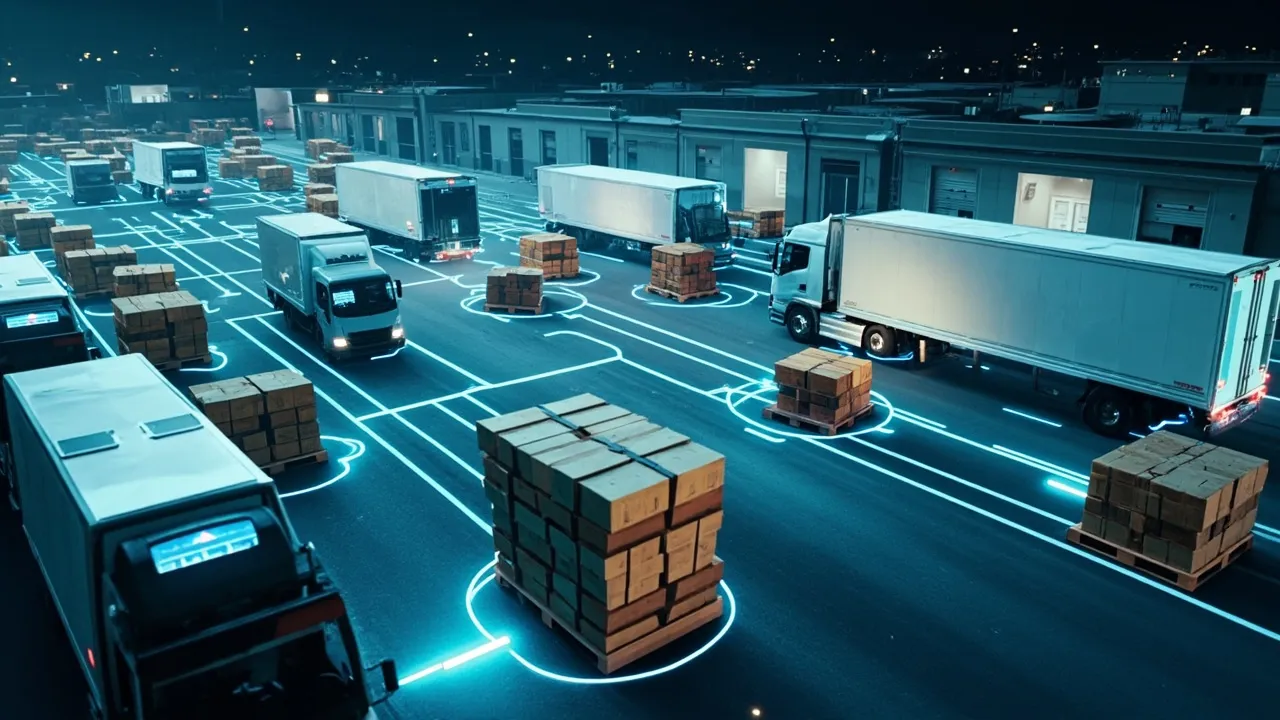
Cold Chain Mapping Has to Move Faster Than the Network Changes
Cold chain mapping is no longer a static planning exercise. Food logistics teams need live network visibility across storage, reefer capacity, dwell risk, and partner performance.
CXTMS InsightsJune 4, 2026 · 6 min read