Insights
Industry insights, integration guides, and product updates from the CXTMS team.

ISM’s 2026 Expansion Forecast Means Freight Demand Could Return Unevenly, Not Smoothly
ISM’s 2026 manufacturing and services expansion forecast points to stronger demand, but freight planners should expect lane-level volatility rather than a smooth rebound.
 CXTMS InsightsJune 24, 20267 min read

Logistics M&A Is Moving From Scale Plays to Scarce Control Points
Transportation and logistics dealmaking is shifting toward scarce control points like cold chain, ports, cross-border infrastructure, dedicated fleets, and AI-enabled visibility.
CXTMS InsightsJune 24, 2026 · 6 min read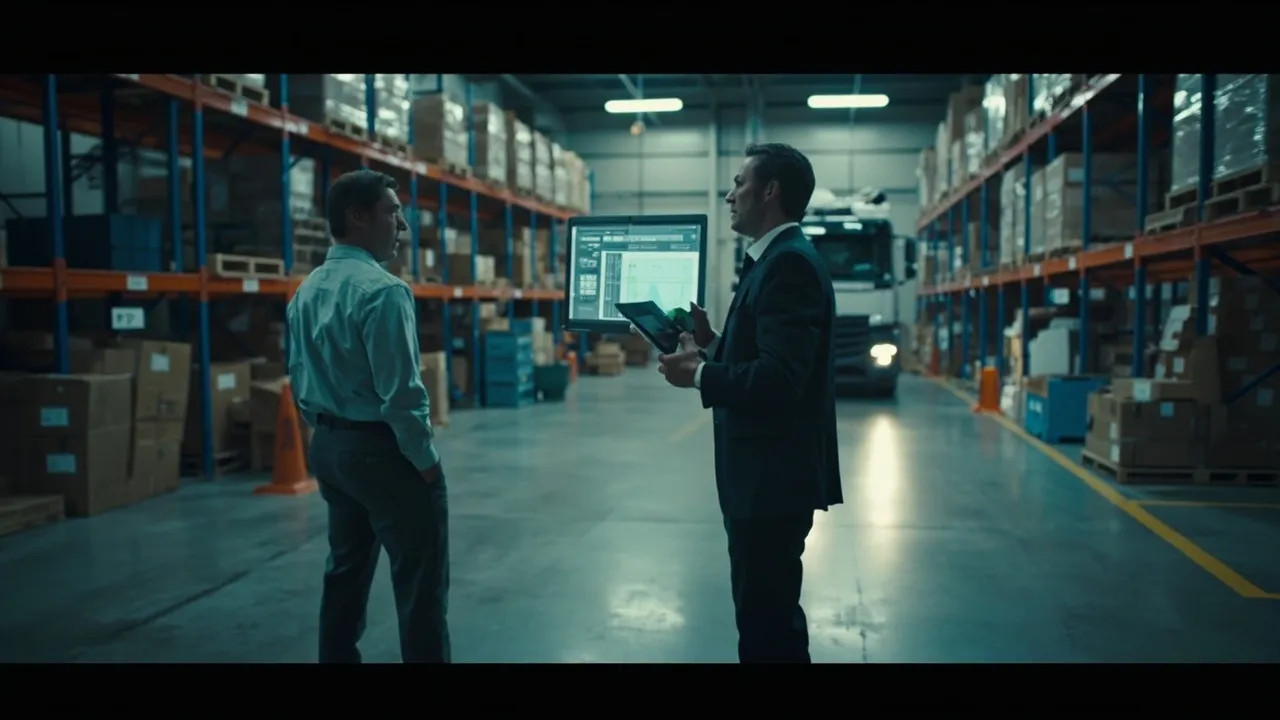
Manufacturers Are Still Investing Through Inflation. Logistics Teams Need Inventory Placement Discipline.
Manufacturers are still investing despite inflation and rate uncertainty. Logistics teams need sharper inventory placement, forecast refreshes, and exception-ready freight execution.
CXTMS InsightsJune 24, 2026 · 7 min read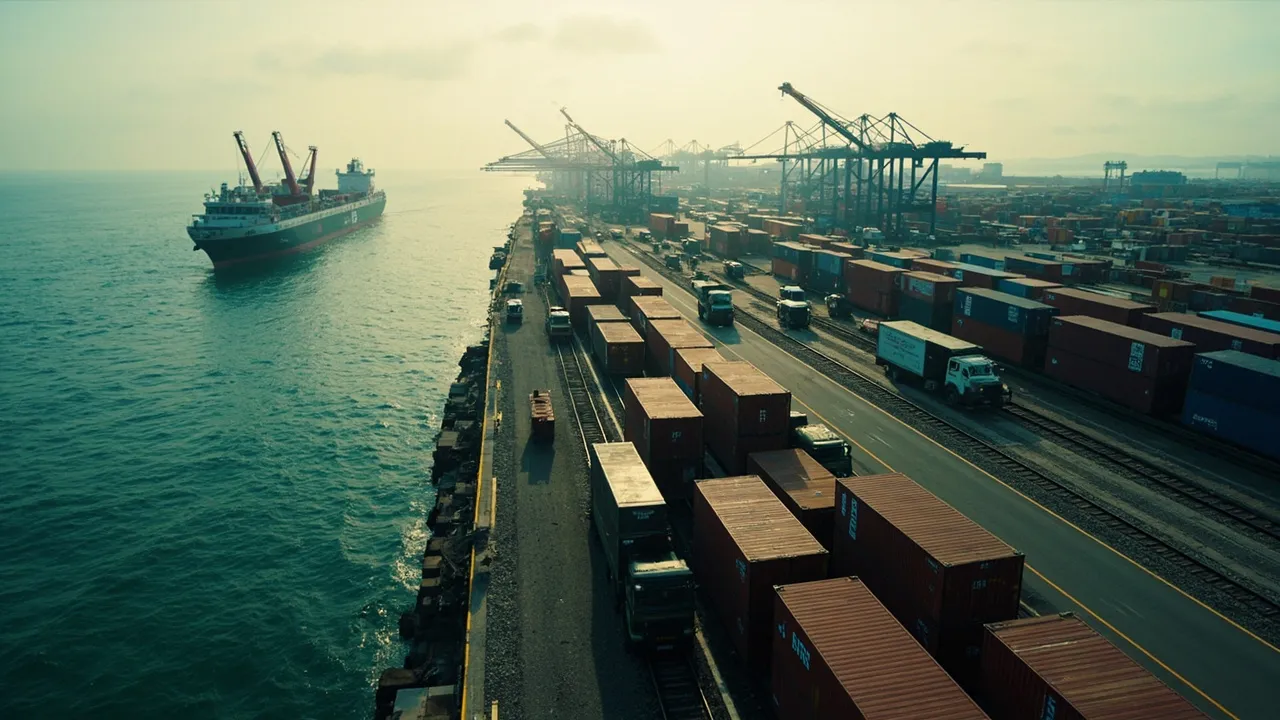
Mexico’s Panama Canal Alternative Could Become a Real Multimodal Option — If Execution Catches Up
Mexico’s Interoceanic Corridor is not a Panama Canal replacement, but it could become a useful optionality layer for selected multimodal freight flows.
CXTMS InsightsJune 24, 2026 · 6 min read
Harley-Davidson's Reshoring Move Shows Production Geography Is Now a Freight Planning Variable
Harley-Davidson's U.S. production shift shows why reshoring is a freight planning variable, not just a manufacturing headline.
CXTMS InsightsJune 23, 2026 · 7 min read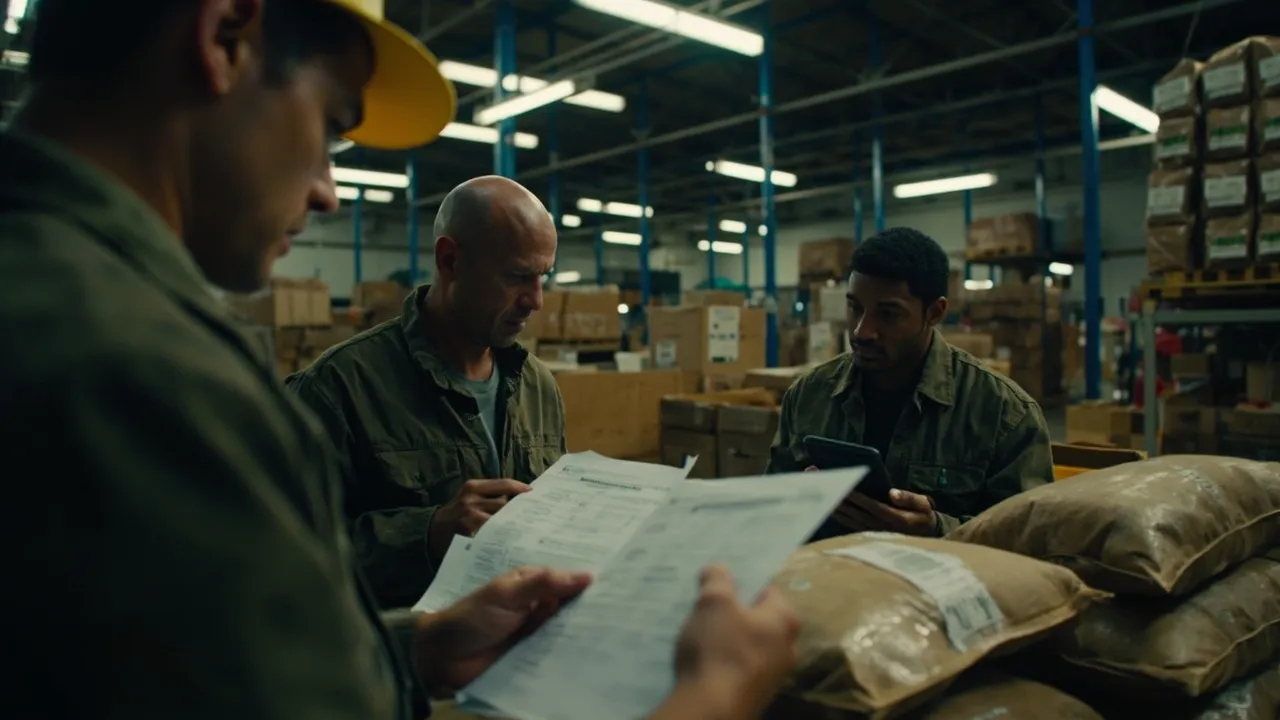
U.K. Deforestation Rules Will Turn Origin Proof Into a Daily Procurement-Control Workflow
The U.K.'s deforestation rules show why commodity origin proof now has to connect procurement, customs, and transportation execution.
CXTMS InsightsJune 23, 2026 · 6 min read
Accepted Truckload Volume May Be the Cleaner Freight Demand Signal Shippers Need
Accepted truckload volume gives shippers a cleaner read on freight that actually moves, helping procurement teams separate demand from routing-guide noise.
CXTMS InsightsJune 22, 2026 · 7 min read
AI Hallucination Risk Is the Supply Chain Control Problem Nobody Can Ignore
AI hallucinations, weak data foundations, and missing approval controls are turning supply chain automation into a governance problem for logistics teams.
CXTMS InsightsJune 22, 2026 · 7 min read
Autonomous Freight Pilots Are Moving From Demo Lanes to Live Network Design
Autonomous freight deployments from PepsiCo, Volvo, AVI-SPL, DHL, and Zelostech show why shippers should plan autonomous lanes as live network capacity, not technology theater.
CXTMS InsightsJune 22, 2026 · 7 min read
CDL Training Hubs Are Becoming Terminal Infrastructure, Not Just Workforce Programs
CDL training hubs at freight terminals show why driver development is becoming part of network design, regional capacity planning, and carrier compliance governance.
CXTMS InsightsJune 22, 2026 · 6 min read