Insights
Industry insights, integration guides, and product updates from the CXTMS team.

E-Commerce Is Rewiring Freight Networks Again, and It’s Not Just a Last-Mile Story
E-commerce demand is reshaping parcel, LTL, trucking, and store-based fulfillment at once, forcing shippers to redesign freight networks around omnichannel speed and margin control.
 CXTMS InsightsApril 12, 20266 min read
The First Sale Rule Is Back in the Spotlight. Importers Need a Smarter Customs-Valuation Playbook.
As tariff pressure rises in 2026, the First Sale rule is giving some importers a legal way to lower duty exposure, but only if their documentation and governance are airtight.
CXTMS InsightsApril 12, 2026 · 7 min read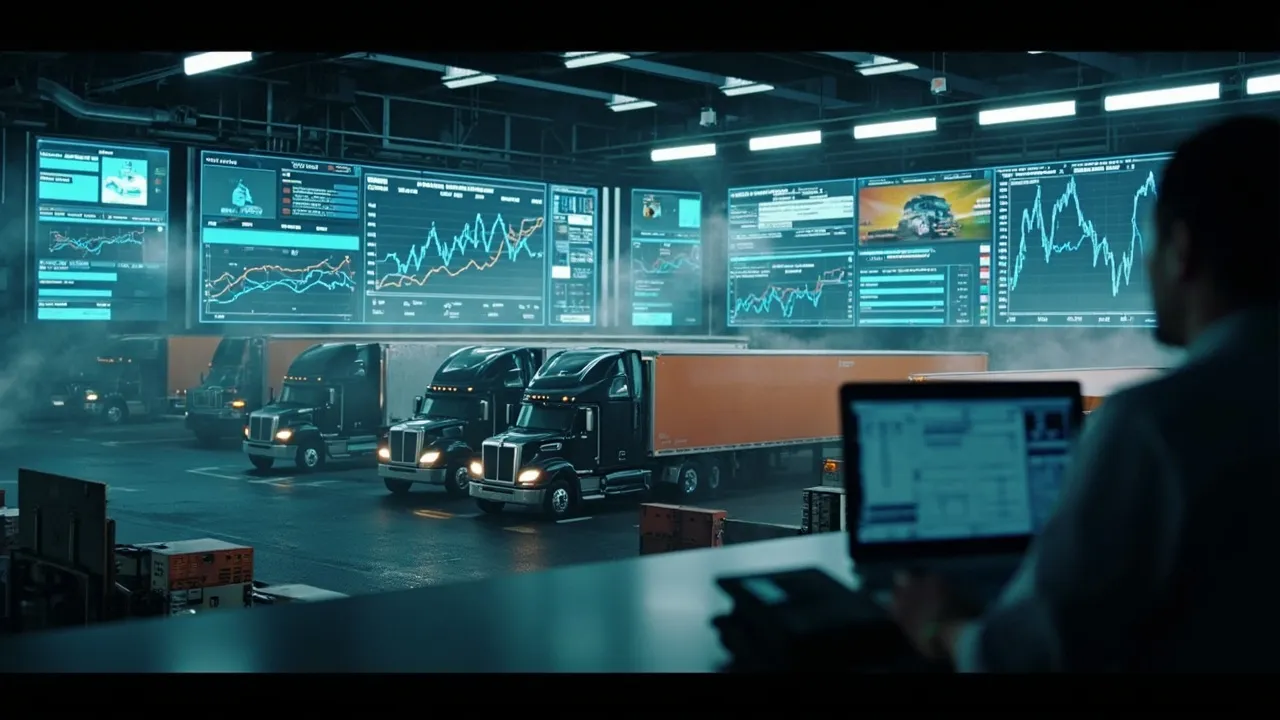
Freight Capacity Is Tight Again. The March 2026 LMI Inversion Says the Calm Is Over.
March 2026 LMI data shows transportation capacity contracting to 39.2 while pricing surges to 89.4, a sharp warning that truckload conditions are tightening fast again.
CXTMS InsightsApril 12, 2026 · 6 min read
2026’s Real Supply Chain Risk Is Operational Fatigue: More Disruption, More AI, More Compliance at Once
Operational fatigue is becoming the defining supply chain risk of 2026 as disruption, AI adoption, and compliance pressure stack on top of already stretched teams.
CXTMS InsightsApril 12, 2026 · 7 min read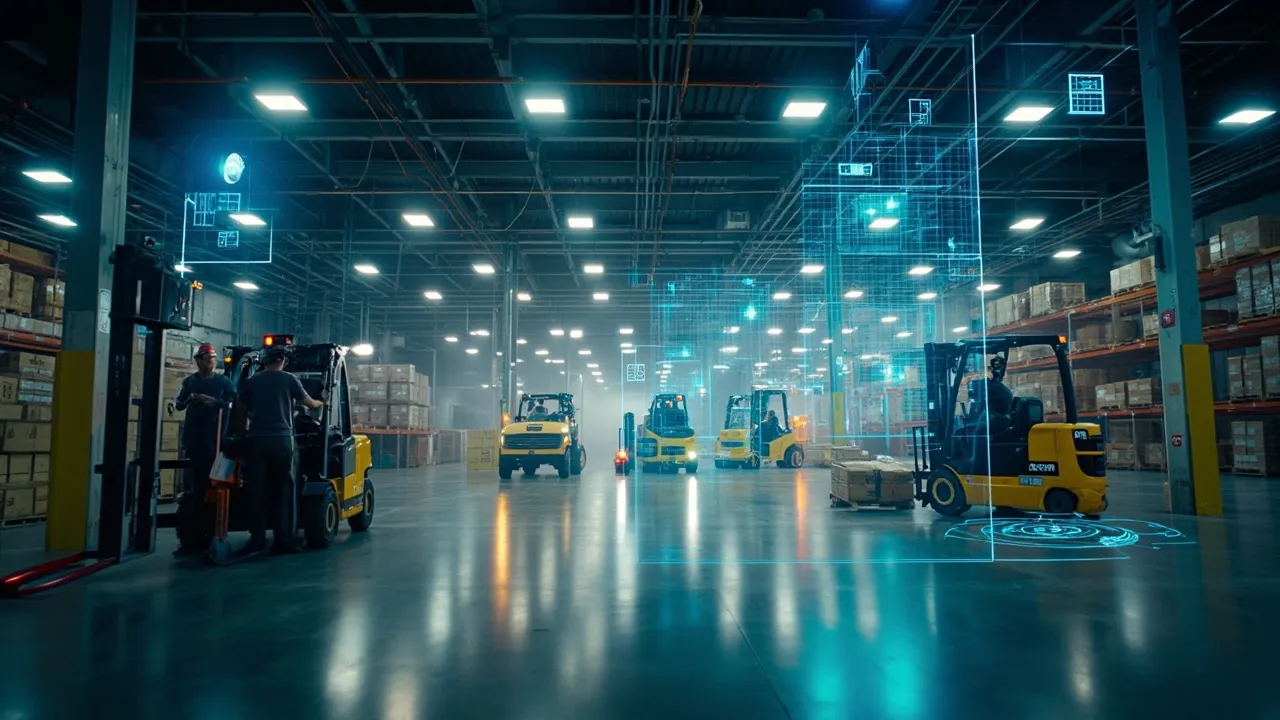
Warehouses Need Better Data at the Edge: Why Real-Time Capture Is Becoming the Next Productivity Layer
Real-time edge data capture is moving warehouses beyond delayed scans, giving operators sharper visibility, faster exception response, and better handoffs into transportation execution.
CXTMS InsightsApril 12, 2026 · 6 min read
Transportation Infrastructure Is Getting Smarter, Not Just Bigger: Deloitte’s 2026 Signal for Logistics Leaders
Deloitte’s 2026 transportation outlook points to a freight network where digital twins, AI governance, and shared data matter as much as physical capacity expansion.
CXTMS InsightsApril 12, 2026 · 6 min read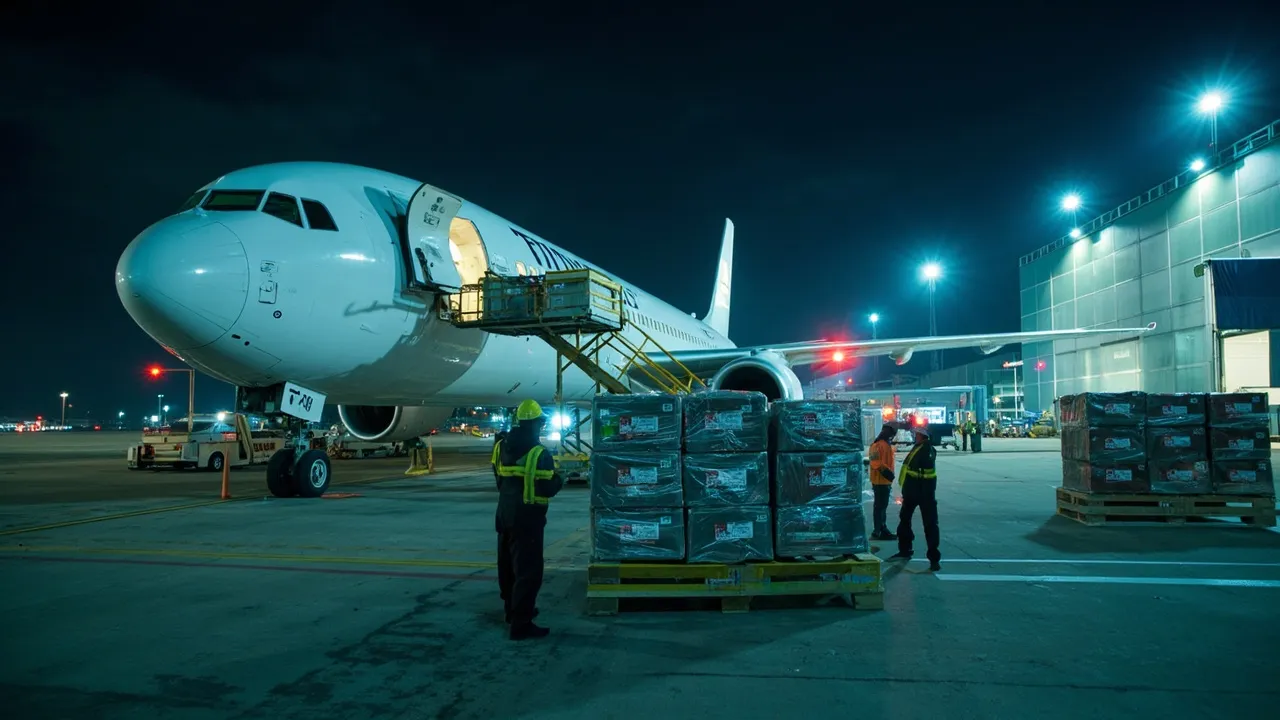
UPS’s $100 Million Taiwan Hub Shows How Semiconductor Logistics Is Becoming a Premium Freight Discipline
UPS’s new Taiwan hub is more than a network expansion. It shows how semiconductor freight is turning into a premium logistics discipline built around speed, precision, and capacity control.
CXTMS InsightsApril 12, 2026 · 6 min read
Disaster Logistics Is Still Too Reactive. ALAN’s 2026 Survey Wants to Quantify the Gaps.
ALAN’s fourth annual Humanitarian Logistics Survey is a useful reality check for operators who still treat emergency freight planning as an afterthought instead of a core resilience discipline.
CXTMS InsightsApril 11, 2026 · 6 min read
China and South Korea Just Built a Supply Chain Hotline for Rare Earths, Batteries, and Chips
China and South Korea have agreed to activate direct communication channels during logistics delays or raw material shortages, a move with real implications for rare earths, batteries, and semiconductor supply chains.
CXTMS InsightsApril 11, 2026 · 7 min read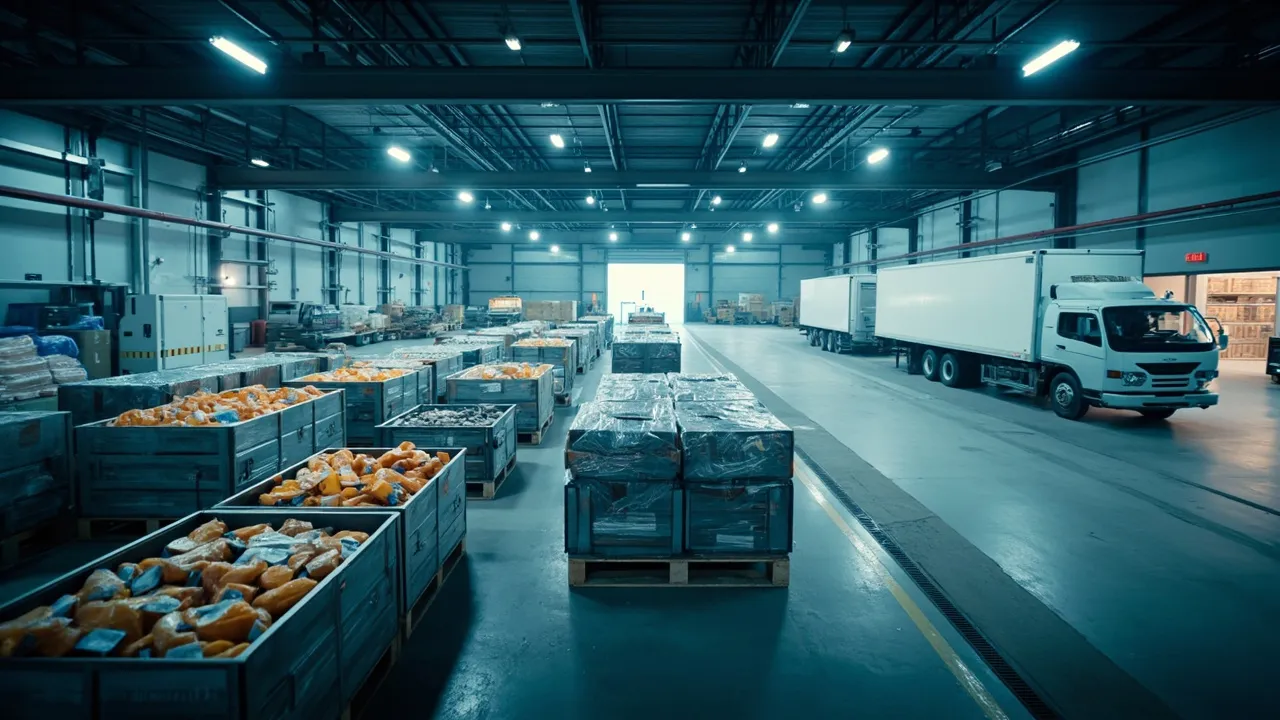
Hormel’s AI Planning Platform Spans 70 Sites. Food Shippers Should Steal the Playbook.
Hormel rolled out AI planning across more than 70 dry and refrigerated sites. The move says a lot about what modern food logistics now requires.
CXTMS InsightsApril 11, 2026 · 6 min read