Insights
Industry insights, integration guides, and product updates from the CXTMS team.
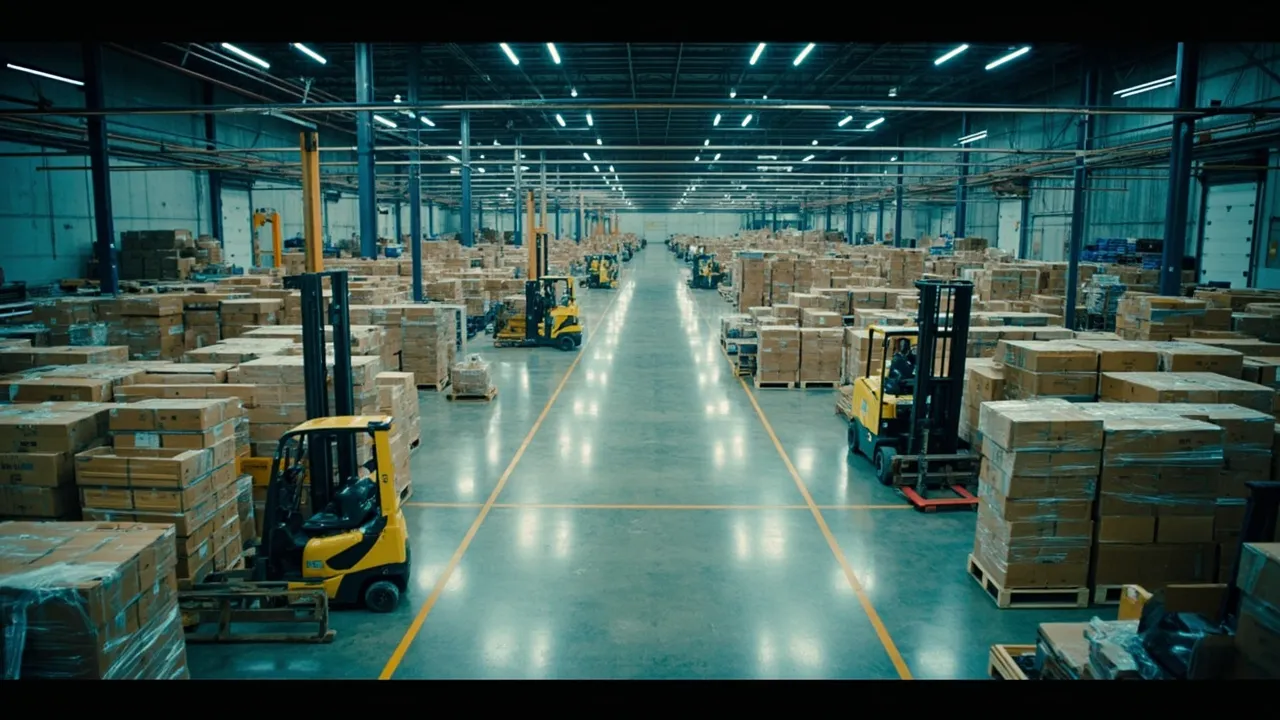
Amazon’s China Distribution Center for U.S.-Bound Seller Inventory Could Rewire Cross-Border Fulfillment in 2026
Amazon’s new Shenzhen distribution center gives sellers a cheaper upstream storage option and faster replenishment into the U.S., a move that could reshape cross-border inventory strategy in 2026.
 CXTMS InsightsApril 22, 20266 min read
Home Depot’s Simpl Deal Shows Retailers Want Warehouse Automation They Can Actually Operationalize
Home Depot’s acquisition of Simpl Automation shows why retailers are prioritizing targeted warehouse automation that improves pick speed, cycle times, and storage density without betting the operation on a giant greenfield rebuild.
CXTMS InsightsApril 22, 2026 · 6 min read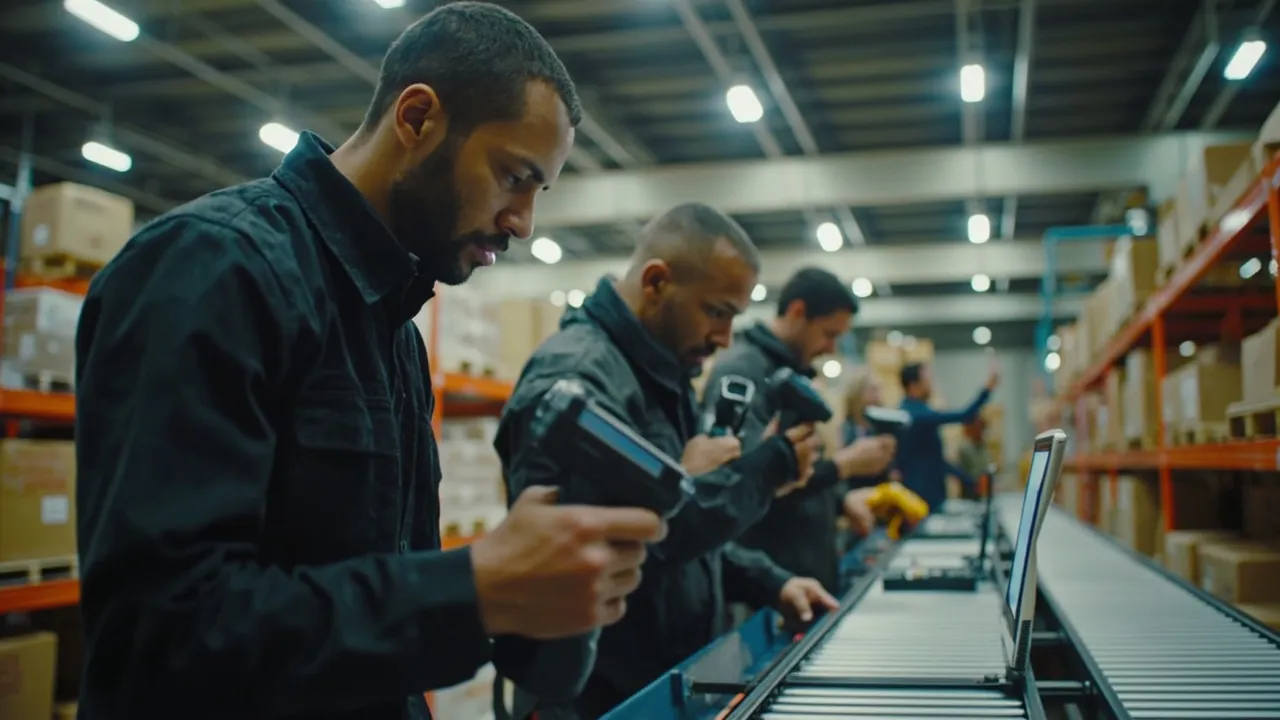
Honeywell’s Productivity Solutions Sale Signals a Warehouse Tech Portfolio Reset in 2026
Honeywell’s $1.4 billion sale of its Productivity Solutions and Services business to Brady shows warehouse technology vendors are narrowing focus, while buyers need harder questions on support, integration, and roadmap durability.
CXTMS InsightsApril 22, 2026 · 6 min read
The IMO’s Hormuz Evacuation Planning Shows Maritime Risk Has Moved From Surcharge to Systemic Threat
The IMO’s contingency planning for ships stranded in the Persian Gulf shows how Hormuz disruption is no longer just a fuel-cost problem. It is now a network continuity risk touching vessel routing, energy markets, carrier pricing, and importer contingency planning.
CXTMS InsightsApril 22, 2026 · 6 min read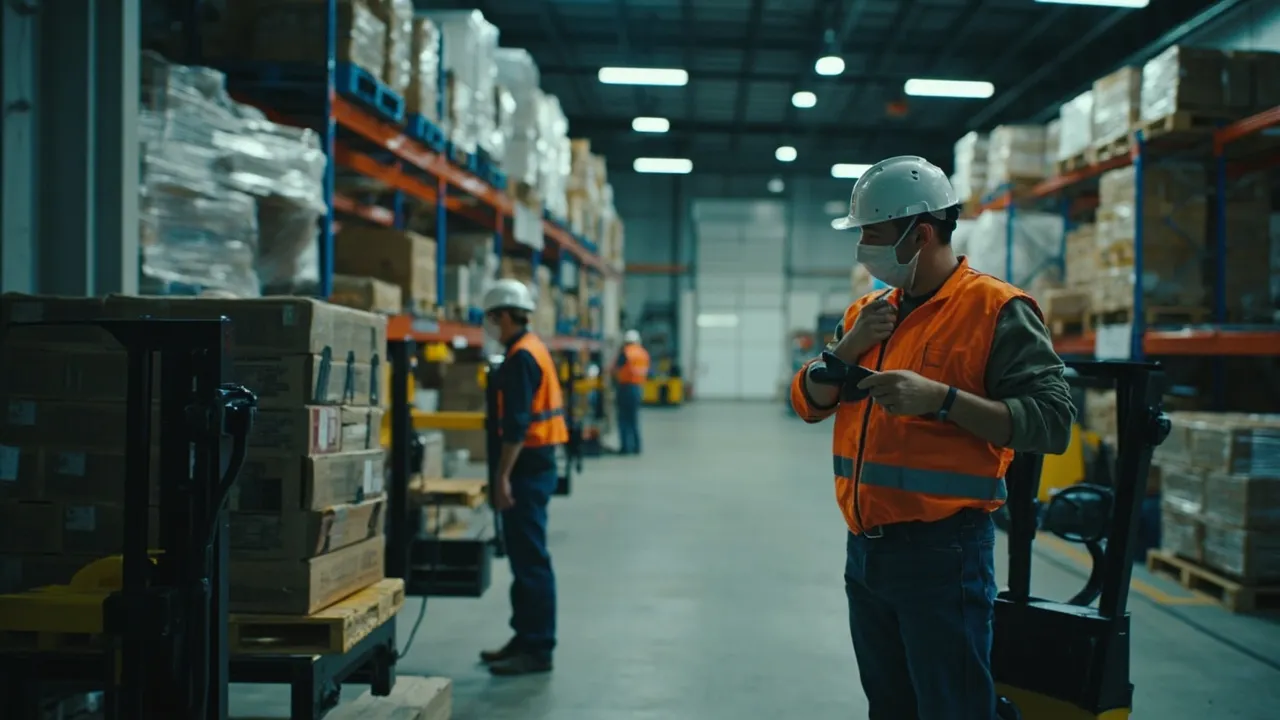
Industrial Ergonomics Just Moved Up the Supply Chain Agenda, and EASE 101 Explains Why
The EASE 101 release lands at a moment when logistics leaders are juggling heavier workloads, scarce labor, and faster automation investment, making ergonomics a performance decision, not just a safety one.
CXTMS InsightsApril 22, 2026 · 6 min read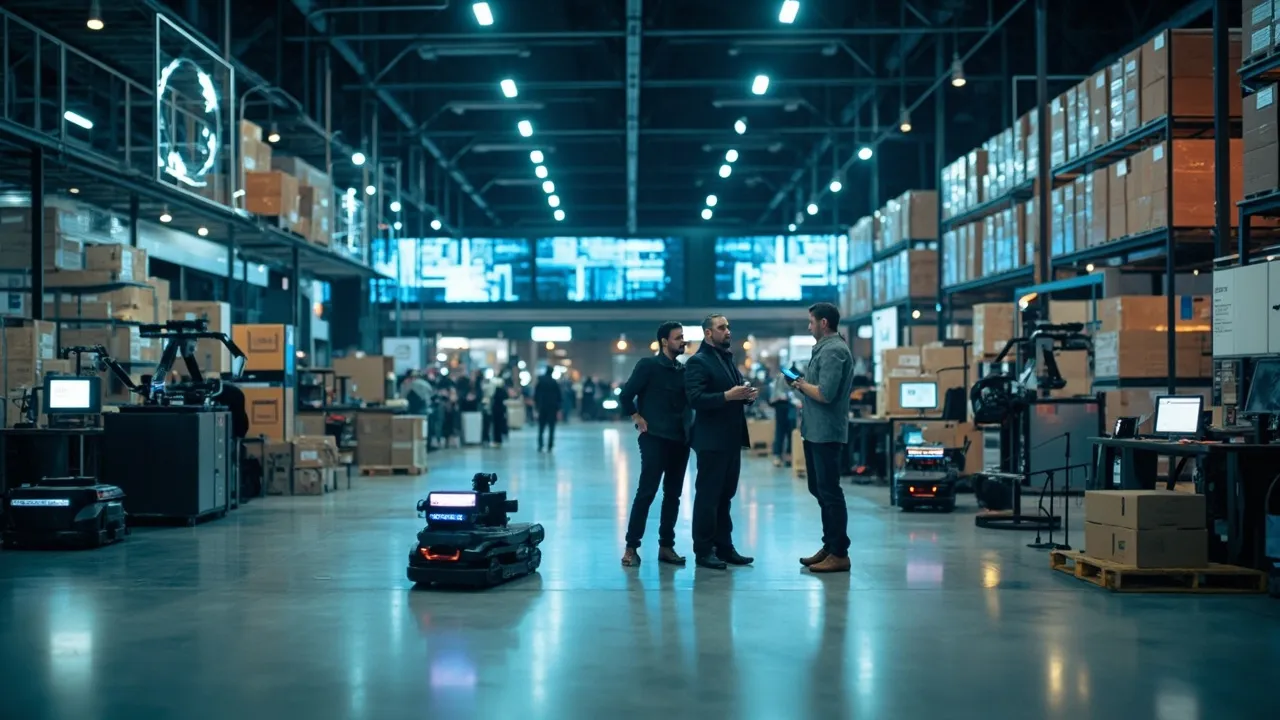
MODEX 2026 Drew 50,000 Visitors. The Real Story Is Which Warehouse Bets Are Getting Serious Money.
MODEX 2026 was not just a big trade show. Record attendance, a larger exhibitor base, and fresh MHI-Deloitte data show where warehouse and supply chain investment is concentrating in 2026: AI, practical automation, ergonomics, packaging, and orchestration.
CXTMS InsightsApril 22, 2026 · 6 min read
Ocean Freight Contracts Need Better Data, Not Just Tougher Negotiation Tactics
Ocean freight procurement in 2026 is being reshaped by volatility, surcharge risk, and lane-level performance data, pushing shippers to rebuild contracts around reliability and landed-cost visibility instead of headline rate alone.
CXTMS InsightsApril 22, 2026 · 7 min read
U.S.-Bound Imports Have Fallen for Seven Straight Months. That’s a Demand Signal, Not a Blip.
U.S.-bound containerized imports fell to 2.46 million TEU in March 2026, the seventh straight year-over-year decline, signaling softer replenishment demand, cautious inventory behavior, and continued landed-cost pressure.
CXTMS InsightsApril 22, 2026 · 6 min read
The U.S.-Philippines Industrial Hub Plan Could Become a New Template for Allied Supply Chain Regionalization
The proposed U.S.-Philippines economic security zone in Luzon signals how allied governments may build regional manufacturing, minerals processing, and logistics capacity closer to strategic demand while reducing single-country concentration risk.
CXTMS InsightsApril 22, 2026 · 6 min read
USPS Package Dimension Reporting Rules Are the Next Parcel Data Compliance Headache for Shippers
USPS is expanding package dimension reporting requirements in July 2026, turning parcel measurement accuracy, manifest quality, and cartonization discipline into urgent compliance issues for shippers and 3PLs.
CXTMS InsightsApril 22, 2026 · 7 min read