Insights
Industry insights, integration guides, and product updates from the CXTMS team.

Under Armour’s 25% SKU Cut Is a Supply Chain Simplification Play, Not Just Merchandising
Under Armour's 25% SKU reduction shows why assortment simplification is becoming a supply chain strategy for inventory quality, warehouse flow, and transportation control.
 CXTMS InsightsMay 23, 20267 min read
FMCSA’s $217M Grant Package Signals a New Era of Connected Roadside Enforcement
FMCSA’s $217 million 2026 grant package shows roadside enforcement is becoming more connected, data-driven, and relevant to carrier governance.
CXTMS InsightsMay 22, 2026 · 7 min read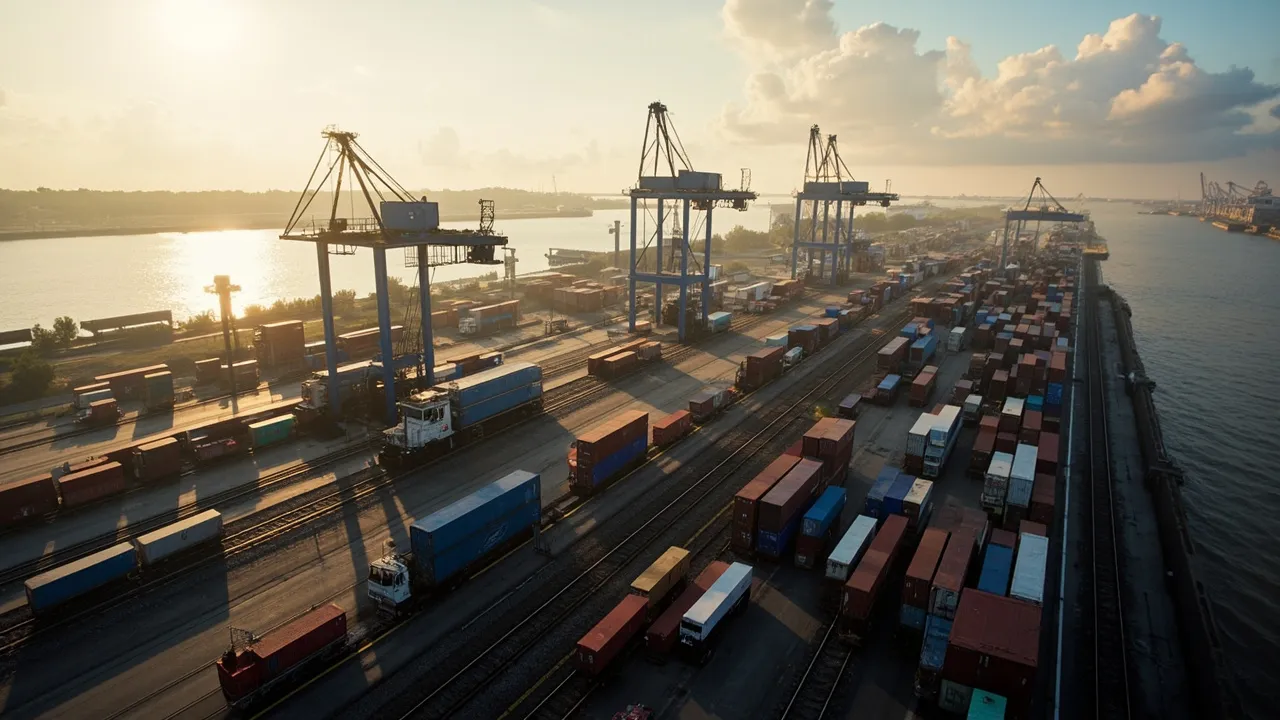
Georgia Ports’ 14% April Drop Shows Why Inland Port Strategy Matters When Demand Softens
Savannah’s April TEU decline does not weaken the case for inland ports. It clarifies why rail-connected capacity matters when freight demand softens and rebounds unevenly.
CXTMS InsightsMay 22, 2026 · 7 min read
GM’s Renewable Energy Milestone Turns Plant Power Into a Supply Chain Planning Signal
GM’s U.S. renewable electricity milestone shows why energy sourcing now belongs inside supply chain planning, supplier selection, and emissions-aware freight decisions.
CXTMS InsightsMay 22, 2026 · 6 min read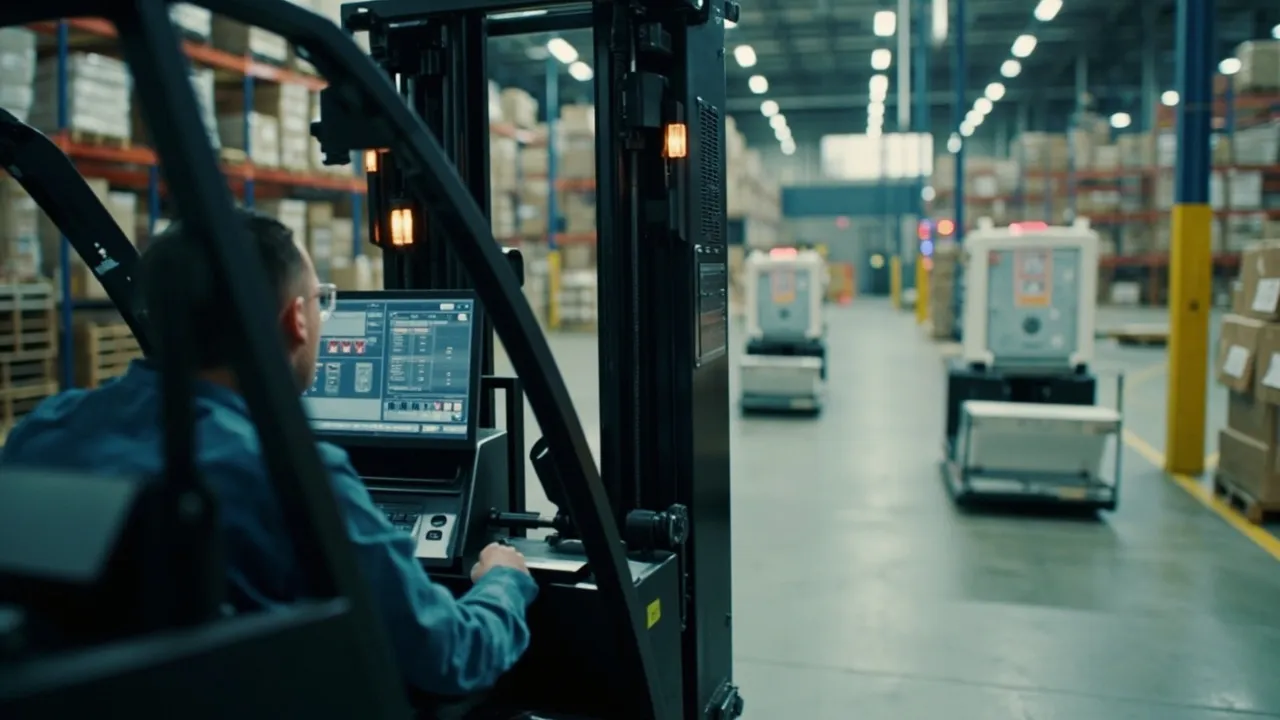
Integrated Lift-Truck Screens Are Quietly Solving the Warehouse Automation Adoption Problem
Autonomous lift trucks are getting better, but adoption still depends on operator workflow. Integrated screens are turning warehouse automation from a hardware project into a usable daily process.
CXTMS InsightsMay 22, 2026 · 6 min read
Safer Truck Stops Are Becoming a Driver Retention Strategy, Not Just an Amenity Issue
Truck stop safety is becoming a measurable carrier-management issue as women drivers report harassment, parking gaps, and facility access problems that affect retention and service reliability.
CXTMS InsightsMay 22, 2026 · 7 min read
The Shippers Conditions Index Just Hit -18.9. Freight Teams Need a Fuel-Sensitive Budget Trigger.
FTR's Shippers Conditions Index fell to -18.9 in March as fuel, capacity utilization, and freight rates turned against shippers. Here's how logistics teams should turn that signal into budget triggers and surcharge workflows.
CXTMS InsightsMay 22, 2026 · 6 min read
Tariff-Optimized Supply Chains Are Moving From Workaround to Operating Model
Tariff pressure is pushing logistics teams beyond temporary rerouting toward operating models that connect origin strategy, mode selection, customs data, and shipment execution.
CXTMS InsightsMay 22, 2026 · 6 min read
Fuel Is Still Driving Spot Truckload Rates Even When Volumes Soften
April truckload data shows fuel costs can keep spot rates elevated even when van and reefer volumes soften, forcing freight teams to separate demand signals from cost signals.
CXTMS InsightsMay 21, 2026 · 6 min read
Crude Inventories Just Dropped by 17.8 Million Barrels. Freight Planners Should Watch Export Pull, Not Just Pump Prices.
A record U.S. crude inventory draw shows why freight teams need to monitor export demand, petroleum stocks, and downstream energy costs before they hit transportation budgets.
CXTMS InsightsMay 21, 2026 · 6 min read