Insights
Industry insights, integration guides, and product updates from the CXTMS team.

Arctic Maritime Pact: Build a Route-Readiness Gate Before Asia–Europe Shipping Moves North
The proposed U.S.–Japan–South Korea Arctic memorandum adds geopolitical weight to northern routing, but shippers still need a route-readiness gate before committing Asia–Europe cargo to the ice.
 CXTMS InsightsSeptember 22, 20267 min read

FAA Clears 35 More Boeing 777 Freighters: Recalculate the Air-Cargo Capacity Bridge
The FAA's emissions waiver permits 35 additional Boeing 777 freighters, but approved production is not immediate capacity. Build a realistic air-cargo capacity bridge.
CXTMS InsightsSeptember 22, 2026 · 6 min read
Canadian Carrier Labor Charges: Add Foreign-Worker Compliance to Cross-Border Qualification
Charges against a small Canadian carrier show why shippers should add foreign-worker recruitment, pay, authorization, and grievance evidence to cross-border carrier qualification.
CXTMS InsightsSeptember 22, 2026 · 6 min read
Chinese Automakers’ U.S. Foothold Debate Is Really a Supplier-Network Visibility Test
Learn how part-level supplier visibility helps automotive logistics teams prepare for changing U.S. rules on Chinese ownership, components, and connected-vehicle technology.
CXTMS InsightsSeptember 22, 2026 · 6 min read
Driverless Trucks Meet Weigh Stations: Put Inspection Clearance Into the Dispatch Record
Autonomous trucks need inspection clearance that dispatchers, enforcement systems, and remote support teams can verify before departure and throughout a route.
CXTMS InsightsSeptember 22, 2026 · 6 min read
Food Safety Metrics Beyond Recall Counts: Build a Disease-Burden-to-Lot Traceability Loop
Recall counts reveal regulatory activity, not the full burden of foodborne illness. A disease-burden-to-lot loop turns health signals into targeted, auditable supply chain action.
CXTMS InsightsSeptember 22, 2026 · 6 min read
India’s Russian Oil Cutback Risk: Rebuild the November Crude Nomination Plan
A practical November crude nomination playbook for Indian refiners facing Russian oil sanctions risk, longer replacement voyages, and uncertain landed margins.
CXTMS InsightsSeptember 22, 2026 · 6 min read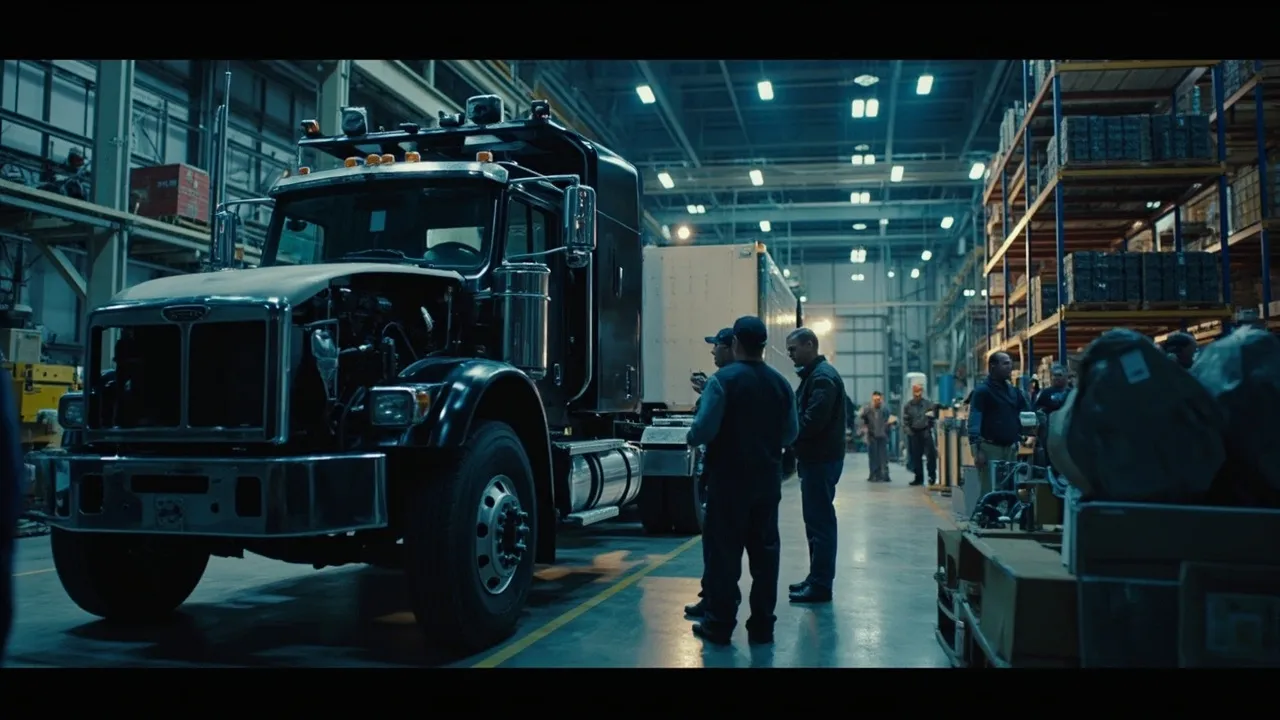
International Motors' New Procurement Chief: Turn Supplier Strategy Into a Truck-Production Constraint Map
A truck-production constraint map connects International Motors' supplier strategy to parts, tooling, inbound capacity, and executable factory schedules.
CXTMS InsightsSeptember 22, 2026 · 6 min read
Montgomery Makes Human Freight Brokers More Valuable—If Their Judgment Is Auditable
The Montgomery ruling raises freight broker exposure, making documented human judgment—not unchecked automation—the center of defensible carrier selection.
CXTMS InsightsSeptember 22, 2026 · 6 min read
STB Keeps the Union Pacific–Norfolk Southern Merger Alive: Build a Shipper Competition Baseline Now
The STB has kept the proposed Union Pacific–Norfolk Southern merger under review. Shippers should preserve a lane-level competition baseline before rates, service, and routing options change.
CXTMS InsightsSeptember 22, 2026 · 6 min read